
9070 XT vs 4070 Ti Super is the defining AMD-versus-Nvidia battle of the upper mid-range in 2026. Both GPUs ship with 16GB of VRAM, both target maxed-out 1440p and entry 4K gaming, and both frequently sit within $100 of each other on Amazon. Yet they take very different paths to get there: RDNA 4 with FSR 4 on one side, Ada Lovelace with Nvidia’s mature DLSS ecosystem on the other. This comparison lays out the measured performance numbers, ray tracing deltas, upscaling quality, power figures, and — because it matters more than ever this year — how current market pricing should influence which card you actually order.
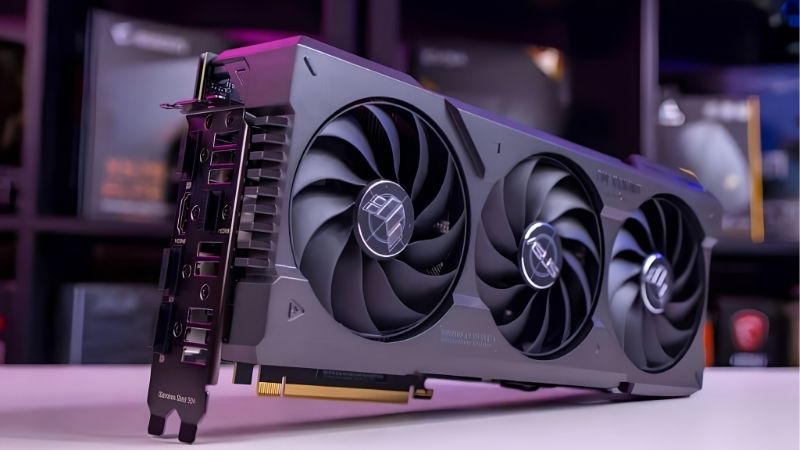
Quick answer: Our top pick in 2026 is the Specification — our #1 rated choice. See the full ranked comparison, alternatives and buying advice below.
The Quick Verdict: 9070 XT vs 4070 Ti Super in 30 Seconds
Short on time? Here is the executive summary. The Radeon RX 9070 XT wins on raw rasterization value, typically delivering 5–10% higher average frame rates at 1440p while launching $200 cheaper at $599 versus $799. The RTX 4070 Ti Super counters with stronger heavy ray tracing performance, the larger DLSS game library, and better encoder support for streamers. If you mostly play rasterized or lightly ray-traced games, the 9070 XT is the better buy; if path tracing and Nvidia’s software stack matter to you, the 4070 Ti Super justifies its premium. Either way, check live Amazon pricing first — the spread between these two cards changes weekly.
Where the RX 9070 XT Takes the Lead
The RX 9070 XT is built on AMD’s RDNA 4 architecture with 64 compute units (4,096 stream processors), 16GB of GDDR6 on a 256-bit bus, and a 304W board power. At its $599 MSRP, the cost-per-frame math is decisively in AMD’s favor: aggregated 1440p testing shows it matching or beating the 4070 Ti Super in most rasterized titles.
RDNA 4 also dramatically improved AMD’s ray tracing throughput over the previous generation — light and medium RT workloads now run within striking distance of Nvidia. For the majority of gamers who toggle RT on selectively, that closes what used to be Nvidia’s biggest argument.
Where the RTX 4070 Ti Super Fights Back
The RTX 4070 Ti Super carries 8,448 CUDA cores, 16GB of GDDR6X at 672GB/s, and a lower 285W TGP. In path-traced showcases like Cyberpunk 2077 Overdrive or Alan Wake 2 with full RT, it pulls ahead by 15–25%, and DLSS upscaling still holds a slight image-quality and adoption edge over FSR in older titles.
Streamers and creators should also note the dual AV1 encoders and the broader CUDA software ecosystem. If your GPU earns money as well as plays games, those practical advantages are worth real dollars.
Driver maturity is the other quiet factor. AMD shipped multiple performance-focused driver branches for RDNA 4 through 2025 and into 2026, and several titles gained measurable double-digit improvements post-launch. Nvidia’s Ada drivers are mature and stable but in maintenance mode, since engineering focus has shifted to Blackwell. Translated for buyers: the 9070 XT you benchmark today is likely a touch slower than the one you will own in a year, while the 4070 Ti Super is already at its ceiling.
Specs Comparison Table
Here are the core quantitative differences side by side, so the rest of the analysis has a factual anchor.
| Specification | RX 9070 XT | RTX 4070 Ti Super |
|---|---|---|
| Architecture | RDNA 4 (Navi 48) | Ada Lovelace (AD103) |
| Cores | 4,096 stream processors | 8,448 CUDA cores |
| VRAM | 16GB GDDR6 | 16GB GDDR6X |
| Memory Bus / Bandwidth | 256-bit / ~645 GB/s | 256-bit / 672 GB/s |
| Board Power | 304W | 285W |
| Upscaling | FSR 4 (AI-based) | DLSS 3.5 + Frame Gen |
| Launch MSRP | $599 | $799 |
| Best Use Case | Raster value, 1440p/4K | Heavy RT, creator work |
Deep Dive Face-Off: Performance, Features, and Efficiency
With the headline verdict out of the way, this section pressure-tests both GPUs across the three criteria buyers care about most: real game benchmarks, the FSR 4 versus DLSS software war, and power, thermals, and case compatibility in everyday builds.
1440p and 4K Benchmark Reality
Across a 15-game aggregate at 1440p ultra settings, the RX 9070 XT averages roughly 5–10% higher frame rates than the 4070 Ti Super in pure rasterization, with both cards comfortably above 100 fps in most AAA titles. At 4K, the gap narrows to low single digits, and both deliver playable 60+ fps experiences with upscaling enabled.
Flip on heavy ray tracing and the order reverses: the 4070 Ti Super leads by double digits in path-traced workloads. In moderate RT titles — the far more common case — the two cards are close enough that the 9070 XT’s $200 lower MSRP becomes the deciding variable.
Minimum frame times (1% lows) are healthy on both cards thanks to the 16GB buffers, which is exactly why this matchup beats any 12GB alternative for buyers planning to keep the card past 2028.
VRAM behavior under load is identical on paper — 16GB each — but allocation patterns differ slightly: GDDR6X on the Nvidia card runs hotter and benefits from active backplate airflow in compact cases, a practical detail several partner-card reviews flag. Neither card hits a memory wall in current titles at 4K, which is exactly why this tier outsells 12GB cards among buyers planning a four-year ownership window.
FSR 4 vs DLSS: The Software Battle
FSR 4 is AMD’s first fully AI-trained upscaler, and image-quality testing puts it dramatically closer to DLSS than FSR 3 ever was — in many scenes the two are hard to tell apart at Quality mode. The catch is adoption: FSR 4’s supported library is growing fast but still trails the hundreds of titles with mature DLSS integration.
Nvidia’s frame generation also remains slightly more robust in latency handling via Reflex. For experimentation-minded users, both ecosystems now ship driver-level upgrade paths that let newer upscaler models override older game integrations, so each card improves with software updates over time.
Power, Thermals, and Build Compatibility
The 4070 Ti Super’s 285W TGP versus 304W on the 9070 XT translates to slightly lower heat output, though partner-card cooler quality matters more than the 19W delta. Practically, plan a quality 750W PSU for either card.
One real-world note: most 9070 XT models use conventional 8-pin PCIe connectors, which older PSUs already have, while many 4070 Ti Super cards use the 16-pin connector and may need an adapter. If you are upgrading a 2020-era build, that detail alone can save you a cable headache.
2026 Price Watch: H200 Exports and Rising Component Costs
Two pieces of market news directly affect what you will pay in this matchup. First, the United States has approved Nvidia selling its H200 — one of its most powerful AI chips — to China. Second, laptop and PC component prices continue trending upward across the industry. Here is the quantitative read on why both stories matter to a 9070 XT or 4070 Ti Super buyer right now.
The H200 Effect on GPU Supply
The H200 approval opens an enormous new demand channel for Nvidia’s advanced silicon and high-bandwidth memory. Foundry wafers and memory fab output are zero-sum resources: every production slot allocated to AI accelerators is one not producing consumer GPU dies or GDDR chips.
Historically, surges in AI demand have correlated with consumer GPU street prices drifting 5–15% above MSRP within one or two quarters. Nvidia cards like the 4070 Ti Super are the most directly exposed, but memory price pressure hits AMD’s supply chain too.
Component Prices Are Climbing — and GPUs Follow
DRAM and NAND contract prices have risen for consecutive quarters, and laptop makers have already raised retail prices in response. Discrete graphics cards share the same memory suppliers, substrates, and logistics costs, so the pressure flows downstream to GPU shelf prices with a short lag.
Concretely: a 9070 XT near $599 or a 4070 Ti Super near $750–$800 today is likely to look like a good deal in hindsight by late 2026. The downside scenario — prices falling meaningfully — has no visible catalyst this year.
It is also worth quantifying what “drifting above MSRP” means in dollars. A 7% increase on a $599 card is about $42; on a $799 card it is roughly $56. Those are not catastrophic numbers, but they are larger than the price gap that often separates a good partner model from a budget one — meaning the cost of waiting can literally equal a free cooler upgrade you could have had today.
The Practical Takeaway for Buyers
If your upgrade is planned for this year anyway, buying earlier carries measurably less price risk than waiting. Set a target price, watch Amazon listings for a week, and pull the trigger when either card hits your number rather than holding out for a discount era that current supply dynamics do not support.
This is not urgency theater — it is the same calculus system integrators are using when they lock in GPU inventory ahead of expected increases. Check the current prices of both cards on Amazon and anchor your decision to today’s real numbers.
Final Verdict: Pros, Cons, and a Smart Alternative
Both GPUs are excellent in 2026, which makes the final call a matter of matching strengths to your actual workload. Below is the honest pros-and-cons ledger, a third option if neither price works, and the buyer-profile recommendation this comparison has been building toward.
Pros and Cons Breakdown
RX 9070 XT — Pros: best raster performance per dollar in its class; 16GB VRAM; FSR 4 closes the upscaling gap; standard 8-pin power; $599 MSRP. Cons: trails in heavy path tracing; FSR 4 game support still expanding; weaker professional/CUDA ecosystem.
RTX 4070 Ti Super — Pros: superior heavy ray tracing; mature DLSS library and Reflex; efficient 285W draw; strong encoders for streaming. Cons: $200 higher MSRP for similar raster output; Ada is end-of-line, so long-term feature updates favor newer architectures.
The Alternative: RTX 5070 Splits the Difference
If the 4070 Ti Super feels overpriced and you still want Nvidia’s stack, the RTX 5070 at $549 MSRP brings DLSS 4 Multi Frame Generation and Blackwell efficiency, trading down to 12GB of VRAM. For pure 1440p players inside the Nvidia ecosystem, it is the rational budget escape hatch.
Just go in clear-eyed about the 12GB buffer: fine today at 1440p, tighter for 4K longevity. If maximum VRAM per dollar is the goal, the 9070 XT remains the value king of this entire bracket.
Who Should Buy Which
Choose the RX 9070 XT if you want the most rasterized frames per dollar, play at 1440p or 4K, and use ray tracing selectively — it is this comparison’s value winner. Choose the RTX 4070 Ti Super if path tracing, streaming encoders, or CUDA workloads are part of your weekly routine and the premium fits your budget.
Whichever side you land on, both are 16GB cards built to last four-plus years — the only real mistake is overpaying, so compare today’s Amazon listings before you commit.
See More:
Conclusion
The 9070 xt vs 4070 ti super matchup comes down to value versus ecosystem: AMD’s RX 9070 XT delivers more raw performance per dollar with 16GB of VRAM and a vastly improved FSR 4, while Nvidia’s RTX 4070 Ti Super retains the crown in heavy ray tracing and creator workflows. With H200 exports redirecting silicon toward AI and component prices still rising, neither card is likely to get cheaper soon — so decide based on your workload, then act on it. Click through to check the latest 9070 XT and 4070 Ti Super prices on Amazon and lock in the better deal while it lasts.
Top-Rated Picks

Save $4.00

Save $3.50

Dropped $0.02

| Product | Brand | Rating | Reviews | Price |
|---|---|---|---|---|
| ARCTIC MX-4 (4 g) – Premium Performance Thermal Paste… | ARCTIC | ★ 4.8 | 104k | $4.99 |
| ARCTIC MX-4 (incl. Spatula, 4 g) – Premium Performanc… | ARCTIC | ★ 4.8 | 71.9k | $5.49 |
| Crucial 8GB DDR4 RAM 3200MHz (PC4-25600), Downclockab… | Crucial | ★ 4.8 | 62.8k | $74.99 |
| AMD Ryzen 5 5600X 6-core, 12-thread unlocked desktop … | — | ★ 4.8 | 30.2k | $177.60 |
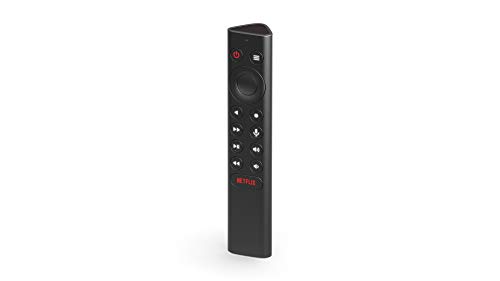
| NVIDIA Shield Remote; Voice Search, Motion-Activated,… | — | ★ 4.7 | 10.6k | $25.99 |
Frequently Asked Questions
Which is faster in normal rasterised games?
They trade blows and land close overall, with the outcome varying by title and driver version. At 1440p both deliver high refresh performance at high settings in essentially every modern game, so raster performance alone is unlikely to be the deciding factor between them for most buyers.
How do they compare in ray tracing?
Nvidia retains an advantage, particularly in the heaviest path traced implementations where its RT hardware and denoising are stronger. AMD has closed much of the gap in lighter ray traced titles with its newer architecture, so if ray tracing is occasional rather than central, the difference matters less than it once did.
Do they have the same video memory?
Yes, both carry sixteen gigabytes on a 256-bit bus, which is a healthy allocation for 1440p and workable at 4K. That parity removes the memory argument that often decides these comparisons and pushes the decision toward features, price and power consumption instead.
How does FSR compare to DLSS now?
The gap has narrowed substantially with AMD’s machine learning based upscaler, which is a large improvement over earlier versions. DLSS still holds an edge in stability and fine detail in many titles, and enjoys broader game support, so factor in whether the specific games you play implement each technology.
What power supply does each need?
The AMD card sits around three hundred watts of board power and the Nvidia card around two hundred and eighty five, so a quality 750 to 850 watt unit suits either. Both benefit from a modern supply with proper transient handling, and the Nvidia card wants a native 12V-2×6 cable.
Ready to decide? Our #1 pick for 2026 is the Specification.
Live price & availability on Amazon.








Write Your Review
No reviews yet. Be the first to share your experience!