
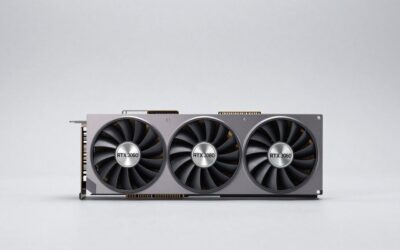
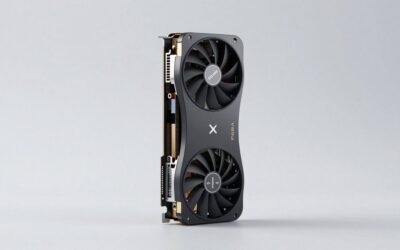
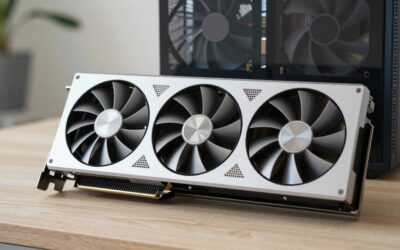
- Top Pick: ZOTAC Gaming GeForce RTX 4070 Ti Super Solid OC DLSS 3 16GB GDDR6X 256-bit 21 Gbps PCIE 4.0 Gaming Graphics Card, IceStorm 2.0 Advanced Cooling, ZT-D40730RC-10P
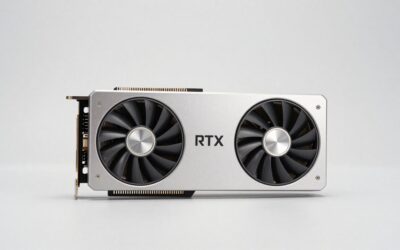
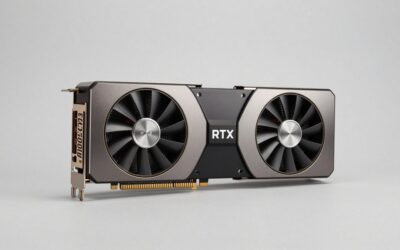
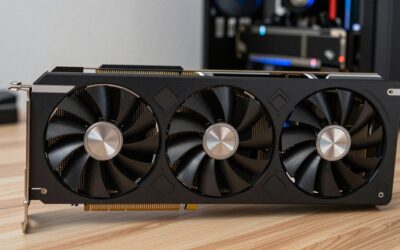
- Best Value: MSI GeForce RTX 4070 Ti Super 16G Ventus 2X OC Gaming Graphics Card – 16 GB GDDR6X (21Gbps / 256 Bits), PCIe 4.0-2 x TORX 4.0 Fans – HDMI 2.1a, DisplayPort 1.4a
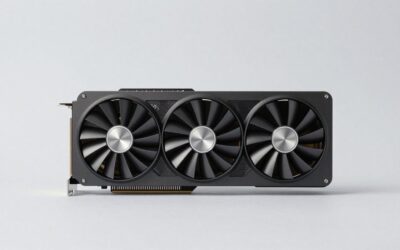
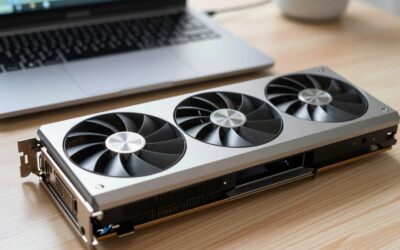
- Premium Choice: GIGABYTE GeForce RTX 4070 Ti Super Eagle OC 16G Graphics Card, 3X WINDFORCE Fans, 16GB 256-bit GDDR6X, GV-N407TSEAGLE OC-16GD Video Card
Top Rtx 4070 Super Graphics Cards Picks for 2026
Here are our current top rtx 4070 super graphics cards picks, compared on real Amazon owner reviews, price, and features. Live prices update below.


The RTX 4070 Ti Super was Ada’s quiet overachiever, pairing 16GB of VRAM with near-4080 performance. In 2026 it occupies an interesting clearance niche for buyers who want premium 1440p and entry 4K muscle without Blackwell pricing.
As an Amazon Associate we earn from qualifying purchases at no extra cost to you.


Recommended Products

PNY
PNY GeForce RTX™ 4060 8GB XLR8 Gaming Verto™ Dual Fan OC Graphics Card DLSS 3 (128-bit, PCIe 4.0, GDDR6, HDMI/DisplayPort, Supports 4k, 2 Slot)

ASUS
ASUS ROG Strix GeForce RTX 4080 Super OC Edition Gaming Graphics Card (PCIe 4.0, 16GB GDDR6X, DLSS 3, HDMI 2.1a, DisplayPort 1.4a, Vapor Chamber, Massive Vented Backplate, Power Sensing, Aura Sync)

GIGABYTE
GIGABYTE AORUS GeForce RTX 4080 Super Master 16G Graphics Card, 3X WINDFORCE Fans, 16GB 256-bit GDDR6X, GV-N408SAORUS M-16GD Video Card
As an Amazon Associate we earn from qualifying purchases. Product prices and availability are accurate as of the date/time indicated.
A 16GB Card With Staying Power
What separated the 4070 Ti Super from the rest of the Ada mid-cycle refresh was its memory configuration: 16GB on a 256-bit bus, matching the 4080’s capacity. In 2026 that decision looks prophetic. The card shrugs off texture budgets that strain 12GB rivals, keeps ray tracing buffers comfortable at 1440p ultrawide, and remains genuinely usable at 4K with DLSS. Performance lands close enough to the 4080 that most owners never notice the gap. For buyers who skipped Blackwell, this card represents the most future-resistant configuration Ada produced short of the 4090 itself, and clearance pricing only sweetens the argument.

Where It Sits Against Blackwell
The natural cross-shop is the RTX 5070 Ti, which brings GDDR7 bandwidth, newer ray tracing hardware, and DLSS 4 multi frame generation at similar capacity. Head to head in raw rasterization, the gap is smaller than generational marketing suggests, and the 4070 Ti Super still receives DLSS upscaler improvements through Nvidia’s app. The honest framing: at equal money, take the 5070 Ti. At a substantial clearance discount, the older card delivers nearly the same 1440p experience and identical VRAM headroom. Buyers should run that comparison against live street prices rather than assuming newer automatically wins the value equation.
Partner Versions and Used-Market Notes
ASUS TUF and ProArt, MSI Gaming X Slim and Ventus 3X, and Gigabyte Gaming OC variants formed the heart of this lineup, all with coolers comfortably oversized for the card’s power class. That overbuilt cooling makes used examples attractive, since thermals rarely degraded even under heavy duty. When shopping secondhand, confirm the 16-pin power connector shows no discoloration, ask for proof of purchase to assess remaining warranty, and prefer cards from gaming rather than rendering-farm service. ProArt models deserve special mention for compact, understated styling that fits workstation aesthetics, often selling at no premium despite the nicer industrial design.

The Verdict for 2026 Buyers
This card suits two profiles perfectly. First, the 1440p enthusiast who wants maximum settings today and a comfortable VRAM cushion for the next several years without paying current-generation premiums. Second, the budget creator whose rendering and editing workloads benefit from 16GB but whose wallet rejects 5080-class pricing. If either describes you and a discounted unit appears, it is an easy recommendation. Skip it only if multi frame generation matters deeply to your favorite titles or if clearance prices have drifted so close to the 5070 Ti that the newer architecture costs almost nothing extra.

Related guides on our site: Best RTX 4070 Super Graphics Cards in 2026: Top Mid-Range Picks · Best RTX 4090 Graphics Cards in 2026: Ultimate Powerhouses · Best RTX 5060 Graphics Cards in 2026: Next-Gen Budget Gaming · Best RTX 5070 Graphics Cards in 2026: Sweet Spot Performance · Best RTX 5070 Ti Graphics Cards in 2026: Top Tier Gaming GPUs.
Frequently Asked Questions
Is the RTX 4070 Ti Super good for 4K?
Yes, with DLSS enabled it handles 4K respectably in most titles, and its 16GB of VRAM means texture budgets are never the problem. Demanding path-traced games will require Performance-mode upscaling.
How does it differ from the original 4070 Ti?
The Super revision added more cores, moved from 12GB to 16GB of VRAM, and widened the memory bus to 256-bit, meaningfully improving 4K capability and long-term headroom over the original.
Should I buy a 4070 Ti Super or RTX 5070 Ti in 2026?
At similar prices, the 5070 Ti wins with newer features and bandwidth. If the 4070 Ti Super is steeply discounted on clearance, it remains an excellent value with identical 16GB capacity.

Write Your Review
No reviews yet. Be the first to share your experience!