
- Top Pick: NVIDIA Shield Android TV Pro | 4K HDR Streaming Media Player High Performance, Dolby Vision, 3GB RAM, 2X USB, Works with Alexa, Model:945-12897-2500-101
- Best Value: Apple 2021 Apple TV 4K 32GB – Black (2nd generation) (Renewed)
- Premium Choice: TiVo Stream 4K – Every Streaming App and Live TV on One Screen – 4K UHD, Dolby Vision HDR and Dolby Atmos Sound – Powered by Android TV – Plug-In Smart TV, One size
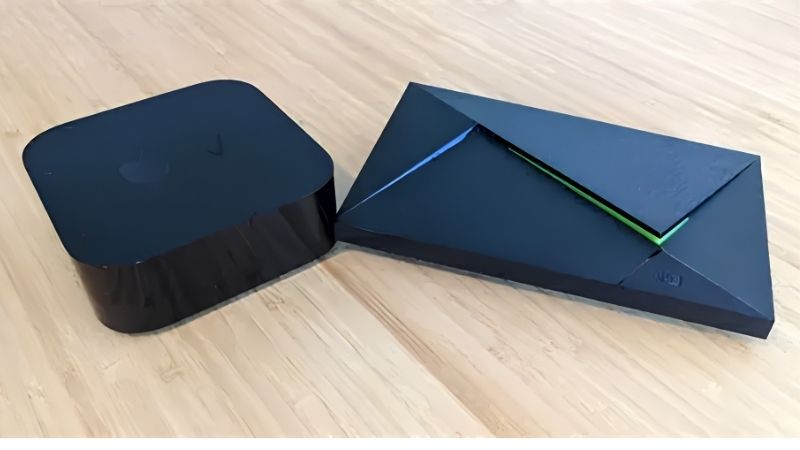
Shield Pro vs Apple TV 4K is the classic streaming-box showdown for anyone building a serious home-theater setup, and the two devices win in genuinely different ways: one leans on AI upscaling, cloud gaming, and open flexibility, the other on a polished interface, tight ecosystem integration, and raw speed. This comparison gives you the fast verdict first, a full specification table, a criteria-by-criteria face-off, a cheaper alternative if neither fits, and a clear “who should buy which,” so you can pick the right streamer instead of second-guessing it.
Shield Pro vs Apple TV 4K: The Quick Verdict and Specs
Both boxes deliver excellent 4K HDR streaming, so the decision rarely comes down to picture quality on mainstream apps. Instead it hinges on features, ecosystem, and how you actually use the device. Before the detailed breakdown, here is the short answer and the core numbers.
The 30-Second Verdict
If you want AI upscaling of lower-resolution content, cloud gaming through GeForce NOW, Plex media serving, and the flexibility of Android TV, the NVIDIA Shield TV Pro is the pick. If you want the fastest, most polished interface, deep Apple ecosystem integration, and the newest hardware, the Apple TV 4K wins.
For a media enthusiast with a large local library or a cloud-gaming interest, the Shield Pro’s toolkit is unmatched. For an Apple household that values speed, AirPlay, and app polish, the Apple TV 4K is the more natural fit.
It helps to be honest about what has changed since each launched. The Apple TV 4K has seen more recent hardware updates, while the Shield Pro, though still highly capable, is an older design that leans on its feature set rather than raw newness. If having the latest silicon matters to you, that gap belongs in the decision alongside the feature comparison.
Full Specification Comparison Table
The core differences below explain most of the behavior discussed later in this comparison.
| Specification | Shield TV Pro | Apple TV 4K |
|---|---|---|
| Platform | Android TV | tvOS |
| Standout feature | AI upscaling + GeForce NOW | Fast UI + Apple ecosystem |
| HDR formats | Dolby Vision, HDR10 | Dolby Vision, HDR10+ |
| Audio | Dolby Atmos | Dolby Atmos |
| Storage / expansion | USB expandable | Fixed internal |
| Approx price | $199 | $129 |
On paper the Apple TV 4K is the cheaper, more modern box, while the Shield Pro counters with expandability and features aimed squarely at enthusiasts. Neither dominates outright, which is why the face-off matters.
It is also worth reading the table with your own habits in mind. A viewer who mostly streams from a handful of mainstream apps will barely notice the differences, while an enthusiast who juggles local media, cloud gaming, and mixed sources will feel them daily. The spec that matters is the one that maps to how you actually use a streaming box, not the longest column overall.
Ecosystem and Price — What You Actually Get
The roughly $70 gap usually reflects what each device is built for. The Apple TV 4K undercuts the Shield on price while offering the latest silicon, whereas the Shield Pro charges more for its upscaling engine, USB expansion, and cloud-gaming credentials.
Ecosystem is the quieter deciding factor. An Apple household gains AirPlay, HomeKit control, and seamless integration, while an Android or mixed-device home benefits from the Shield’s openness and broad app compatibility. Your existing devices often tip the balance more than the spec sheet does.
Think about the whole household, too. A shared living-room device benefits from broad app support and a familiar remote everyone can use, whereas a personal setup optimized around one ecosystem can lean into deeper integration. Matching the box to the people using it, not just the TV it plugs into, is the quiet key to being happy with the choice long term.
Shield Pro vs Apple TV 4K: Deep-Dive Face-Off
Rather than reviewing each box in isolation, the most useful approach is to pit them directly against each other across the criteria that decide a purchase: streaming quality, apps and gaming, and everyday use. Each section names a winner so the trade-offs stay concrete.
Streaming Quality, 4K HDR, and Upscaling
On mainstream 4K HDR apps, both devices look superb and support Dolby Vision and Dolby Atmos, so most viewers will not see a meaningful gap in native content. This is the baseline where the two are effectively tied.
The Shield Pro pulls ahead on upscaling. Its AI engine sharpens lower-resolution and HD content toward 4K noticeably better than standard scaling, which is a real benefit if you watch a lot of older shows or non-4K sources. Winner on upscaling and enthusiast picture control: the Shield Pro, while native 4K playback is a tie.
The practical value of that upscaling depends on your library. If most of what you watch is already native 4K from modern streaming services, the advantage is modest. If you regularly watch older shows, HD sources, or lower-bitrate content, the Shield’s processing genuinely improves the picture in a way you will notice from the couch, which is a real point in its favor for mixed viewers.
Apps, Gaming, and Ecosystem Integration
Both platforms cover the major streaming apps well, but they diverge sharply on gaming. The Shield Pro offers GeForce NOW cloud gaming and Android game support, turning the box into a light gaming device, while the Apple TV leans on Apple Arcade within its own ecosystem.
Integration is where Apple answers back. AirPlay, tight iPhone and HomeKit links, and access to Apple services make the Apple TV 4K the smoother choice inside an Apple home. Winner on cloud and flexible gaming: the Shield Pro; winner on ecosystem integration: the Apple TV 4K.
How much this matters depends on whether you game at all on a streaming box. For a pure movie-and-TV household, the gaming difference is close to irrelevant and the ecosystem integration carries more weight. For someone curious about cloud gaming without buying a console or a gaming PC, the Shield’s GeForce NOW support turns the box into something the Apple TV simply is not.
Remote, Interface, and Everyday Use
Day to day, the Apple TV 4K feels the faster, more responsive box, with a clean interface and a well-regarded Siri remote that many users prefer. Its newer hardware shows in snappy navigation and quick app launches.
The Shield Pro’s interface is capable and highly customizable, though its hardware is older and can feel less immediate by comparison. It rewards users who like to tinker and configure, where Apple rewards those who want polish out of the box. Winner on speed and simplicity: the Apple TV 4K; winner on customization: the Shield Pro.
Everyday responsiveness is easy to underrate until you live with it. A box that launches apps instantly and navigates without hesitation makes casual viewing more pleasant, which is where the newer Apple hardware shows its age advantage. The Shield answers with settings, side-loading, and control that power users value, so the winner here truly depends on whether you prefer polish or flexibility.
Choosing Between the Shield Pro and Apple TV 4K
With the face-off settled by criteria, the final decision comes down to which strengths match your home, whether a cheaper alternative would serve you just as well, and a clear recommendation for each type of buyer. This section closes those loops.
Pros and Cons of Each at a Glance
The summary below captures the strengths and weaknesses that matter most for this matchup.
| Shield TV Pro | Apple TV 4K | |
|---|---|---|
| Strengths | AI upscaling, GeForce NOW, USB expansion, Plex | Fast UI, Apple ecosystem, newer hardware, price |
| Weaknesses | Older hardware, higher price | Best value only inside Apple ecosystem, fixed storage |
| Best for | Media enthusiasts and cloud gamers | Apple households wanting speed and polish |
Neither list is a knockout. The right column depends on whether you value enthusiast features and flexibility or speed and seamless integration.
The Alternative: If Neither Fits
If the Shield Pro feels too expensive and you are not in the Apple ecosystem, a mid-range streamer like the Google TV Streamer is a strong value alternative. It delivers 4K HDR, Dolby Vision, and a modern Google TV interface at a lower price than either headline device.
It will not match the Shield’s upscaling or cloud gaming, nor Apple’s ecosystem polish, but for a straightforward 4K streaming box it covers the essentials for less. Compare its current price against both headline options before deciding, since the gap can make it the sensible pick for many living rooms.
Treat the alternative as a genuine option rather than a consolation prize. For a secondary TV, a guest room, or a budget-conscious main setup, a modern mid-range streamer covers the essentials of 4K HDR viewing at a lower price. If neither headline device’s standout features apply to how you watch, paying less for the same core experience is the rational move.
Who Should Buy Which
Buy the Shield TV Pro if you have a large local media library, want AI upscaling for non-4K content, are interested in GeForce NOW cloud gaming, or prefer the openness of Android TV. It is the enthusiast’s streaming box.
Buy the Apple TV 4K if you live in the Apple ecosystem, want the fastest and most polished interface, value AirPlay and HomeKit, and prefer the newest hardware at a lower price. For most Apple households, it is the easy recommendation.
If you sit between the two profiles, let your biggest single use case break the tie. A large local media collection or cloud-gaming interest points firmly to the Shield Pro, while daily use inside an iPhone-and-HomeKit home points to the Apple TV 4K. Both will serve you well for years, so the goal is fit rather than a universal winner.
As a simple rule of thumb, count how many of each device’s standout features you would actually use. If the Shield’s upscaling, cloud gaming, and expandability line up with your habits, pay the premium; if they do not, the faster, cheaper Apple TV 4K is the smarter spend for most living rooms.
See More:
- NVIDIA
- NVIDIA DeepStream
- NVIDIA GPU driver update
- NVIDIA GeForce NOW download
- NVIDIA RTX A2000 12GB driver
Final Verdict: Shield Pro vs Apple TV 4K
The Shield Pro vs Apple TV 4K decision ultimately rewards clarity about your home and habits. Choose the NVIDIA Shield TV Pro for upscaling, cloud gaming, media serving, and the flexibility of Android TV; choose the Apple TV 4K for speed, ecosystem integration, and the newest hardware at a friendlier price. There is no single winner because they optimize for different things: the Shield is the enthusiast tool that does the most, while the Apple TV is the refined box that does the essentials fastest. Think about what you actually watch, whether you game, and which ecosystem you already live in, and the right answer usually becomes obvious. Both are excellent 4K streamers that will serve you for years, so once you have matched the box to your setup, check current pricing and availability and pick the one that fits — it is a device you will reach for every single day.
Frequently Asked Questions
Which box has better video upscaling?
The Shield TV Pro still holds the edge for upscaling older SD and 720p content thanks to its dedicated AI upscaling engine running on the Tegra X1+. Apple TV 4K produces a cleaner, less processed image with native 4K sources, so the answer depends on whether your library is legacy or modern.
Can either device run a Plex server?
The Shield Pro can act as a Plex Media Server, using its USB 3.0 ports for attached storage, which is a feature Apple TV cannot match at all. Apple TV runs the Plex client only. If you want a single always-on box that both serves and plays, the Shield is the answer.
Do both support Dolby Vision and Dolby Atmos?
Yes. Both output Dolby Vision HDR and pass through or decode Dolby Atmos, including TrueHD and DTS-HD bitstreaming on the Shield for local files. Apple TV handles Atmos beautifully from streaming apps but is weaker with high bitrate local audio formats that need passthrough.
Is the Shield Pro still receiving software updates?
NVIDIA has kept issuing Android TV experience updates and security patches years past launch, which is unusually long for the category, though new feature work has slowed considerably. GameStream was retired in 2023, so PC streaming now runs through Moonlight and Sunshine instead.
Which is better for gaming?
Apple TV 4K plays Apple Arcade titles smoothly on its A15 chip and supports PlayStation and Xbox controllers. The Shield supports GeForce NOW cloud gaming natively plus Moonlight streaming from a local PC, which gives it a much stronger story for real PC game libraries.
As an Amazon Associate we earn from qualifying purchases at no extra cost to you.

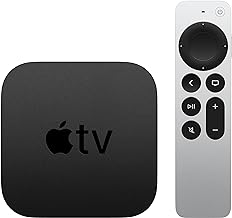


Ready to decide? Our #1 pick for 2026 is the Platform.
Live price & availability on Amazon.



Write Your Review
No reviews yet. Be the first to share your experience!