
Nvidia GPU shortage headlines resurface every time a popular card sells out, leaving buyers wondering whether they are facing a genuine supply crisis or just temporary stock gaps. The reality in 2026 is somewhere in between: cards are generally available, but memory costs and enormous AI demand keep supply tighter and prices firmer than gamers would like. This analysis explains the real state of Nvidia GPU supply, why it is squeezed, when relief is realistically coming, and exactly what smart buyers should do about it right now.
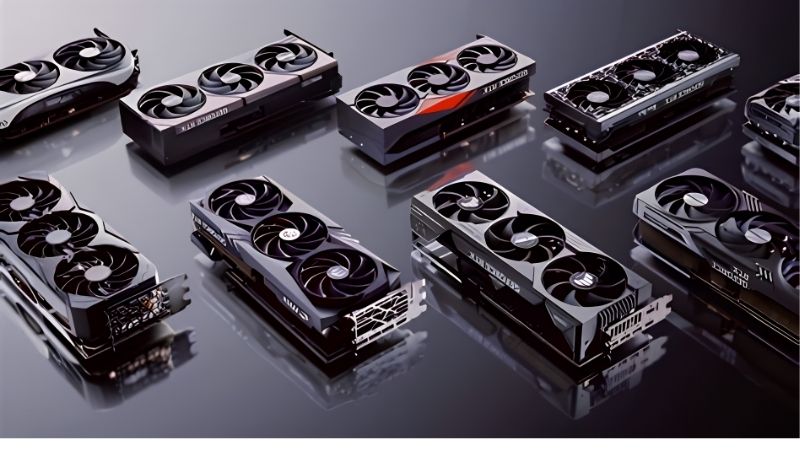
Is There Really an Nvidia GPU Shortage?
The word “shortage” gets used loosely, so it is worth separating a true inability to buy a card from a market where cards exist but cost more than expected. Understanding which situation you are actually in changes how you should shop, because the right response to genuine scarcity is very different from the right response to simply firm pricing, and 2026 leans much more toward the latter.
The Current State of Supply
For most mainstream Nvidia cards, the honest picture is availability with pressure rather than an empty-shelves crisis. You can generally find the card you want, but pricing sits above where gamers hoped, and popular models can sell through quickly at launch or during promotions.
This is a meaningful distinction from a true shortage, where cards are simply unobtainable at any reasonable price. Today’s situation is better described as a tight, expensive market than a barren one.
That framing matters because it means patience is rewarded less than smart shopping. If cards are available but firm on price, the winning move is finding fair deals, not waiting for stock to magically appear.
This is genuinely reassuring for anxious buyers who remember the true shortages of past years, when scalpers and empty shelves made buying a card feel impossible. The 2026 market simply does not resemble that period; the friction now is price and the occasional sell-out of a popular model, both of which reward a prepared shopper rather than punishing everyone equally.
So if the word shortage conjures dread from a harsher era, take some comfort: the practical experience of buying a card in 2026 is far calmer, and a little preparation on price and model choice is usually enough to get you exactly what you want.
What’s Behind the Squeeze
The biggest force keeping supply tight and prices high is the cost of memory. Component prices have been trending upward, driven largely by rising memory costs, and GPUs, which carry large amounts of fast memory, feel that pressure directly.
When memory is both expensive and in demand, board makers face higher costs and constrained supply of a key ingredient, which limits how aggressively they can flood the market with cheap cards. The result looks and feels like scarcity even when cards are technically available.
Recognizing memory as the root cause helps you set expectations: this is a component-market problem, not a simple manufacturing hiccup, and it will not resolve on a short timeline.
The distinction matters for how you plan. A manufacturing hiccup might clear in weeks, tempting you to wait it out, but a structural component-cost issue behaves differently, holding prices firm for an extended stretch. Knowing the cause is structural tells you that waiting is unlikely to pay off quickly, which should shape your buying timeline accordingly.
How It Affects Prices
The clearest symptom of the squeeze is pricing that has stayed firm rather than falling. Prices did stop their steep climb since late 2025, and some makers, including Framework, have noted a stretch of relative stability, which is a welcome sign.
Still, stability is not the same as affordability, and those same makers warn the market could swing again. So while the panic phase has cooled, buyers should not expect the kind of price relief that only comes with genuine oversupply.
For a shopper, the message is that the shortage narrative mostly shows up as elevated prices, so your real battle is value, not availability, in the current market.
Why Supply Is Tight (and When It Eases)
To judge whether to buy now or wait, you need a realistic sense of why supply is constrained and how long that is likely to last. The pressures here are structural rather than temporary, tied to where memory and manufacturing capacity are being directed, which is why the timeline for genuine relief stretches further out than most buyers assume.
AI Demand and Production Priorities
A major reason consumer supply feels tight is the enormous demand for GPUs from AI and data-center customers. When manufacturers can sell high-value chips into a booming AI market, consumer gaming cards compete for the same production capacity and components.
This does not mean gamers are shut out, but it does mean there is little pressure to overproduce cheap consumer cards, which keeps supply disciplined and prices firm. The AI boom effectively sets a high floor under the whole market.
For buyers, the implication is that as long as AI demand stays strong, do not expect a flood of discounted gaming GPUs, because the economics simply do not push in that direction.
There is a silver lining hidden in this dynamic, though. The same AI boom funds enormous investment in manufacturing and memory capacity, which is precisely what the upcoming CXMT and Micron facilities represent. So while AI demand keeps prices firm today, it is also helping build the future capacity that should eventually ease supply, just on a multi-year horizon rather than an immediate one.
The Memory Bottleneck
Underneath everything sits the memory bottleneck. The supply of the fast memory GPUs need has been constrained, and expanding it is a slow, capital-intensive process rather than a quick fix.
Help is genuinely on the way: OEMs can now source DDR5 from Chinese suppliers such as CXMT, and Micron is building two new plants in Idaho, which should ease the crunch over time. These are real capacity additions, not rumors.
The problem is timing, because those facilities are not expected to come online until roughly 2027-2028, so the bottleneck that is squeezing supply today remains in place for a while yet.
Realistic Timeline for Relief
Putting the pieces together, meaningful, lasting relief is a 2027-2028 story rather than a 2026 one. The plateau in prices is encouraging, but it reflects a pause in the increases, not the arrival of new supply.
Between now and then, expect a market that stays broadly available but firm, with occasional stock gaps on popular models and prices that could still wobble either way. Planning around that reality beats waiting for a fix that is years out.
The honest conclusion is that if you are counting on the shortage to end soon and prices to tumble, the calendar is working against you, so base your decision on today’s conditions instead.
Planning around this timeline is liberating rather than discouraging once you accept it. Instead of refreshing stock pages and price trackers hoping for a sudden break, you can shop deliberately, set a fair target price, and buy with confidence knowing you are not missing an imminent crash. The certainty that relief is distant actually makes a today decision easier to justify.
It also frees you to enjoy the card you buy without second-guessing. When you know a dramatic price collapse is not lurking around the corner, the nagging worry of buyer’s remorse fades, and you can focus on actually using your GPU rather than obsessively tracking a market that is unlikely to reward the vigilance anyway.
What Smart Buyers Should Do Now
Understanding the market is only useful if it changes what you actually do, so this section turns the analysis into concrete action. The goal is to help you secure the card you need at a fair price without falling into the two common traps: panic-buying at inflated prices or waiting endlessly for relief that is not coming soon.
Buy Now or Wait?
The case for buying now: cards are generally available, prices are stable rather than climbing, and the big supply-driven relief is years away, so today’s fair price may be as good as you will see for a while.
The case for waiting: if you genuinely do not need a card, you can watch for sales and a possible new generation, accepting that prices could just as easily rise as fall in the meantime.
For most buyers who actually need a GPU, the balance tips toward buying a fairly priced card now, because the downside of waiting, going without and facing an uncertain market, outweighs the slim chance of a near-term discount.
How to Find Cards at Fair Prices
The most effective tactic is to set a target price for the specific card you want and buy when it hits that number, rather than reacting to hype or fear. Knowing your fair price in advance keeps you disciplined.
Watch for retailer sales and bundle deals, which are where real savings appear in a flat market, and use price alerts so you are notified the moment your card reaches your target. This turns the tight market into a game you can win with patience and preparation.
When a card you want appears at a fair price, act promptly, since popular models can sell through quickly. Use the links on this page to check current listings and lock in a good deal before stock shifts again.
See More:
Alternatives if Your Card Is Sold Out
If your first-choice card is unavailable or overpriced, flexibility pays off. A card one tier down or a strong competitor often delivers most of the performance for less, so widening your shortlist can solve a stock problem instantly.
Previous-generation cards and reputable used units are also worth considering, as they can offer excellent value when new stock is tight, provided you accept the trade-offs of an older card or no warranty.
The broad lesson is that a shortage narrative loses much of its power once you are willing to consider more than one specific model, because the overall market has plenty of capable options at various prices.
So is there a true Nvidia GPU shortage in 2026? Not really: cards are generally available, but memory costs and AI demand keep supply tight and prices firm, and the genuine relief tied to new memory plants is a 2027-2028 event rather than an imminent one.
The smart response to the Nvidia GPU shortage talk is to shop for value rather than wait for a rescue: set a fair target price, watch for deals, stay flexible on models, and buy when the right card appears at the right number.
Frequently Asked Questions
Is there really an Nvidia GPU shortage?
Supply is tight rather than absent. Cards are available but frequently above reference pricing, with the flagship models hardest to find at sensible prices. The causes are structural: AI demand absorbing foundry and packaging capacity, memory supply pressure, and Nvidia prioritising higher-margin data centre products over consumer allocation.
Which cards are worst affected?
The RTX 5090 is the most constrained, because it uses a large die and 32GB of GDDR7, and because AI enthusiasts compete with gamers for it. The 5080 sits above reference pricing more often than not. Mid-range and entry cards such as the 5060 Ti and 5050 are generally available closer to their intended prices.
Why does memory supply matter so much?
GDDR7 and high-bandwidth memory for AI accelerators come from the same small group of manufacturers with finite capacity. When contract pricing rises or allocation shifts toward data centre products, board partners pay more per card and pass it on. Memory cost is one of the biggest single inputs into a graphics card’s bill of materials.
Should I buy now or wait for supply to improve?
If your current card is genuinely limiting you, buy at a fair price when you find one. The underlying drivers of tightness are not resolving quickly, and waiting has historically cost enthusiasts more than it saved. If you can wait comfortably, set price alerts and buy opportunistically rather than targeting a specific date.
Is the used market a sensible alternative?
Yes, with care. Used RTX 40-series cards offer strong value, though you forgo DLSS 4 multi frame generation. Inspect power connectors for discolouration or melting, ask for a stress test screenshot with temperatures, confirm whether the warranty transfers, and use a payment method with buyer protection rather than a direct transfer.
As an Amazon Associate we earn from qualifying purchases at no extra cost to you.




Write Your Review
No reviews yet. Be the first to share your experience!