
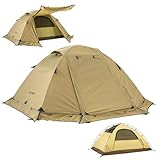
- Top Pick: BISINNA 4 Season Tent for Backpacking Lightweight Winter Tents 2 Person | Cold Weather Tents Waterproof Double Layer All Season Tent Aluminum Alloy Poles Easy Set Up for Camping, Hiking, Outdoor
- Best Value: BISINNA 4 Season Tent for Backpacking Lightweight Winter Tents 2 Person | Cold Weather Tents Waterproof Double Layer All Season Tent Aluminum Alloy Poles Easy Set Up for Camping, Hiking, Outdoor
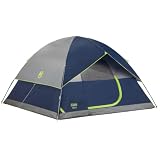
- Premium Choice: Coleman Sundome Camping Tent with Rainfly, 2/3/4/6 Person Tent Sets Up in 10 Mins, Weatherproof Shelter for Camping, Festivals, Backyard, Sleepovers, & More
For cold-weather camping, a four-season or true winter tent with strong poles, snow-shedding walls and a full-coverage fly is the safest choice, while a sturdy three-season tent only suits mild shoulder-season nights. Match the tent to your worst expected conditions, not the average.
As an Amazon Associate we earn from qualifying purchases at no extra cost to you.


Three-season, convertible or four-season
Three-season tents focus on ventilation and low weight, and they usually use lots of mesh. That is good in summer but lets in drafts and spindrift in cold weather. Four-season tents trade weight for stronger pole structures, fabric walls and the ability to handle snow loads and wind. Convertible tents sit in between, with panels or vents that you can open or close.
| Tent type | Best for | Strengths | Limits |
|---|---|---|---|
| Three-season | Autumn and mild spring nights | Light, well ventilated | Weak in heavy snow and high winds |
| Convertible or extended-season | Cold but not extreme trips | Flexible venting, moderate weight | May not match a full winter tent in storms |
| Four-season | Snow, wind and winter trips | Strong poles, solid fabric, storm-ready | Heavier, less ventilation, condensation |
| Hot-tent or tipi style | Base camps with a stove | Space for a wood stove, roomy | Needs a stove-safe design and care |
Tent families reviewers name
Model names and fabric specifications change between years, so the maker pages should be the final authority on current versions and measured weights.
- Hilleberg Nallo, Nammatj and Allak: Swedish designs known among winter campers for strong tunnel structures and four-season ratings. They sit at the premium tier, and the maker lists packed weight and floor area for each size.
- MSR Access and Remote series: MSR lists the Access line as a four-season tent for ski and winter use, with a focus on low weight, and it is popular among backcountry skiers.
- Black Diamond Eldorado, Fitzroy and related models: a mountain brand that offers single-wall and double-wall shelters for cold-weather use.
- Mountain Hardwear Trango and related: expedition-style tents built for harsher conditions, positioned at a premium.
- NEMO Kunai and similar four-season models: a mid-weight option reviewers mention for winter mountaineering.
- REI Co-op Arete ASL and similar: store-brand four-season tents often chosen by buyers who want a lower-cost entry.
If a model is discontinued or replaced in your region, the maker or retailer listings will say so, and a previous generation can still be a sound choice when specifications match.
What to look for
Pole structure
Look for aluminium poles with more crossings, which helps shed snow and resist gusts. Maker specification tables list pole material and diameter.
Fabric and fly
A fly that reaches the ground keeps wind and snow out. Some tents add snow flaps or valances. Mesh-heavy inner tents let cold air in.
Ventilation
Condensation is a real problem in cold tents, because breath freezes onto walls. Look for adjustable vents that can stay open in snow.
Vestibule space
A good vestibule stores boots and packs and gives you space to cook in bad weather, but only where the maker allows. Cooking in a closed tent risks carbon monoxide poisoning and fire, so follow the manual and ventilate.
Weight and packed size
Winter tents weigh more than summer tents. If you ski or walk in, weigh the difference in carry weight against storm performance. For car camping, weight matters less.
Capacity
Most winter campers size up, because bulky clothing and gear take space. A two-person tent often suits one person plus kit.
Pick X if
| Pick this | If |
|---|---|
| Hilleberg tunnel tent | You expect strong wind and snow and want a premium four-season shelter |
| MSR Access class | You travel on skis and want lower weight with winter capability |
| Black Diamond or Mountain Hardwear | You climb or camp at altitude and need expedition-grade durability |
| Store-brand four-season tent | You want a lower tier winter option for occasional snow trips |
| Convertible three-to-four-season | You camp from autumn to early winter and want versatility |
Budget tiers
Budget: extended-season or convertible tents and store-brand four-season options. They suit mild cold and occasional snow.
Mid-range: established four-season tents from outdoor brands, with stronger poles and better fly designs.
Premium: storm-proven designs from specialists such as Hilleberg, with rugged fabrics and long service life.
Setting up for cold nights
- Choose a sheltered site, away from avalanche slopes and falling branches.
- Stamp and level snow pitches, and let them set before you pitch.
- Use snow anchors, deadman stakes or buried stuff sacks, as the tent maker advises.
- Keep vents open to reduce condensation, even when it is cold.
- Brush snow off the walls during heavy fall.
- Keep a shovel inside the tent in case of drifts.
A warm sleep system matters as much as the tent. Use an insulated pad with a good R-value and a sleeping bag rated for the lowest expected temperature. Cold exposure can be dangerous, so carry emergency gear and tell someone your plan.
Common mistakes
- Using a mesh-heavy tent in winter.
- Skipping the ground insulation under the sleeping bag.
- Cooking inside a sealed tent without proper ventilation.
- Choosing the smallest size, then having no room for gear.
- Ignoring the weather forecast and wind direction when pitching.
Alternatives
For stable camps, a canvas wall tent or a hot tent with a stove jack is a comfortable option, but follow the maker’s stove and fire-safety guidance exactly. A snow shelter such as a quinzee or snow cave is another traditional approach, but it needs training. Rental or guided trips are a reasonable way to try winter camping before you buy.
Frequently Asked Questions
Can I use a three-season tent in winter?
You can in mild conditions with little snow, but heavy snow and wind are risky. A four-season tent has stronger poles and fabric for those conditions.
How do I reduce condensation inside a cold tent?
Keep vents open, avoid cooking inside and shake frost off before packing. Some condensation is normal in freezing weather.
Is a bigger tent warmer?
Not really, since there is more air to heat. A snug tent holds body warmth better, but you still need room for gear.
Do I need a footprint?
Many makers sell footprints to protect the floor. On snow, a footprint can help keep the floor dry and clean.
Can I use a heater in my tent?
Only if the tent maker and heater maker both permit it, and never leave a flame or fuel-burning device unattended. Carbon monoxide poisoning and fire are serious risks, so follow the instructions.
What size sleeping pad do I need?
Choose an insulated pad with an R-value suited to winter, and consider stacking a foam pad under an inflatable one. The pad maker lists R-values and temperature guidance.





Write Your Review
No reviews yet. Be the first to share your experience!