
For all-day walking, a leather sneaker or walker with a cushioned, flexible sole, a removable footbed and a roomy toe box, such as the ECCO Soft 7 or Vionic Walker Classic lines, suits most women; dressier travel-friendly options come from Clarks and Naot. The best fit depends on foot shape, arch needs, climate and how far you walk each day.
As an Amazon Associate we earn from qualifying purchases at no extra cost to you.

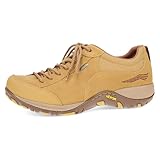
Leather walking shoe options at a glance
| Line | Style | Best for | Limits |
|---|---|---|---|
| ECCO Soft 7 | Leather lifestyle sneaker | Everyday city walking, travel | Fit varies by last; try half sizes |
| Vionic Walker Classic | Leather walking shoe with orthotic-style arch support, as the maker describes | Walkers who want built-in arch support | Support shape is firm; may not suit every foot |
| Clarks leather comfort sneakers and flats | Casual and smart-casual | Office, errands, light travel | Cushioning is lighter than athletic walkers |
| Naot leather shoes and sandals | Contoured cork-latex footbed styles | Wide-ranging comfort, dress-casual | Higher price tier; break-in period |
| Rockport and Cobb Hill leather walkers | Walking-oriented leather shoes | Long days in leather | Check model availability, as lineups rotate |
Lineups and colors rotate each season, so confirm the specific model is still sold by the maker before buying.
How to choose leather walking shoes
Fit and sizing
Fit matters more than brand. Shop in the afternoon when feet are slightly swollen, wear the socks you plan to walk in, and leave roughly a thumb’s width in front of the longest toe. The ball of the foot should sit at the widest part of the shoe without pinching. Many makers offer medium and wide widths, so use them rather than forcing a narrow shoe.
Leather type
Full-grain and top-grain leather are more durable and mold better to the foot than split or bonded leather. Smooth leather cleans easily; nubuck and suede look soft but need protective treatment. Check the maker’s description of upper and lining materials, and whether the lining is leather, textile or synthetic, since that affects breathability.
Cushioning and sole
Walking shoes benefit from a flexible forefoot, a slightly rockered or smooth roll-through and a midsole that absorbs impact. Rubber outsoles with tread grip better on wet pavement, while very hard soles can feel stiff. Removable insoles allow custom orthotics, which is useful if a podiatrist has recommended them.
Arch support and foot conditions
Some lines, including Vionic, describe built-in arch support, and Naot uses a contoured footbed. If you have plantar fasciitis, bunions, diabetes or persistent foot pain, consult a podiatrist or doctor rather than relying on shoe marketing, and follow their advice about support and fit.
Weather and care
Leather breathes better than many synthetics but is not automatically waterproof. If rain matters, look for a maker-stated water-resistant or waterproof treatment and follow the care instructions. Cleaning with a damp cloth and applying leather conditioner periodically helps maintain the upper.
Weight and break-in
Leather needs some break-in. Wear new shoes for short periods at first. Lighter models with foam midsoles feel closer to athletic shoes immediately, while denser leather styles take a few outings to soften.
Picks by scenario
| Pick this if… | Consider | Why |
|---|---|---|
| You want a clean sneaker look for travel | ECCO Soft 7 | Leather upper, lifestyle styling, versatile with casual and smart outfits |
| You need built-in arch support | Vionic Walker Classic | Maker designs it with arch support and a contoured footbed |
| You want a dress-casual walking shoe | Clarks or Naot leather shoes | Office-ready with a comfort focus |
| You use custom orthotics | Any model with a removable insole | Allows swapping in the prescribed insert |
| You spend long days on your feet at a gaming event or expo | A cushioned leather walker with a roll-through sole | Reduces fatigue on concrete floors |
Budget tiers
Budget
Entry leather walkers and store-brand shoes. Check whether the upper is genuine leather and whether the sole has real cushioning. Expect shorter life.
Mid-range
Brands like Clarks, Vionic and Rockport live here, with better fit options, removable footbeds and sturdier construction.
Premium
ECCO and Naot offer higher-grade leather, resoling potential in some designs and refined finishing. They cost more but often last across seasons.
Break-in and care routine
- Wear new shoes indoors for an hour or two before a long walk.
- Use moisture-wicking socks to reduce rubbing.
- Rotate pairs so leather dries between wears.
- Use shoe trees or paper to keep shape.
- Apply leather protector and conditioner according to the maker’s care guide.
- Replace worn outsoles and insoles when cushioning feels flat.
Common mistakes
- Choosing by size number instead of fit, since sizing varies across makers.
- Buying fashion leather shoes with thin soles for long walks.
- Skipping a wide width when the forefoot feels tight.
- Ignoring return policies for fit issues.
- Expecting leather to be waterproof by default.
Matching shoes to how far you walk
For short daily walks and errands, a lighter leather sneaker with a soft footbed is usually enough. For full days of sightseeing or standing at conventions, prioritize a cushioned midsole, a secure heel and a sole that flexes at the ball of the foot. Many walkers keep two pairs and alternate them, which lets the leather dry and the cushioning recover between wears. If a pair causes blisters or numb toes after a trial period, return or exchange it rather than hoping it will loosen.
Alternatives
- Performance walking sneakers with mesh uppers: lighter and more breathable than leather, though less polished.
- Leather-trimmed trail walkers: better grip for uneven ground.
- Supportive sandals: useful in hot weather; follow podiatrist guidance if you have foot conditions.
Frequently Asked Questions
Are leather shoes good for long walks?
Yes, if they have cushioning, a flexible sole and a good fit. Leather breathes better than many synthetics, but it needs a short break-in.
How should walking shoes fit?
There should be about a thumb’s width ahead of the longest toe, no pinching across the ball of the foot and a secure heel. Try them on later in the day with your normal socks.
Can I use orthotics in leather walking shoes?
Many models have removable insoles that can be replaced with custom orthotics. Check the maker’s description and ask your podiatrist about the right depth and support.
Are leather shoes waterproof?
Not unless the maker states so. Leather can be treated or lined for water resistance, but you should follow the care instructions and avoid soaking.
How long do leather walking shoes last?
It depends on use, materials and care. Rotating pairs, conditioning the leather and replacing worn insoles all extend life.
When should I see a doctor about foot pain from walking?
If pain persists, worsens or affects your daily activity, see a podiatrist or doctor. Shoes can help comfort, but they are not a treatment for medical conditions.


Write Your Review
No reviews yet. Be the first to share your experience!