
- Top Pick: STEM Kills Ants, Roaches and Flies: Plant-Based Active Ingredient Bug Spray, Botanical Insecticide for Indoor and Outdoor Use; 12 fl oz (Pack of 1)
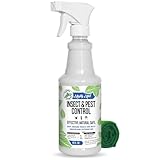
- Best Value: Mighty Mint Peppermint Oil Insect Repellent Spray, 16 oz | Natural Indoor & Outdoor Bug Control for Spiders, Ants, Roaches, Plant-Based, Extra-Strong Formula with Microfiber Cloth
- Premium Choice: VermExon Peppermint Oil Insect & Pest Control Spray – 16oz Natural Plant-Based Bug Killer for Spiders, Ants, Flies, and Other Insects, Safe for Home & Kitchen Use
The safest bet for a household with pets is a plant-oil based indoor spray from a brand such as EcoSmart, Wondercide or Vet’s Best, used only as the label directs, with non-chemical steps such as sealing and cleaning doing most of the work. No bug spray is risk-free, and cats in particular can react to some essential oils, so ask your vet before using anything around an animal with health problems.
As an Amazon Associate we earn from qualifying purchases at no extra cost to you.



At a glance
| Product type | Example brands | Stated active ingredients (per makers) | Best for | Limits |
|---|---|---|---|---|
| Plant-oil household spray | EcoSmart, Wondercide | Rosemary, peppermint, clove, cedarwood and similar oils | Ants, spiders, flies, indoor perimeters | Short residual; essential-oil caution for cats |
| Pet-area spray | Vet’s Best home sprays | Plant-oil blends | Bedding areas, floors, carpets | Not for treating the pet itself unless labelled |
| Food-grade diatomaceous earth | Harris and similar makers | Silica from fossil algae | Dry cracks, ant trails | Dust can irritate lungs; only dry use |
| Bait stations | Child- and pet-resistant ant and roach stations | Slow bait toxicants | Ants and roaches inside hidden spots | Still toxic if swallowed |
| Barrier products | Outdoor lawn and perimeter sprays | Varies by product | Outdoor foundation control | Keep pets off until dry per the label |
Ingredients above are those the makers state on their pages. Formulas are updated, so read the label on the bottle you buy.
What pet safe really means
Pet safe is a marketing claim, not a regulatory guarantee. Some products are exempt from federal pesticide registration in the United States because their ingredients are on a minimum-risk list, which is why many plant-oil sprays do not carry the same registration as a standard insecticide. That does not mean harmless. The ASPCA Animal Poison Control Center and many vets warn that cats lack certain liver enzymes and can be sensitive to concentrated essential oils. Dogs are generally more tolerant but can still drool, vomit or have skin irritation after exposure.
The practical rule: keep pets out of the room while spraying, let surfaces dry or ventilate as the label says, and never spray directly on an animal unless the label specifically covers that use.
Plant-oil sprays
EcoSmart
EcoSmart markets plant-oil insecticide sprays based on ingredients such as rosemary and peppermint oil. Reviewers describe them as quick on contact for ants and spiders but with short residual action, so frequent reapplication is typical.
Wondercide
Wondercide sells cedarwood-oil sprays for indoor and outdoor use, including products labelled for yards and homes. The maker says its formulas are made with plant oils. As with other oil sprays, check the label for cat-specific guidance.
Vet’s Best
Vet’s Best sells flea and tick home sprays built around plant-oil blends. They are aimed at bedding areas and floors, a handy choice when fleas are the target rather than ants.
Dry and bait approaches
Food-grade diatomaceous earth is a mechanical killer that works when it stays dry. Apply a thin layer in cracks and behind appliances where pets will not walk. The dust is irritating to lungs, so wear a mask when applying and keep pets and children away until it settles. Child- and pet-resistant bait stations lock the bait inside a housing, which lowers exposure. They are still poisons, so a pet that chews one needs a call to the vet or poison line.
Pick X if…
| You need… | Pick | Why |
|---|---|---|
| Quick spot treatment for ants or spiders | Plant-oil spray | Fast contact action, low odour compared with chemical aerosols |
| Fleas around bedding and floors | Pet-area home spray | Made for those surfaces |
| Long-term ants in walls | Sealed bait station | Targets the colony with little spray |
| A cat-heavy household | Non-spray steps, then ask the vet | Essential-oil sensitivity |
| Outdoor perimeter | Outdoor-labelled spray, pets kept off until dry | Keeps insects from entering |
Steps that reduce spraying
- Seal gaps around windows, pipes and doors with caulk.
- Wipe sugary spills and store pet food in sealed containers.
- Vacuum often and wash pet bedding on a hot cycle to break flea life cycles.
- Fix leaks and dehumidify damp rooms.
- Use screens on doors and windows.
Common mistakes
- Assuming natural means harmless for every animal.
- Spraying where a pet will lick, such as food bowls and bedding, unless the label allows it.
- Using a dog flea product on a cat. Some dog treatments with permethrin are dangerous for cats.
- Skipping ventilation after a spray.
- Mixing different products without reading how they interact.
When to involve a vet
Contact a vet or a poison hotline if a pet shows drooling, tremors, vomiting, breathing trouble or lethargy after exposure. Keep the product label to share its ingredients. For birds, reptiles, fish and small mammals the risks are different again; aerosols near cages and tanks are a bad idea and a vet who treats exotic animals can advise.
Alternatives
- A pest control company that offers pet-aware treatments and will tell you how long to keep animals out.
- Targeted baits sealed inside walls by a technician.
- Physical traps for flies and spiders, which keep chemicals out of the room.
Reading labels for homes with animals
Look for a statement of ingredients, directions for use around pets, and a re-entry time. Products that list only plant oils may fall under minimum-risk rules, while standard registered insecticides carry an EPA registration number and more detailed precautions. Neither type removes the need for caution. Ask the maker or your vet if the label is unclear about cats, birds or small mammals, and avoid sprays with strong fragrance in small rooms where an animal sleeps.
Outdoor areas
For yards, many makers sell perimeter and lawn sprays with a stated dry time before pets can return. Keep animals off treated grass until it is dry, store water bowls away from the spray zone, and avoid treating near ponds or fish tanks. Reducing standing water, trimming vegetation and keeping bins closed lowers insect numbers without any spray at all.
Frequently Asked Questions
Is there a bug spray that is completely safe for pets?
No spray is completely safe, but some plant-oil formulas are marketed for homes with pets. Follow the label, ventilate, and ask a vet if your animal has health issues.
Are essential oil sprays safe for cats?
Cats can be sensitive to some essential oils, and vets often advise caution. Keep cats out of the room while spraying and check the label.
How long should pets stay away after spraying?
Use the time printed on the label, often until the surface is dry. When no guidance is given, keep pets out and ventilate for a while before letting them return.
Can I use the same spray on my pet?
Only if the label says it is for animals. Household sprays are made for surfaces, and flea products made for dogs can harm cats.
Does diatomaceous earth hurt pets?
It is low in chemical toxicity, but the fine dust can irritate lungs and eyes. Apply a thin layer in places pets cannot reach and keep it dry.
Do natural sprays work as well as chemical ones?
They often kill on contact but do not last as long, so repeat use is typical. For serious infestations a professional treatment may be better.







Write Your Review
No reviews yet. Be the first to share your experience!