
- Top Pick: Mrrihand Outdoor Patio Furniture Covers Waterproof 90"Lx62"Wx28"H Black | All Weather Protection Against Rain, Dust & UV Rays; Fits Dining Table & Chair or Sectional Set, Heavy-duty for Patio & Deck
- Best Value: Waterproof Shade Sail 14' x 14' Rectangle, 220 GSM Heavy Duty Sun Shade Sail, 95% UV Block Patio Cover for Shade and Rain, Outdoor Shade for Patio, Backyard, Pergola, Charcoal, Custom Sizes
- Premium Choice: Clear Tarp with Grommets,8x20ft Clear Tarps Heavy Duty Waterproof | Upgraded Edge Heat Fused Tear Resistant, Patio Fencing,Chicken Coops More, Rain, Cold, (Windproof Rope and Tie-Downs)
The best patio cover for rain is a fitted cover in a waterproof-coated heavy polyester or solution-dyed acrylic, with vents, a tie-down or drawstring and a size that matches your furniture closely, and the main decision is whether you want a ready-made cover from a brand such as Classic Accessories, Duck Covers or Covermates or a custom-cut cover in a premium fabric. Rain protection depends less on the headline claim than on seams, venting, fit and whether water can pool on the top. This guide explains how to read the specifications, compares the common options and lists the mistakes that lead to soggy cushions and mildew.
As an Amazon Associate we earn from qualifying purchases at no extra cost to you.
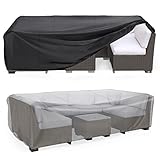


Waterproof, water-resistant and breathable
Makers use these words differently. A waterproof cover uses a coated or laminated fabric and, ideally, taped or heat-sealed seams so water cannot seep through stitching holes. A water-resistant cover sheds light rain but may let water through in a heavy storm. Breathability matters too: a fully sealed cover traps moisture and can encourage mildew on cushions, which is why vents and mesh panels appear on most good designs. Look for the maker’s description of seams and venting rather than a single word.
Fabric weight is often given in denier or grams per square meter. Higher numbers generally point to a thicker fabric, but coatings, UV inhibitors and weave quality affect how long the cover lasts. Compare like with like and treat numbers as clues rather than guarantees.
At a glance
| Option | Best for | Features makers describe | Limit |
|---|---|---|---|
| Classic Accessories Veranda covers | Standard tables, chairs and sofas | Water-resistant or waterproof fabric options, air vents, drawstring or tie-down closures on many models | Fit is generic, so measure carefully |
| Duck Covers (Weekend, Elite and similar lines) | Everyday outdoor sets and grills | Multiple fabric tiers, vents, fastening straps, various sizes | Lower tiers shed rain but can wear faster in strong sun |
| Covermates covers | Mid-range protection with extra sizes | Heavy fabrics, many shapes | Availability of shapes varies by product line |
| Custom covers in Sunbrella or similar acrylic | Long-term outdoor furniture protection | Solution-dyed fabric made to measure with finished seams | Premium tier and lead time for made-to-order |
| Furniture-brand covers (for example, Polywood or Trex Outdoor) | Matching a specific furniture set | Sized to the brand’s own pieces | Often limited to that brand’s furniture |
| Sets of cushion bags | Winter storage of cushions | Zippered storage for cushions | Not for covering the frame |
How to choose
Measure the furniture
Measure length, width and height at the widest points, including arms and backs. A cover that is much larger than the furniture flaps in wind and creates pockets where rain collects. A cover that is too small leaves legs and cushions exposed. Many makers publish size charts by furniture type, such as loveseat, sectional or round table.
Look at the closures
Drawstrings with toggles, buckles at the hem, elastic corners and wind straps keep the cover in place. In windy areas, tie-downs are more important than extra fabric thickness. Some covers also include stitched-in loops so you can anchor them to the furniture legs.
Check venting
Vents let trapped air and moisture escape. Placement near the top with a flap or mesh liner keeps rain out while air moves. Without vents, a sealed cover can balloon in wind and hold humidity inside.
Consider the shape of the top
Flat tabletops can collect rainwater in a sagging cover. Some makers add support poles, inflatable pillows or a pitched design to help water run off. Putting a clean upturned bucket or a cover support in the center of a table is a simple fix many owners use.
Choose by situation
| Situation | Choose | Reason |
|---|---|---|
| Frequent heavy rain, covered year round | Waterproof fabric with sealed seams and vents | Seam leakage and trapped moisture are the main issues |
| Strong sun and rain | UV-stable solution-dyed acrylic or a heavy polyester with UV inhibitors | Sun degrades cheap coatings over time |
| Windy balcony or hillside patio | Fitted cover with buckles and tie-downs | Loose covers lift and tear |
| Round or unusual tables | Round or matched-shape cover | Generic rectangles leave gaps |
| Tight storage needs | Lighter cover plus cushion storage bag | Easier to fold away |
Budget tiers
- Budget: basic polyester covers with a water-resistant coating work for sheltered patios and light rain, but expect seams and fabric to age faster.
- Mid-range: heavier polyester with vents, straps and better stitching, from brands such as Classic Accessories, Duck Covers and Covermates, suits most uncovered patios.
- Premium: custom-cut covers in acrylic like Sunbrella fabric or similar from specialist sellers are meant for long-term outdoor use and a precise fit.
Care and use tips
- Make sure furniture and cushions are dry before covering them, otherwise moisture gets trapped.
- Brush off leaves and dirt, since debris can scratch fabric and hold moisture.
- Wash covers per the maker’s label, usually with mild soap and water, and let them air dry.
- Remove or loosen covers in the sun after rain to let air circulate.
- Store cushions indoors in winter if you can, even when you use covers.
Alternatives to covers
- Cushion storage boxes: deck boxes protect cushions while leaving frames outdoors.
- Pergolas, umbrellas and shade sails: they add overhead protection but may not stop wind-driven rain.
- Storing furniture in a garage or shed: the most reliable approach for the wettest months, space permitting.
- Weather-resistant furniture: resin, powder-coated aluminum or teak needs less protection, though cushions still do.
Common mistakes
- Buying by furniture type without measuring.
- Choosing a waterproof cover with no vents.
- Skipping tie-downs in a windy location.
- Leaving a cover on wet furniture for weeks.
- Letting water pool on the cover without a support or slope.
- Expecting a basic cover to last for many seasons in direct sun.
Frequently Asked Questions
Should a patio cover be waterproof or water-resistant?
For regular heavy rain, a waterproof fabric with sealed seams is the safer choice. Water-resistant covers can work in light showers or under a roof overhang. Always look for venting to let moisture escape.
Why does my cover have mildew inside?
Moisture trapped by a sealed cover or damp cushions is a common cause. Cover only dry furniture and use covers with vents. Clean the affected area according to your furniture maker’s guidance.
How do I keep a cover from blowing off?
Use a cover with buckles or drawstrings, tie it to the furniture legs and pick a size that fits closely. Heavy objects on top are a temporary fix rather than a solution.
How do I stop water pooling on a table cover?
Place a support under the center to create a slight peak, or choose a cover designed with a pitched top. Empty any pooled water promptly so it does not stretch the fabric.
Is a custom cover worth it?
If you own premium furniture, live in a harsh climate or want a snug fit, custom covers in durable fabric are often a good match. For a basic set in a mild climate, a mid-range ready-made cover usually does the job.
How long do patio covers last?
Lifespan depends on fabric, sun exposure and care. Many owners report that lower-tier covers last a few seasons in strong sun, while premium fabrics are designed for longer use. Makers sometimes include warranties, so read the terms.





Write Your Review
No reviews yet. Be the first to share your experience!