
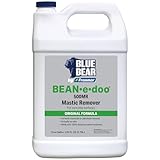
- Top Pick: Blue Bear 500MR: BEAN-e-doo Mastic and Adhesive Remover for Concrete 1 Gal | Professional Soy-Based Formula for Carpet, Tile & Asbestos Mastics, Low-Odor, Non-Toxic, Safe for Schools & Hospitals
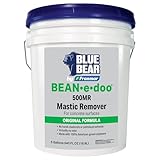
- Best Value: Blue Bear® 500MR Bean•e•doo Mastic Remover –Professional Soy-Based Adhesive Remover for Carpet, Tile & Asbestos Mastics – Low-Odor, Non-Toxic, Safe for Schools & Hospitals – 5 Gallon
- Premium Choice: Blue Bear 500MR: BEAN-e-doo Mastic and Adhesive Remover for Concrete 1 Qt | Professional Soy-Based Formula for Carpet, Tile & Asbestos Mastics, Low-Odor, Non-Toxic, Safe for Schools & Hospitals
For most floor and tile jobs, a citrus or soy-based gel mastic remover is the gentler choice, while a solvent-based stripper suits thick, stubborn black adhesive, and a scraper with heat suits small patches. Mastic is the tar-like or tan glue left behind when old vinyl, carpet or ceramic tile is lifted. Before you buy anything, remember that very old black mastic may contain asbestos, so a home from before the 1980s should be tested by a qualified lab before any sanding, grinding or heavy scraping.
As an Amazon Associate we earn from qualifying purchases at no extra cost to you.


At a glance: mastic remover types
| Type | Example | Best for | Limits |
|---|---|---|---|
| Citrus-based adhesive remover | Goo Gone Pro-Power | Light to moderate residue, sticky leftovers | Slower on thick, cured black mastic |
| Soy or bio-based gel | Franmar-style soy gels | Low-odour jobs indoors, thicker layers with dwell time | Long dwell times, cleanup needed |
| Solvent-based remover | 3M general purpose adhesive remover and similar | Tough synthetic adhesives | Strong fumes, flammability, surface compatibility |
| Water-based stripper for flooring | Motsenbocker’s Lift Off | Floor adhesive removal with fewer fumes | Needs dwell time and rinsing |
Names above are examples of each category. Product formulas change, so read the label and the safety data sheet for the version you actually buy.
Why this is a gamer’s question
A gaming room build often means ripping up old carpet or tile, laying a flat, level floor for a desk and chair, or refinishing a concrete basement. Mastic stands between you and a clean surface. The removal choice affects how smooth the floor ends up and how long the room smells.
Safety first
- Asbestos. Black cutback adhesive and old floor tile in older buildings can contain asbestos. If there is any chance, stop and have it tested. Do not sand, dry-scrape or grind it.
- Ventilation. Open windows and run a fan. Solvent vapours can irritate the eyes and lungs.
- Protection. Wear gloves rated for the chemical and eye protection. Follow the label on respirators.
- Fire. Many solvent removers are flammable. Keep away from pilot lights, heaters and anything that sparks.
- Electronics. Keep PCs, monitors and cables out of the room during removal.
When in doubt, contact a licensed abatement or flooring professional.
Key features to compare
Active base
Citrus (d-limonene), soy, water-based and petroleum solvent formulas each behave differently. Makers of low-odour products stress easier indoor use, while solvent makers stress speed on tough adhesive.
Gel versus liquid
Gels cling to vertical surfaces and stay on the mastic longer, which helps on stairs or walls. Liquids spread quickly on flat floors but can run into seams.
Dwell time
The longer a remover sits, the more the adhesive softens. Label directions vary from minutes to hours or overnight, so plan the job around the product’s stated times.
Surface compatibility
Solvents can mark painted wood, some plastics and finished surfaces. A test spot in a hidden corner is the standard advice on most labels.
Cleanup
Some removers need a neutralising rinse or a wipe with a recommended cleaner before new flooring goes down. Leftover residue can stop new adhesive from bonding.
Budget tiers
| Tier | What to expect | Trade-off |
|---|---|---|
| Budget | General-purpose citrus or solvent cleaners | Fine for thin residue, slow on thick mastic |
| Mid-range | Dedicated flooring adhesive removers in gel or liquid form | Better coverage and clearer directions for floor jobs |
| Premium | Professional-grade strippers and bio-based gels in larger containers | More product than a small room needs |
Pick X if …
| If your job is … | Pick | Why |
|---|---|---|
| Light sticky residue after peel-and-stick tile | Citrus remover | Gentle and widely available |
| Thick cured mastic on concrete in a ventilated space | Solvent or professional stripper | Stronger action on cured adhesive |
| Indoor room you cannot air out well | Soy or water-based gel | Lower odour, though ventilation is still needed |
| Small spots on a finished surface | Citrus remover and plastic scraper | Lower risk of surface damage |
How to use a remover well
- Clear the room and protect baseboards with painter’s tape.
- Scrape off loose, raised mastic with a floor scraper while wearing protective gear. Skip this on suspected asbestos material.
- Apply the remover in a thin even layer and let it sit for the time the label gives.
- Scrape softened adhesive into a pile, then wipe with absorbent rags.
- Clean the floor as the label directs and let it dry before laying new flooring.
Dispose of used rags, which may be flammable, as the product label and local rules direct.
Alternatives to consider
- Heat and scrape. A heat gun softens some adhesives but adds fire and fume risk. Never heat suspected asbestos mastic.
- Mechanical removal. Rented floor scrapers work fast, and a professional should handle anything possibly hazardous.
- Self-levelling underlayment. Some flooring makers allow thin residue to be encapsulated. Check the flooring maker’s instructions and a professional’s advice.
Common mistakes
- Skipping the asbestos question in an older home.
- Cutting dwell time short and then fighting the adhesive.
- Letting residue dry before cleanup, which makes new flooring stick poorly.
- Using a strong solvent on a surface that was never test-spotted.
- Working in a closed room.
Planning the job around the room
Work in sections of a manageable size so that remover never dries before you scrape it. A small gaming room of modest floor area is usually tackled in a few passes, and each pass benefits from fresh scraper blades. Plastic scrapers protect concrete sealers and subfloors, while a metal floor scraper is faster on thick buildup but can gouge softer surfaces. Keep a bucket of clean rags and a bin for waste close at hand so adhesive does not get tracked across the room.
Temperature and humidity matter too. Many labels state a working temperature range, and cold rooms slow softening. After the final wipe, give the floor generous time to dry, then run a hand across it to feel for any tacky patches before laying flooring. Flooring makers often publish the maximum remaining residue they allow, so read the install guide for the product going down.
If the subfloor is wood, avoid soaking it. Water-based strippers and heavy liquids can swell boards and raise seams. On concrete, moisture is less of a concern, but fresh flooring may still need a moisture check as the flooring maker describes.
Frequently Asked Questions
What is mastic, and why is it hard to remove?
Mastic is a thick adhesive used to bond flooring and tile. Over years it cures hard and can bond deeply into concrete or wood, which is why removal takes both a softening product and patient scraping.
Could my old black mastic contain asbestos?
It is possible in buildings from before the 1980s. Have it tested by a qualified lab before disturbing it, and let a licensed professional handle removal if it tests positive.
Is a citrus remover strong enough for mastic?
It is often enough for thin or lightly bonded residue. Thick cured black mastic typically needs a dedicated flooring remover or a longer dwell time.
Can I lay new flooring right after removing mastic?
Only once the surface is clean, dry and free of oily residue. Follow both the remover label and the new flooring maker’s surface preparation instructions.
Is it safe to use mastic remover in a gaming room with a PC?
Move all electronics out first and ventilate the room fully. Vapours from solvents and some residue can affect equipment and people, so wait until the room is dry and aired before bringing gear back.







Write Your Review
No reviews yet. Be the first to share your experience!