
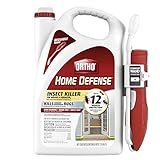
- Top Pick: Ortho Home Defense Insect Killer for Indoor & Perimeter2, Wand, 1.33 gal. | Ready-To-Use Bug Killer with Comfort Wand, Kills Ants, Roaches and Spiders, Use in Kitchens, Bathrooms and Home Perimeter
- Best Value: Ortho Home Defense Insect Killer for Indoor & Perimeter Refill2, 1 gal. | Bug Killer Refill, Kills Ants, Roaches and Spiders, Use in Kitchens, Bathrooms and Home Perimeter
- Premium Choice: Ortho Home Defense Max Indoor Insect Barrier, Wand, 1 gal. | Ready-To-Use Home Bug Killer with Extended Reach Comfort Wand, Kills Ants, Roaches, Spiders, Fleas and Ticks
For most households the best home defense insect killer is a ready-to-use indoor and perimeter spray from a major brand such as Ortho Home Defense or Raid, paired with a bait product such as Terro if the problem is ants. Sprays suit roaches, spiders and crawling insects along baseboards and entry points, while baits suit colonies you cannot reach. Gamers who spend long hours at a desk in the same room tend to notice pests late, so the goal is a layered plan, not a single can.
As an Amazon Associate we earn from qualifying purchases at no extra cost to you.


What “home defense” actually means
The phrase comes from the Ortho Home Defense line, but shoppers use it for any product that creates a protective barrier around a house. In practice that covers three jobs: killing pests you can see, leaving a residual layer that keeps working on treated surfaces for a stated period, and blocking entry points outside the home. Each maker prints the length of protection and the list of pests on the label, and those claims differ by product, so read the label for the specific insect you are fighting.
Reviewers at consumer outlets generally split the field into contact sprays (fast kill, short protection), residual sprays (slower kill, longer protection), and baits or gels (slow, but they reach nests). Knowing which type you need matters more than the brand name.
At a glance: the main product types
| Type | Example brands | Best for | Limits |
|---|---|---|---|
| Indoor and perimeter residual spray | Ortho Home Defense, Raid Max | Roaches, spiders, ants, silverfish along baseboards, door frames, foundation | Needs careful application and drying time; not for food surfaces |
| Fast contact aerosol | Raid Ant and Roach, Black Flag | Insects you see right now | Short protection once the surface is dry |
| Liquid or gel bait | Terro, Combat | Ant colonies, roach nests | Slow; you must not spray competing insecticide near the bait |
| Dust or powder for voids | Diatomaceous earth products, boric acid products | Wall voids, behind appliances | Messy; keep away from pets and children as the label directs |
| Sticky traps and monitors | Various makers | Finding where pests travel | Monitoring only, not a cure |
How to choose
Match the product to the pest
An ant trail calls for bait because killing the foragers on the surface leaves the colony alive. German roaches hide in tight spots behind desks, consoles and kitchen appliances, so reviewers usually suggest gel bait plus a crack-and-crevice treatment. Spiders and occasional invaders respond to residual sprays at entry points.
Check where you can use it
Some labels allow indoor use, others only outdoors, and many say both. If the label does not list the room or surface, do not use it there. Sprays near electronics are a particular concern for PC builders: never spray near a case, power supply, outlet, router or any powered equipment. Move electronics away, unplug them, and let treated areas dry fully as the label directs.
Think about pets and children
Cats, dogs, birds and aquarium fish are sensitive to many insecticides. Follow the label on re-entry time and keep pets out of treated rooms until surfaces are dry. If a pet or child is exposed, contact a vet or a poison control centre rather than waiting.
Scent and residue
Makers advertise low-odor formulas for indoor products. Odor does not tell you about safety, so rely on the printed directions, not the smell.
Pick X if you need this
| Your situation | Pick this type | Why |
|---|---|---|
| Ants marching along the kitchen counter | Liquid bait such as Terro | Workers carry bait back to the colony |
| Roaches behind the desk or fridge | Gel bait plus a residual crack-and-crevice spray | Reaches hidden harborage |
| Spiders and wasps around windows and eaves | Perimeter residual spray, outdoor use | Creates a barrier at entry points |
| One bug right now | Contact aerosol | Fast, but no lasting effect |
| Large infestation or recurring problem | Licensed pest control professional | Retail products rarely solve structural infestations |
Product notes
Ortho Home Defense line
This is the line most associated with the term. The maker markets formulas for indoor and perimeter use against a long list of insects, in sprayer, aerosol and refill formats. Reviewers usually mention the wand-style sprayer as convenient for baseboards and exterior foundations. As with all sprayers, read the label for what is allowed indoors, because some formulas in the family are outdoor-only.
Raid
Raid offers aerosols, ant and roach sprays and baits. The brand is widely stocked and its labels list target pests clearly. Its fast-kill aerosols suit visible insects, while the bait stations suit ants and roaches that return to nests.
Terro
Terro is best known for liquid ant bait stations. Reviewers consistently describe baits as slower than sprays, often taking days for a colony to decline. The point is patience: leave the bait in place and avoid spraying around it, as spray can scare foragers away before they carry bait home.
Black Flag and Hot Shot
These brands offer aerosols, sprays and foggers. Foggers carry extra cautions, covered in our separate guide to indoor bug bombs, and are generally not the first choice for small apartments.
Budget tiers without prices
- Budget: store-brand or basic aerosol for single bugs, plus a bait station. Fine for occasional invaders.
- Mid-range: a branded ready-to-use residual sprayer and a few bait stations. This is where most homes should land.
- Premium: professional-grade concentrates sold to consumers, or a service plan. Worth it only if you can follow mixing directions precisely, or if the pest keeps coming back.
Common mistakes
- Spraying baits or mixing products that the label says not to combine.
- Treating only the visible insects and ignoring the source, such as crumbs, water leaks or gaps around pipes.
- Using too much product. More spray does not mean better control, and it increases exposure.
- Skipping the outside. Many indoor pests come in from the foundation, door sweeps and window screens.
- Ignoring sanitation. Food left near a gaming setup, drinks and snack wrappers feed roaches and ants.
Alternatives
- Exclusion: door sweeps, caulk around pipe penetrations and repaired screens often cut pest entry more than any spray.
- Dehumidifier or leak repair: silverfish and roaches follow moisture.
- Professional service: sensible for termites, bed bugs, rodents with insects, or a heavy roach infestation. These are beyond retail sprays.
Safety notes
Read the full label before opening any product and follow it exactly. Keep products in original containers, store them out of reach of children and pets, and ventilate treated rooms as directed. Do not apply near food prep surfaces, open food, pet bowls or powered electronics. If you feel unwell after using a product, move to fresh air and contact a doctor or poison control.
Frequently Asked Questions
What is the best home defense insect killer for ants?
Bait is usually the better choice for ants because workers carry it back to the nest. Spray kills the ants you see but often leaves the colony alive. Use sprays only for entry points outside while keeping bait indoors.
How long does a residual spray keep working?
The maker prints a protection period on the label and it varies by product and surface. Rain, cleaning and sunlight reduce residual action outdoors. Reapply only as the label permits.
Can I use these sprays near my gaming PC?
Do not spray near computers, power supplies, outlets or other powered equipment. Move the equipment, unplug it, treat the area as the label allows, and wait until surfaces are dry before returning it. If in doubt, treat the baseboard far from electronics or use bait.
Are home insect killers safe around pets?
Safety depends on the formula and on following re-entry directions. Keep pets away from treated areas until they are dry, and cover or move fish tanks and bird cages. Ask your vet if you have questions about a specific product.
When should I call a professional?
Call one if pests return after repeated treatment, if you see signs of termites, bed bugs or roaches in daytime, or if you cannot find the source. A licensed technician can identify the species and choose a legal, effective treatment.
Do natural or plant-based insect killers work?
Some plant-oil products kill on contact and are marketed as low-residue. Reviewers note they usually need more frequent reapplication. Read the label for the target pest before relying on them.





Write Your Review
No reviews yet. Be the first to share your experience!