
- Top Pick: KastKing Superpower Braided Fishing Line,Low-Vis Gray,10 LB,327 Yds | Zero Stretch, Strong Knot Strength, Smaller Diameter, Enhanced Sensitivity, Long Casting, Superior Strength
- Best Value: Berkley Trilene® XL®, Clear, 6lb | 2.7kg, 330yd | 301m Monofilament Fishing Line, Suitable for Freshwater Environments
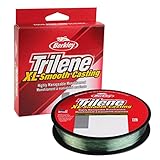
- Premium Choice: Berkley Trilene® XL®, Low-Vis Green, 8lb | 3.6kg, 330yd | 301m Monofilament Fishing Line, Suitable for Freshwater Environments
For baitcasting and spincasting reels, a quality braided line such as PowerPro or Sufix 832 suits anglers who want distance and sensitivity, a copolymer monofilament such as Berkley Trilene XL suits beginners who want forgiveness, and fluorocarbon like Seaguar InvizX suits clear-water finesse presentations. The right answer depends on your reel, lure weight and target species, not on one winner.
As an Amazon Associate we earn from qualifying purchases at no extra cost to you.



At a Glance: Line Types for Casting Reels
| Line type | Best for | Strengths | Limits |
|---|---|---|---|
| Braided (PowerPro, Sufix 832, Spiderwire Stealth, KastKing SuperPower) | Heavy cover, long casts, deep-water fishing | Thin for its strength, almost no stretch, strong sensitivity | Visible, can dig into the spool, needs a leader in clear water |
| Monofilament (Berkley Trilene XL, Stren Original) | Beginners, topwater, general use | Forgiving knots, stretch, easy to handle | Thicker for its strength, absorbs water, memory |
| Fluorocarbon (Seaguar InvizX, Sufix Invisiline) | Clear water, crankbaits, finesse | Low visibility, sinks, good abrasion resistance | Stiffer, more memory, can backlash if spooled loose |
| Fused or coated braid (Berkley FireLine) | Anglers wanting stiffer, smoother line | Thin diameter, strong feel | Colour may fade, stiffer on small spools |
The makers list pound-test and diameter for each product on their own pages; this guide describes the general behaviour of each type rather than quoting sheets that change between revisions.
What Matters on a Casting Reel
Backlash control
Baitcasters spin a spool faster than the line leaves it, so backlash is the biggest beginner problem. Slightly stiff or rough lines worsen it. Soft monofilament and smooth, round braids reduce bird’s nests, and spooling at moderate tension helps. Set the brake system and spool tension for the lure you actually throw.
Diameter and capacity
Braid carries a lot of line on a small spool because it is thin for its breaking strength. Mono and fluorocarbon are thicker, so a given spool holds less. Check the reel’s line capacity chart from the maker before choosing a pound-test.
Stretch and hook sets
Braid has almost no stretch, giving immediate hook sets for jigs, frogs and flipping. Mono stretches and cushions the fight, helpful for treble-hook lures such as crankbaits and topwater plugs where you do not want to rip hooks out.
Visibility
Fluorocarbon refracts light similarly to water, which is why many anglers use it as a leader or main line in clear conditions. Braid is often tied to a mono or fluorocarbon leader in those situations.
Knots
Braid slips on simple knots, so use a Palomar or a double uni. Mono and fluorocarbon handle the improved clinch and uni knots well. Wet the line before tightening to reduce heat damage.
Tier Guidance
| Tier | Typical choices | Notes |
|---|---|---|
| Budget | Stren Original, Trilene XL, basic braids | Fine for casual use; replace more often |
| Mid-range | Spiderwire Stealth, KastKing SuperPower, Sufix 832 | Smooth braids and strong all-round balance |
| Premium | PowerPro, high-end fluorocarbon like Seaguar InvizX | Consistent diameter, low memory, longer lifespan |
Pick This If You Fit This Profile
| Pick | If you |
|---|---|
| Braid | Fish heavy cover, throw frogs, jigs or swim jigs and want maximum sensitivity |
| Monofilament | Are learning a baitcaster or throw topwater and crankbaits |
| Fluorocarbon | Fish clear water, use finesse tactics, or want a low-visibility leader |
| Fused braid | Want a stiffer, thin line for long casts on a spinning or casting reel |
Alternatives and Pairings
- Braid with fluorocarbon leader: Combines casting distance with low visibility at the lure.
- Mono top shot on braid backing: Saves cost by filling the spool with cheap backing and adding mono for casting.
- Hi-vis colour: Easier to read line movement on bright days; some prefer low-vis green.
Common Mistakes
- Spooling braid directly onto a bare spool without backing, which can slip.
- Overfilling a baitcaster spool, which invites backlash.
- Using heavier line than needed for the lure weight, hurting casting distance.
- Skipping a leader when clear water makes braid obvious.
- Not replacing line after nicks, fraying or age; check for rough spots with a fingertip.
Line Care
Rinse after saltwater, store reels out of direct sun, and strip off the first few yards after a snag. UV and heat degrade mono and fluorocarbon faster than braid. Many anglers replace mono each season, while braid can last far longer if kept clean, though the maker’s guidance varies.
Matching Line to Technique
Topwater and moving baits
Monofilament floats and stretches, which lets a fish take a popper or walking bait and hook itself more securely. Braid also floats but can pull a lure out of a fish mouth with a hard sweep, so a slower, patient hook set helps.
Crankbaits and jerkbaits
Fluorocarbon sinks and has low stretch while still giving some cushion, a combination many crankbait anglers prefer. Thicker line makes a diving lure run shallower, so pound-test choice changes the depth a bait reaches. Makers often print recommended lure weight ranges on the spool.
Jigs, flipping and heavy cover
Braid cuts through vegetation and gives anglers a direct feel of the bottom. Heavier pound-test is common here because the line may be rubbing wood and weeds. Fluorocarbon in heavier sizes is another option, especially around rock.
Light lures and finesse
Light lures cast poorly on thick, stiff line. Soft mono or thin fused braid with a fluorocarbon leader tends to carry small baits farther. Reel and rod ratings listed by the maker help you pick a safe lure weight.
Saltwater and inshore casting
Saltwater adds corrosion and abrasion. Many inshore anglers pair braid with a fluorocarbon leader, then rinse the reel after trips. Confirm that the reel is rated for saltwater by its maker.
Reading the Packaging
Line packaging usually lists pound-test, diameter, length and sometimes the weave count for braid. Braid labels may show a pound-test that corresponds to a much thinner diameter than mono at the same strength, and the stated figures are generally the manufacturer’s own measurements. Because brands measure and label differently, compare diameter as well as pound-test when choosing capacity. Fishing outlets such as In-Fisherman and Wired2Fish have published line comparisons, and their coverage highlights that real-world breaking strength can differ from the label.
Frequently Asked Questions
What pound test is best for a baitcaster?
It depends on the lure and cover. Many anglers match line to the reel’s rated range and the weight of the lure; check the reel maker’s chart and consider the species you target.
Is braid good for beginners on a baitcaster?
It can be, but lighter lures and loose spooling lead to backlash. Many new anglers start with monofilament and move to braid once they can control the spool.
Do I need a leader with braid?
In clear water, a mono or fluorocarbon leader helps because braid is visible. In stained water or heavy cover, many anglers tie directly to braid.
How often should I change my line?
Mono and fluorocarbon are often replaced once or twice a season depending on use; braid lasts longer. Replace any line that is frayed, kinked or discoloured.
Can I use spinning line on a casting reel?
Many lines work on both, but some coated or stiff lines are marketed for spinning only because they can hurt casting performance. Check the product description.





Write Your Review
No reviews yet. Be the first to share your experience!