
- Top Pick: NatureStop Bed Bug Spray Travel Size (3 oz) | Targets Bed Bugs & Eggs, Pet & Family Friendly, Plant-Based Active Ingredients, Travel Friendly Size, Stain-Free Formula
- Best Value: CHOMP! Travel Size Bed Bug & Insect Repellent, Natural, TSA Approved Indoor Pest Control Spray for Travel & Home, Plant-Based Dust Mite, Ant, Spider, Fly Killer, Peppermint Scent, 3.4 Fl Oz
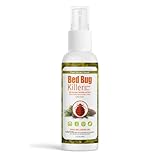
- Premium Choice: 3-Pack Bed Bug Killer Spray Travel Size Plant-Based Natural Essential Oils | Repels Bed Bugs, Dust Mites, Lice & Fleas, Travel Essentials For Women, Travel Bug Spray TSA Approved Insect Control Spray
For travel, a small plant-oil spray such as EcoRaider or a compact conventional bed bug aerosol such as Hot Shot is the usual choice for luggage and hotel-room spot treatment, but sprays only help as a supplement, since heat from a dryer, careful inspection and sealed storage are the methods most pest guidance relies on.
- Important Expectations First
- At a Glance: Travel-Size Options
- Air Travel Rules for Sprays
- Plant-Oil vs Conventional Sprays
- What to Look for on the Label
- Pick X If… Decision Table
- A Practical Travel Routine
- Budget Tiers
- Common Mistakes
- Alternatives
- Frequently Asked Questions
- Signs to Watch For While Traveling
- Using Sprays Safely
- When You Return Home
As an Amazon Associate we earn from qualifying purchases at no extra cost to you.


Important Expectations First
No spray guarantees protection from bed bugs. University extension services and public health agencies, such as those cited by the EPA, stress inspection and heat treatment over reliance on consumer sprays. Always read the product label, follow its directions on surfaces and fabrics, and consult a licensed pest professional for an infestation. If you or someone in the household has asthma, allergies or a medical condition, or if children or pets are present, ask a doctor, vet or pest professional before applying any treatment.
At a Glance: Travel-Size Options
| Product family | Type | Best for | Limits |
|---|---|---|---|
| EcoRaider | Plant-oil based spray | Spot treating luggage seams and bed frames | Needs direct contact and reapplication per label |
| Hot Shot Bedbug and Flea aerosol | Conventional aerosol | Quick spot treatment at home or in rooms | Aerosol rules on flights, strong odor |
| Bed Bug Patrol | Plant-oil based spray | Frequent travelers wanting a natural-ingredient option | Not a heat replacement |
| Rest Easy and similar fabric-safe sprays | Fabric-oriented sprays | Bedding and soft goods | Check label for fabric guidance |
| Sealed luggage liner or encasement | Barrier, not spray | Protecting clothes during a stay | Does not treat the room |
Product formulas and sizes change, so read the current label for active ingredients, surfaces and application limits.
Air Travel Rules for Sprays
Aerosols and liquids face carry-on limits, and some flammable or pressurized products are restricted in checked bags too. Check the airline and security agency rules for the product size you pack. Many travelers choose a pump-style bottle in a small size to meet liquid limits, though the final decision belongs to the airline and security screeners.
Plant-Oil vs Conventional Sprays
Plant-oil sprays
These use ingredients such as essential oils and are marketed with a lower-odor, lower-toxicity profile. They typically work through direct contact and may need repeated application. Reviewers and pest educators often note that natural-ingredient sprays do not offer residual protection the way some conventional products claim to.
Conventional insecticide sprays
These contain regulated active ingredients and label instructions that must be followed exactly. They often carry stronger odors and restrictions near bedding or where people sleep. Do not apply on mattress surfaces unless the label explicitly allows it.
What to Look for on the Label
- Registered use. Look for an EPA registration number or the equivalent for your country.
- Permitted surfaces. Luggage, fabric, mattress seams and wood each have different labels.
- Contact time and drying time. Spray must stay on the target for the stated period.
- Odor and residue. Strong scents can linger in hotel rooms and bags.
- Size and dispenser. A small trigger bottle fits liquids bags more easily than an aerosol can.
Pick X If… Decision Table
| If you… | Pick | Why |
|---|---|---|
| Want a lower-odor product for luggage | Plant-oil spray such as EcoRaider or Bed Bug Patrol | Gentler profile, small bottle size |
| Need to treat a spot at home quickly | Conventional aerosol like Hot Shot | Stronger label claims, follow directions closely |
| Travel with pets or children | Barrier methods first, spray only per label | Reduced exposure, ask a vet or doctor |
| Fly often with carry-on only | Small pump bottle and luggage liner | Easier to pass screening |
| Suspect an infestation | Licensed pest professional | Sprays alone rarely resolve infestations |
A Practical Travel Routine
- Inspect the mattress seams, headboard and furniture before unpacking.
- Keep luggage on a rack or in the bathroom, off the bed and upholstered chairs.
- Use a hard-sided suitcase or a sealed bag for clothing.
- After the trip, wash clothing on hot if the labels allow, then dry on high heat for the time recommended by pest guidance.
- Use spray only on the surfaces the label allows, never on skin, food or pets.
Budget Tiers
Budget: basic conventional aerosols and small generic spray bottles.
Mid-range: branded plant-oil sprays in travel sizes.
Premium: kits combining luggage liners, encasements and sprays for frequent travelers.
Common Mistakes
- Soaking luggage with product, which can leave residue or odor in fabrics.
- Spraying where people sleep when the label does not allow it.
- Assuming one treatment ends the problem.
- Skipping a visual inspection, which is more reliable than spray.
- Mixing products, which can cause irritation or harm.
Alternatives
- Dryer heat. Dryer cycles on high heat are widely cited by extension services as an effective method for clothing.
- Luggage liners and encasements. Block bugs from entering or leaving.
- Professional treatment. Needed when you find signs of an infestation at home.
Frequently Asked Questions
Does bed bug spray prevent bites on trips?
No spray can guarantee protection. Inspection, keeping luggage off the bed and washing clothes on return are generally more reliable.
Can I take bed bug spray on a plane?
Rules vary by airline and country, and pressurized aerosols can be restricted. Check the carrier and security agency guidelines before packing.
Is natural bed bug spray safe for kids and pets?
Natural does not mean risk-free. Read the label and ask a doctor or vet if you have concerns about children, pets or sensitivities.
Can I spray my mattress?
Only if the product label says it is allowed for mattresses. Otherwise, use encasements and contact a pest professional.
What kills bed bugs on clothes?
Pest guidance commonly points to high-heat drying for the recommended duration, provided the fabric care label allows it.
When should I call a professional?
Call one if you find live bugs, shed skins or bite patterns at home. Professionals can confirm the pest and choose a treatment plan.
Signs to Watch For While Traveling
Pest agencies describe small rust-colored spots on sheets, shed skins and live bugs along mattress seams or behind the headboard as warning signs. If you notice any, ask for a different room that is not adjacent to the affected one, and avoid unpacking onto the bed. Take photos and tell the front desk. Bites alone are not reliable evidence, since skin reactions vary and other insects cause similar marks. See a doctor if you have a strong reaction or signs of infection.
Using Sprays Safely
Spray in a well-ventilated space, keep products away from food and children, and never apply them to skin or clothing you are wearing unless the label says so. Allow treated items to dry as directed. Wash hands after use. If a product causes irritation, stop using it and contact a poison control center or your doctor, and keep the packaging so the ingredients are on hand.
When You Return Home
Unpack in a garage, tub or on a hard floor rather than the bedroom. Run clothes through the dryer on high heat for the duration extension guidance suggests, and vacuum suitcases before storing. Inspect the bag seams and wheels, since insects hide in small gaps. If you find evidence of bugs, contact a licensed pest professional rather than relying on sprays alone.





Write Your Review
No reviews yet. Be the first to share your experience!