
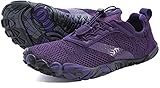
- Top Pick: SHULOOK Womens Slip on Walking Shoes Comfort Lightweight Casual Sneakers | Non-Slip Breathable Sock Work Shoes Mesh Sport Casual Fashion Tennis Running Sneakers
- Best Value: Brooks Women’s Adrenaline GTS 25 Supportive Running & Walking Shoe – Grey/Blackened Pearl/Coral – 9 Medium
- Premium Choice: NORTIV 8 Women's Walking Shoes Running Tennis Sneakers ,White,8 | Cushion, Non-Slip, Comfortable, Breathable, Workout, Gym, Sports, Athletic, Rocker Bottom, Nurse, Fashion, ActiveFloat
For women who walk on a treadmill, the Brooks Ghost is the balanced everyday pick, the Hoka Bondi suits those who want maximum cushioning, and the New Balance Fresh Foam X 1080 is a good fit for walkers who want a soft ride with arch-friendly structure. None of these were built as a “treadmill walking shoe” by name. Reviewers recommend them because a treadmill belt is a flat, repetitive surface where cushioning, a smooth heel-to-toe roll and a secure fit matter more than traction or rugged outsoles. Gamers and desk workers who add treadmill walking to long sitting sessions can use the same logic: pick for comfort over repeated, steady miles.
- What Matters on a Treadmill
- At a Glance: Models Reviewers Name
- Running Shoes vs Walking Shoes
- Fit and Sizing Notes
- Budget Tiers
- Pick X If… Decision Table
- Treadmill Habits That Help Comfort
- Alternatives
- Common Mistakes
- Walking Form and Shoe Behaviour
- Incline, Speed and Intervals
- Socks, Insoles and Lacing
- Frequently Asked Questions
As an Amazon Associate we earn from qualifying purchases at no extra cost to you.


What Matters on a Treadmill
A treadmill is predictable. The surface is even, the belt gives a little, and the pace is steady. That changes what to prioritise compared with trail or pavement shoes.
- Cushioning: long sessions on a repeating surface add up, so a softer or well-cushioned midsole is the main comfort feature.
- Heel-to-toe transition: walkers strike with the heel and roll through to the toe. A rocker shape can make this smoother.
- Breathable upper: indoor sessions get warm. Mesh uppers help airflow.
- Secure heel and midfoot: a slipping heel causes blisters, especially on an incline.
- Light weight: less weight per step is easier over thirty or sixty minutes.
- Modest outsole: deep lugs are not needed indoors and can catch on a belt.
At a Glance: Models Reviewers Name
| Model | Best for | What reviewers report | Limits |
|---|---|---|---|
| Brooks Ghost 18 | All-round daily walking and treadmill sessions | Forbes calls it supportive, slightly firm and breathable; other roundups list it for fitness walks and treadmill work | Firmer than plush max-cushion shoes |
| Brooks Ghost Max | Extra cushioning with a Brooks fit | Mountaineer Journey ranks the Ghost Max 4 as its top walking shoe; Teohl’s podiatrist-backed guide picks the Ghost Max 3 | Taller stack feels less grounded to some walkers |
| Hoka Bondi 9 | Maximum cushioning, long sessions | Mountaineer Journey calls it its most comfortable walking shoe of 2026 | Bulky look; heavy-feeling for some |
| Hoka Bondi SR | Walkers who want slip resistance | Treeline Review names it its top women’s pick and describes it as slip resistant | Built for work environments; fewer colour options |
| New Balance Fresh Foam X 1080 | Soft ride with arch support | Forbes lists the 1080v14 as the best walking shoe for women with arch support | Fit varies by foot shape; check width options |
Model numbers reflect the versions named by reviewers in 2026 roundups. Makers update shoes on a regular cycle, so the version on the shelf may be newer. Read the maker’s page for current details.
Running Shoes vs Walking Shoes
Most of the shoes reviewers recommend for treadmill walking are running shoes. Roundups such as FueledByLOLZ note that the Brooks Ghost is a running shoe used widely for walks. That is not a problem. Running shoes are usually built with more cushioning and a smoother ride than a flat casual sneaker. Dedicated walking shoes often have a flatter, firmer sole and a more pronounced heel, which some walkers prefer for stability.
The simplest way to decide is to think about how you walk. If you walk fast, hit an incline or add intervals, a running-style shoe handles it. If you walk slowly for long periods and like a firm, stable platform, a walking-specific model may feel better.
Fit and Sizing Notes
- Thumb of space: leave about a thumb’s width between the longest toe and the end of the shoe. Feet swell during sessions.
- Width options: many models come in multiple widths. A shoe that squeezes the forefoot causes blisters and numbness.
- Try with your usual socks: thicker socks change fit.
- Shop later in the day: feet are slightly larger by evening.
- Heel hold: the heel should not lift when you walk. If it does, try a different lacing pattern or model.
- Women’s cut: women’s models are shaped for a narrower heel and different forefoot, so choose the women’s version where offered.
Anyone with foot pain, plantar fasciitis, bunions, diabetes or circulation problems should talk to a podiatrist or doctor about shoe choice. Reviewers and podiatrist-backed guides can inform choices, but they are not a diagnosis or treatment.
Budget Tiers
- Budget: older versions of popular models and basic walking sneakers. Previous-generation Brooks and New Balance shoes often sit here as newer versions arrive.
- Mid-range: current Brooks Ghost and New Balance Fresh Foam models.
- Premium: Hoka Bondi and Ghost Max, built with thicker midsoles and generally the most cushioned options.
Pick X If… Decision Table
| Pick this | If you… |
|---|---|
| Brooks Ghost 18 | want one dependable shoe for treadmill, errands and travel |
| Brooks Ghost Max | want more cushioning but prefer the Brooks fit |
| Hoka Bondi 9 | walk long sessions and want the softest ride |
| Hoka Bondi SR | need slip resistance, for example when you are on your feet at work as well |
| New Balance Fresh Foam X 1080 | look for a soft ride with arch support |
Treadmill Habits That Help Comfort
- Warm up at an easy pace before raising speed or incline.
- Keep your head up and avoid holding the handrails for long stretches, which changes your gait.
- Replace shoes when the midsole feels flat or the outsole is worn, a point commonly made by running and walking specialists. Many makers suggest a mileage range; read their guidance.
- Rotate two pairs if you walk daily, so each has time to recover.
- Stop and rest if you feel sharp pain, dizziness or chest discomfort, and speak to a doctor if it continues.
Alternatives
Dedicated walking shoes
Brands that specialise in walking offer firmer, more stable models. They suit people who prefer a flat feel and are not chasing a soft ride.
Stability running shoes
Walkers whose ankles roll inward may find stability models with guide rails more comfortable. A specialist running store or podiatrist can assess gait.
Lightweight trainers
Cross-training shoes work for a mix of treadmill and gym floor sessions, but they usually have less cushioning than running models.
Common Mistakes
- Buying for looks rather than fit.
- Choosing a size based on a casual shoe size without allowing for foot swelling.
- Wearing worn-out shoes because they still look fine.
- Assuming more cushioning is always better. Very soft shoes can feel unstable for some people.
- Skipping width options and living with tight toes.
Walking Form and Shoe Behaviour
Treadmill walking encourages a steady, repetitive stride. Because the belt moves under you, many walkers shorten their step or land more heavily on the heel. A shoe with a rounded heel and a rocker profile can help the foot roll forward more smoothly, which is one reason reviewers favour models like the Hoka Bondi and Brooks Ghost Max. A lower, firmer shoe gives more ground feel but less shock absorption, so some walkers feel it more in the knees and hips after longer sessions.
Incline, Speed and Intervals
Incline walking shifts load toward the calves and the front of the foot, so a secure midfoot and a heel that stays put matter more. If you plan on high speeds or run-walk intervals, choose a shoe that handles faster turnover, and the Brooks Ghost line is commonly mentioned for that mix. For slow, steady sessions while working at a standing desk or watching a show, a plush cushioned shoe is more forgiving. Whatever you choose, build time and incline gradually, and stop if you feel pain.
Socks, Insoles and Lacing
Socks affect comfort as much as shoes. Moisture-wicking synthetic or wool-blend socks reduce blisters compared with cotton, which holds sweat. Many shoes have removable insoles, so if you use custom orthotics from a podiatrist, make sure the shoe has room for them and follow the maker’s guidance. Heel-lock lacing, which uses the extra top eyelet, can stop a slipping heel without making the shoe tighter across the forefoot.
Frequently Asked Questions
Can I use running shoes for treadmill walking?
Yes. Reviewers regularly recommend running models such as the Brooks Ghost and Hoka Bondi for walking, because they offer cushioning and a smooth roll. The right choice depends on comfort and fit more than the label.
How much cushioning do I need?
It depends on session length and personal preference. Longer sessions tend to feel better in a well-cushioned shoe, while shorter walks are fine in moderate cushioning. If you feel a sore heel or tired feet, a softer midsole may help.
How often should I replace treadmill shoes?
Makers and specialists usually point to a mileage range and to signs like flattened cushioning or uneven wear. Because treadmill sessions are indoors, outsoles may look fine while the midsole is worn, so pay attention to how the shoe feels.
Do I need slip-resistant shoes on a treadmill?
The belt provides its own grip, so slip resistance matters less than on wet floors. A slip-resistant model like the Hoka Bondi SR can still help if you wear the shoes at work or outdoors too.
What if I have foot pain when walking?
Shoes can help comfort but do not treat medical conditions. If pain persists, see a doctor or podiatrist for advice on footwear and any underlying issue.
Should I size up for a treadmill shoe?
Many walkers choose a size that leaves a thumb’s width at the toe, because feet swell during longer sessions. Try shoes on with your usual socks and check the maker’s sizing guidance and width options.





Write Your Review
No reviews yet. Be the first to share your experience!