
- Top Pick: Windex Glass & Window Cleaner Spray Bottle, Original, 23 oz | Streak-Free Shine, Removes Dirt, Smudges & Fingerprints from Glass Tabletops, Windows, Mirrors, Shower Doors & More
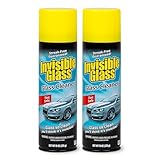
- Best Value: Invisible Glass Auto Glass Cleaner Foaming Spray, 19 oz, 91164 (Pack of 2) | Thick foam clings to auto glass, cuts through road film and haze, wipes streak-free. Ammonia-free and tint-safe.
- Premium Choice: Windex Foaming Window & Glass Cleaner, No-Drip, All-Purpose Spray, 19oz | Removes 2X More Dirt & Grime*; Fast-Acting; Clings to Mirrors & Windows; Streak-Free Shine for Countertops & More; Rainshower
For everyday streak-free glass, an ammonia-free glass cleaner such as Invisible Glass is a reliable pick, Windex suits routine household cleaning, and a plant-based option like Method Glass cleaner suits people who prefer a gentler formula. The right spray depends on how dirty the windows are, what coatings they have, and whether you clean indoors, outdoors or in a car.
As an Amazon Associate we earn from qualifying purchases at no extra cost to you.



How Window Cleaner Sprays Differ
Most window sprays are mixes of water, a solvent such as an alcohol or glycol ether, a surfactant to lift dirt, and sometimes ammonia. The differences are small on paper but matter in practice.
- Ammonia-based: Cuts grease strongly and dries quickly. The smell is sharp, and ammonia can damage some tinted film and plastics.
- Ammonia-free: Preferred for car windows with aftermarket tint, and for people who dislike the smell.
- Foaming: Clings to vertical glass, so it works well on mirrors and shower doors.
- Plant-based or eco formulas: Use plant-derived ingredients and often carry a gentle scent, which some users find less effective on heavy grime.
- Concentrates: Dilute in a bottle you already own, reducing packaging waste.
Technique often counts as much as product. Clean in shade, use a lint-free cloth or squeegee, and wipe in overlapping strokes so you do not simply move residue around.
At a Glance
| Product | Type | Best for | What the maker states | Limits |
|---|---|---|---|---|
| Invisible Glass | Ammonia-free aerosol or spray | Cars and home glass, streak control | The maker advertises a streak-free formula that is safe for tinted windows | Aerosol versions are less portable on flights, trigger bottles also exist |
| Windex Original | Ammonia-based spray | Everyday household windows and mirrors | Maker positions it as a classic streak-free glass cleaner | Smell is strong; not for tinted film or some plastics |
| Windex Ammonia-Free | Ammonia-free spray | Cars and sensitive surfaces | Maker lists a formula without ammonia | Slightly less cutting power on greasy buildup |
| Method Glass + Surface | Plant-based spray | Light cleaning, scent-sensitive homes | Maker describes a plant-based formula designed for glass and surfaces | May need a second pass on heavy grime |
| Sprayway Glass Cleaner | Foaming aerosol | Vertical glass, mirrors, garage workshops | Maker describes a foaming action that clings to the surface | Aerosol can; overspray on nearby surfaces |
| Vinegar and water mix | DIY | Light home cleaning on a budget | Not a maker product; mixed at home | Not for stone, certain coatings or tinted film; cleaning power is limited |
Everyday Household Glass
Windex remains the best-known brand, offering both an ammonia-based Original formula and an ammonia-free version. Reviewers at outlets such as Good Housekeeping and Wirecutter have repeatedly included glass-cleaning sprays like these when comparing streak performance, and the results often depend on the cloth as much as the liquid. For routine interior windows and mirrors, any of the mainstream sprays will work if you buff dry with microfibre.
Cars, Tinted Glass and Screens
For vehicle glass, many drivers choose ammonia-free formulas, since ammonia can degrade some window tint films over time. Invisible Glass is among the most mentioned options, and the maker states that it is safe on tinted windows. Always read the label, and test a corner when unsure. For touchscreens and electronic displays, do not use a standard window cleaner. Follow the device maker’s guidance, which usually calls for a lightly dampened microfibre cloth.
Heavy Grime, Mirrors and Shower Doors
For hard water spots or soap film on shower glass, a foaming spray stays in place long enough to loosen deposits. Sprayway is a common pick in workshops and garages. Mineral stains may need a dedicated descaler, though you should read the product label for compatible surfaces. Never mix cleaners, particularly ammonia and bleach products, because the combination can release dangerous fumes.
Budget Tiers Without Prices
- Budget: Store-brand or larger-size refills, or a diluted concentrate in a trigger bottle you already own.
- Mid-range: Established brands like Windex, Invisible Glass and Sprayway, which cover most household needs.
- Premium: Plant-based or specialist products and professional-style squeegee kits, which suit people who care about ingredients or large expanses of glass.
Pick This If You Want
| Pick this if … | Choose |
|---|---|
| You want a classic household cleaner | Windex Original |
| Your car has tinted windows | An ammonia-free glass cleaner such as Invisible Glass |
| You dislike strong smells | A plant-based spray such as Method |
| You clean vertical glass or mirrors with heavy film | A foaming spray like Sprayway |
| You clean large windows often | A concentrate plus a squeegee |
How to Avoid Streaks
- Clean out of direct sun, since fast drying leaves marks.
- Remove loose dust first with a dry cloth or soft brush.
- Spray lightly. Too much product is a common cause of streaks.
- Wipe with a clean, lint-free microfibre cloth, and switch to a dry one to buff.
- Wash cloths without fabric softener, which leaves residue.
- Use a squeegee for large panes and wipe the blade between strokes.
Safety and Surface Cautions
Read the label before using any cleaner. Keep products away from children and pets, ventilate the room, and do not use glass cleaners on unsealed wood, stone or certain plastics unless the maker says it is safe. If a spray irritates your eyes or skin, rinse with water and follow the first-aid instructions on the label. Aerosols are flammable and should be kept away from heat sources.
Alternatives
- Microfibre cloth with water only: Handy for light dust and fingerprints.
- Steam cleaners: Handheld steam tools can handle grime without chemicals, though you should check the glass type and the maker’s guidance.
- Squeegee and bucket: A traditional method for large exterior windows.
Frequently Asked Questions
Is ammonia-free window cleaner as good as ammonia-based?
For most household glass, yes. Ammonia-based products can cut grease a bit faster, but modern ammonia-free formulas handle everyday dirt well and are better for tinted film.
Why do my windows streak after cleaning?
Common causes are too much product, a dirty cloth, or cleaning in direct sun. Use a little spray, a clean microfibre cloth and work in shade.
Can I use window cleaner on my car windscreen?
Yes, but choose an ammonia-free product if the glass has tint, and keep the spray off dashboard plastics. Read the product label for vehicle use.
Is vinegar a good window cleaner?
Diluted vinegar can clean light dirt on plain glass, but it is not suited to every surface and may not tackle heavy grease. Avoid it on natural stone and coated or tinted glass.
Can I use glass cleaner on a TV or phone screen?
No. Follow the device maker’s cleaning instructions, which usually recommend a soft, slightly damp cloth, since many sprays can damage anti-glare coatings.
How often should I clean windows?
Interior glass often needs attention every month or two, while exterior windows may need cleaning a few times a year, depending on weather and pollution.







Write Your Review
No reviews yet. Be the first to share your experience!