
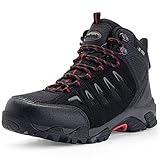
- Top Pick: SHULOOK Men's Waterproof Hiking Boots Non-Slip Lightweight Mid Top Ankle Boot Breathable Hiker Trekking Shoes
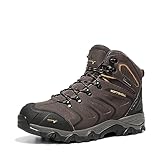
- Best Value: NORTIV 8 Men's Ankle High Waterproof Hiking Boots,Brown/Black/Tan,12 | Outdoor Lightweight Hiking Boots for Camping, Trekking and Mountaineering Armadillo
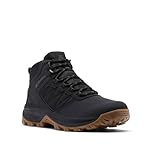
- Premium Choice: Columbia Men's Transverse Waterproof Hiking Boot, Black/Black, 10.5 | Transverse Hike Waterproof Shoe offers dry comfort and all-terrain traction on any trail
The most budget-friendly waterproof hiking boots that still hold up on real trails are the Columbia Newton Ridge Plus and Redmond III for people who want the lowest outlay, the Merrell Moab 3 Waterproof for a comfortable out-of-the-box fit, and the Timberland White Ledge Mid for a rugged leather build. Step up one tier and the Salomon X Ultra 4 Mid GTX or KEEN Targhee line add lighter weight or sturdier support. Which one suits you depends on foot shape, trail type and how often you hike.
As an Amazon Associate we earn from qualifying purchases at no extra cost to you.

Why a Cheap Waterproof Boot Is Not the Same as a Cheap Boot
Waterproofing in this price class almost always comes from a bootie or membrane sewn inside the upper. Columbia calls its version Omni-Tech, Merrell uses a membrane it labels M Select DRY, and Salomon and KEEN use Gore-Tex or their own KEEN.DRY lining depending on the model. The membrane keeps rain and puddle splashes out, but it also reduces airflow, so the same boot that feels perfect in a wet spring can feel warm in midsummer. Makers describe these boots as waterproof, not as submersible, and the cuff is the limit: water that pours over the collar will get in regardless of the membrane.
Because the budget tier cuts costs in specific places, it helps to know where. Typical savings show up in the midsole foam, the outsole rubber compound and the amount of stitching or bonding in the upper. None of that makes a boot unsafe; it mostly affects how long the cushioning feels fresh and how well the sole grips on wet rock.
At a Glance: Budget Waterproof Boots Compared
| Boot | Budget tier | Waterproofing as stated by maker | Best for | Main limit |
|---|---|---|---|---|
| Columbia Newton Ridge Plus (waterproof) | Budget | Omni-Tech waterproof construction | Day hikes, wet-weather walks, first pair | Heavier feel, basic cushioning |
| Columbia Redmond III (waterproof) | Budget | Omni-Tech waterproof construction | Lighter trail walking and travel | Less support for heavy packs |
| Merrell Moab 3 Mid Waterproof | Budget to mid-range | Waterproof membrane lining | Wide variety of feet, little break-in | Moderate durability on rough rock |
| Timberland White Ledge Mid (waterproof) | Budget to mid-range | Waterproof leather, seam-sealed construction | Rugged leather look and wet ground | Stiff at first, heavier |
| KEEN Targhee line (waterproof versions) | Mid-range | KEEN.DRY waterproof lining | Wider forefoot, toe protection | Roomy fit does not suit narrow feet |
| Salomon X Ultra 4 Mid GTX | Mid-range | Gore-Tex membrane | Lighter, faster hikers wanting grip | Narrower fit, costs more |
Specifications such as weight and exact membrane names can change between model years, so treat the maker’s own product page for your size as the final word before ordering.
Model Notes
Columbia Newton Ridge Plus and Redmond III
Columbia has built its reputation on affordable outdoor footwear, and both these boots rely on the brand’s Omni-Tech waterproof lining. The Newton Ridge Plus leans toward a traditional leather-and-suede approach with a padded collar, which reviewers often describe as dependable for day hikes and general outdoor use. The Redmond III is positioned as a lighter, more athletic option. Both suit short to moderate trips; neither is built to carry a heavy multi-day pack over rocky ground.
Merrell Moab 3 Mid Waterproof
The Moab line is one of the best-known entry-level hiking platforms. Outlets such as Outdoor Gear Lab and Switchback Travel have long praised the family for needing little break-in and for a forgiving shape. The third generation continues that approach with a cushioned footbed and a rubber outsole with multi-directional lugs, according to the maker. If you have never been fitted for hiking boots before, this is often the least risky first purchase.
Timberland White Ledge Mid
The White Ledge is a leather boot with seam-sealed waterproofing, which Timberland markets at hikers and everyday wearers. Leather tends to be tougher against abrasion than mesh-heavy boots, though it asks for more patience early on. Expect a few short walks before it softens.
KEEN Targhee and Salomon X Ultra 4
These sit at the top of the “affordable” band and are worth a look if you can stretch the budget. KEEN is known for a wide toe box and a protective toe cap, helpful for people whose feet splay. Salomon’s X Ultra has a sporty, lower-profile feel with a grippy outsole; reviewers often note a narrower fit that suits slimmer feet.
How to Choose Without Overspending
- Match the cut to the terrain. Mid-height boots give ankle coverage on uneven trails and keep out debris; low-cut waterproof shoes are lighter but let water in over the collar.
- Prioritise fit over features. A cheaper boot that fits properly beats a premium boot that pinches. Try boots in the afternoon when feet are slightly swollen and wear the socks you will hike in.
- Check the outsole. Look for deep, widely spaced lugs and a defined heel brake for downhill sections.
- Think about the season. Membranes trap heat. For hot, dry climates, a breathable non-waterproof shoe may serve better.
- Plan for socks. Merino or synthetic hiking socks manage moisture better than cotton, which holds sweat and encourages blisters.
Pick This If You Are…
| If you are… | Pick | Reason |
|---|---|---|
| Buying your first hiking boot on a tight budget | Columbia Newton Ridge Plus | Low entry point with a waterproof lining and padded collar |
| Wanting minimal break-in | Merrell Moab 3 Mid Waterproof | Reviewers frequently describe comfort from the first wear |
| Hiking mostly on wet ground or snow-melt | Timberland White Ledge Mid | Seam-sealed leather resists splashes well |
| Carrying a wide forefoot | KEEN Targhee | Roomier toe box and toe protection |
| Preferring a lighter, more athletic feel | Salomon X Ultra 4 Mid GTX | Low weight and grippy outsole |
| Walking mainly on easy paths and travelling | Columbia Redmond III | Lighter build suited to casual use |
Common Mistakes
- Buying a size that matches street shoes. Hiking boots usually need extra room for toes on descents; many fitters suggest roughly a thumb’s width in front of the longest toe.
- Expecting waterproof to mean dry forever. After long soaking or stream crossings, the inside can still become damp from sweat or from water over the cuff.
- Skipping care. Dirt can clog the fabric and reduce breathability. Rinse off mud and let boots dry at room temperature, away from direct heat that may damage glue and leather.
- Ignoring insoles. Stock insoles in budget boots are often thin; a supportive aftermarket insole can change comfort, though it also changes volume inside the boot.
- Wearing new boots on a long trip. Break them in over several shorter walks.
Alternatives Worth Considering
- Waterproof trail runners. Lighter and quicker to dry, with less ankle support. Good for fast day hikes.
- Non-waterproof hiking shoes with gaiters. Better ventilation in warm weather; combine with gaiters for debris.
- Previous-generation models. Makers regularly refresh lines, and earlier versions of the Moab or Targhee often stay available at lower cost with very similar construction.
Frequently Asked Questions
Are cheap waterproof hiking boots durable enough for regular use?
For day hikes and weekend trips they generally are, provided the fit is right and they are cared for. Heavy daily mileage, rocky terrain or loaded packs will wear budget midsoles and outsoles faster than premium ones. Many hikers treat entry-level boots as a two- to three-season purchase.
Do waterproof boots make my feet sweat more?
They can, because the membrane limits airflow. Wool or synthetic socks help move moisture away from the skin, and in hot weather a breathable non-waterproof shoe is often more comfortable. Choose based on the climate you hike in most.
Should I size up in hiking boots?
Many people choose a half size larger than their everyday shoes to allow for foot swelling and downhill toe room. Heel lift is the check that matters: the heel should stay mostly in place while the toes have space. Always follow the maker’s size chart and try the boots with hiking socks.
How do I keep waterproofing working over time?
Clean off mud, let boots dry naturally, and follow the maker’s care guidance for any re-treatment product. Leather boots usually benefit from conditioning, while fabric uppers often take a spray-on treatment. If water begins soaking into the outer material, the finish may need refreshing.
Mid or low cut for waterproof hiking?
Mid-height covers more of the ankle, which helps on rough ground and keeps out splashes and trail debris. Low cuts are lighter and cooler but offer less protection. If you have had ankle injuries, speak to a healthcare professional about the support level that suits you.





Write Your Review
No reviews yet. Be the first to share your experience!