
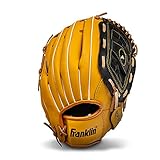
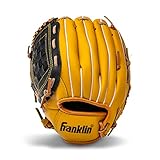
- Top Pick: Franklin Sports Field Master Series Baseball Gloves, 12.5", Right Hand Throw
- Best Value: Franklin Sports Field Master Series Baseball Gloves, 12", Right Hand Throw | Baseball + Softball Practice + Games, Quick Break-In Comfort, Scoops + Catches Ready, Synthetic Leather Feel, Youth + Adult
- Premium Choice: Franklin Sports Field Master Midnight Series Baseball Glove-Right Handed Thrower
For most buyers the best budget baseball glove is a pre-broken or soft-leather entry model from a major maker, such as the Rawlings Players Series, the Wilson A500 line or a Mizuno Prospect, in the right position size, with a younger player favouring softer shells and an adult league player favouring firmer leather. Size and position matter more than the logo on the wrist.
- How to read a budget glove
- At a glance
- Sizing by position
- Materials in plain terms
- Budget, mid-range and premium tiers
- Pick X if …
- Common mistakes
- Alternatives
- Fit and feel: how to judge a glove in the store
- Care that keeps a budget glove alive
- What reviewers and coaches tend to look for
- Frequently Asked Questions
As an Amazon Associate we earn from qualifying purchases at no extra cost to you.


How to read a budget glove
Entry-level gloves differ mostly in the leather and in how much work they need before they close properly. Cheaper gloves often use treated or composite shells that are easy to close out of the box. Better budget gloves use real leather that needs some break-in but holds its shape longer. Makers describe their lines on their own product pages, so look there for the stated leather type, padding and age range rather than relying on shelf labels.
At a glance
| Line | Best for | Maker’s positioning | Limits |
|---|---|---|---|
| Rawlings Sure Catch | Young children, tee-ball and early youth ball | Soft, easy-closing youth gloves | Not built for competitive adult play |
| Rawlings Players Series | Youth players moving up from the first glove | Entry line meant to be game-ready quickly | Shell is lighter than premium lines |
| Wilson A500 | Youth and adult recreational players | Value line, shell designed to need little break-in | Less durable than higher lines under heavy use |
| Mizuno Prospect | Youth players who want a lighter, easy-to-close feel | Youth line from Mizuno | Sizes skew to younger players |
| Rawlings Renegade and similar adult value gloves | Adult rec leagues and softball | Larger sizes at a modest tier | Leather feel is basic |
| Franklin Field Master and similar | Starter gloves for casual catch | Budget tier | Shorter lifespan with frequent games |
Lineups and names are refreshed regularly, so read the current listing on the maker’s own site for exact materials and sizes.
Sizing by position
| Position | Typical pattern | Common adult size range in inches |
|---|---|---|
| Infield | Shallower pocket for fast transfers | About 11 to 11.75 |
| Outfield | Longer glove with deeper pocket | About 12 to 12.75 |
| Pitcher | Closed web to hide the grip | About 11.5 to 12 |
| First base | Mitt with no finger separation | Roughly 12 to 13 |
| Catcher | Heavily padded mitt | Often listed in a 31 to 34 inch circumference style |
Youth sizes run smaller, often starting around 9 inches for the youngest players and rising a half inch or so every year or two. The maker’s size chart on the glove page is the safest guide. Left-handed throwers wear the glove on the right hand, and manufacturers label this as right-hand throw (RHT) or left-hand throw (LHT), which is easy to mix up.
Materials in plain terms
- Full leather. Heavier and slower to break in, but holds its shape better.
- Treated or pre-oiled leather. Closes more easily and suits kids who cannot yet squeeze a stiff glove.
- Synthetic or composite shells. Lightest and cheapest; fine for beginners and short seasons.
- Lacing. Rawhide laces last longer than basic synthetic laces; check whether the glove allows relacing at a shop.
Budget, mid-range and premium tiers
| Tier | What you get | Who it suits |
|---|---|---|
| Budget | Soft or synthetic shell, quick to use, may flatten after a season or two | Tee-ball, first-time players, casual catch |
| Mid-range | Real leather shell, better padding and lacing | Regular youth and rec league players |
| Premium | Higher-grade leather, hand-finished, stiffer break-in | Competitive players who can use a glove daily |
The sensible budget buy is often a mid-range line at its smaller sizes, because leather quality affects how long it lasts more than any marketing label.
Pick X if …
| If … | Pick … |
|---|---|
| Your child is under about seven or just learning | Rawlings Sure Catch style soft glove |
| You want a reliable youth glove for a season or more | Rawlings Players Series, Wilson A500 or Mizuno Prospect |
| You play adult slow-pitch or rec baseball | Wilson A500 or an adult Rawlings value glove in the position size |
| You play first base on a small budget | An entry first base mitt from the same lines |
| You will play several games a week | Step up one tier for sturdier leather |
Common mistakes
- Buying too big so the child can grow into it. A glove that is too large is hard to control and slows fielding.
- Ignoring hand orientation. Confirm RHT or LHT before ordering.
- Using the wrong glove for the position. An outfield glove in the infield slows transfers.
- Skipping care. Wipe off dirt, store the glove with a ball in the pocket and avoid leaving it in a hot car.
- Over-oiling. Heavy oil makes leather soft and heavy; use only what the maker’s care guide suggests.
Alternatives
- Softball gloves. Larger balls mean different pocket depths; do not swap blindly between games.
- Used gloves. A previously owned mid-range glove can beat a new budget one if the leather and laces are sound.
- Glove care kits. A basic cleaner and conditioner stretch the life of any entry glove.
Fit and feel: how to judge a glove in the store
Put the glove on and make a fist. It should close without forcing and the fingers should reach the tips without gaps that let the hand slide. The wrist strap should hold firmly yet allow movement, and your fingers should not hit the end of the glove when you squeeze the pocket. Youth players with small hands often do better in a glove the maker describes as easy closing. If you buy online, choose a seller with a clear return policy so you can swap the size.
Care that keeps a budget glove alive
A cheap glove can last much longer with a little care. Wipe off dirt and moisture after games, let it air-dry away from a heater, and avoid soaking it. A light conditioner meant for baseball gloves helps keep leather from drying, but use only a small amount as the maker’s care instructions say. Keep the glove away from pets who like to chew. When laces loosen, a shop can retie or replace them for a small fee, which is often cheaper than replacing the glove.
What reviewers and coaches tend to look for
Gear guides from outlets such as Baseball Bargains and Pro Baseball Insider tend to judge entry gloves on break-in time, pocket depth, weight and lacing quality. They often note that gloves marketed for youth are lighter, since weight tires small arms quickly. Coaches generally stress comfort and control over brand names. Because lineups change each year, read the maker’s own page for the line you are considering.
Frequently Asked Questions
What size glove does a youth player need?
It depends on age, hand size and position. Makers publish size charts for each line, and a glove that closes comfortably without sliding on the hand is usually a better fit than one with extra room.
How do I break in a budget glove?
Play catch regularly, flex the pocket and store the glove with a ball tucked in the web. Lines marketed as easy-closing need less effort. Avoid microwaving or baking, which can dry out leather.
Is a more expensive glove worth it for a child?
Children outgrow gloves quickly, so a mid-range youth glove is usually enough. Premium leather matters more once a player is in competitive adult-size play.
Can an infielder use an outfield glove?
It can be done in casual play, but the longer glove slows ball transfers. A position-correct glove helps with technique.
How long does a budget glove last?
That varies with leather, use and care. Light casual use can last several seasons, while daily use wears laces and shells faster.







Write Your Review
No reviews yet. Be the first to share your experience!