
- Top Pick: Rubik's Cube 3×3 Magnetic Speed Puzzle Cube & Brain Teaser Fidget Toy | Magnetic For Speed & Stability, A Competitive STEM Toy That Improves Hand-Eye Coordination & Algorithmic Thinking, Ages 8+
- Best Value: GAN 356 M, Speed Cube 3×3 Magnetic Puzzle for Kids | Smooth turning, stable control, beginner-friendly performance, spatial awareness toys for cubers adults, no extra ges
- Premium Choice: GAN 356 RS, Speed Cube 3×3 Stickerless Puzzle Christmas Gift for Kids | Smooth turning, easy control, beginner-friendly performance, hand-eye coordination toys for boys girls adults, non-magnetic
The best 3×3 speed cube for most newcomers is a mid-range magnetic cube from the MoYu RS3M or YJ MGC families, while serious solvers chasing sub-10 averages usually look at flagship magnetic models from GAN, MoYu WeiLong and QiYi. Budget tiers matter less than fit: the right cube is the one whose turning feel matches your solving style, and gamers who already love fast reflexes tend to enjoy a light, quick cube.
As an Amazon Associate we earn from qualifying purchases at no extra cost to you.


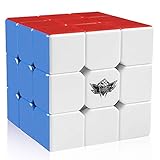
At a Glance: Cube Families Worth Knowing
| Family | Best for | Typical stated features | Limits |
|---|---|---|---|
| MoYu RS3M series | Beginners moving to speed | Magnets, stickerless colors, tension adjustment | Plainer feel than flagships |
| YJ MGC series | Value-minded cubers | Magnetic core, adjustable springs | Needs a break-in period |
| QiYi MS / Tornado families | Users who want tuning options | Adjustable magnet strength on higher models | Model names change often |
| MoYu WeiLong line | Competition-minded solvers | Magnetic, tuned for stability | Premium tier |
| GAN 356 and GAN flagship line | Tinkerers and competitors | Modular adjustable core, magnet and spring tuning | Premium tier, more setup |
| Rubik’s Speed Cube | Kids and gift buyers | Branded entry speed cube | Less adjustable |
Makers refresh their lines every year, so exact model suffixes (V2, V3, M, Pro) shift. The families above have all been active in recent seasons, but read the maker’s product page for the exact version on sale.
How to Choose a Speed Cube
Magnets Versus Non-Magnetic
Magnets sit inside the pieces and help layers snap into alignment. Reviewers on cubing sites consistently describe magnetic cubes as the better choice for modern speedsolving, because they reduce overturns and mid-turn catches. A non-magnetic cube can feel lighter and looser, but for most buyers a magnetic model is the safer pick.
Tension and Adjustability
Every serious speed cube lets you tighten or loosen each corner with a screw. Higher-end cubes add adjustable magnet strength, which means you can tune how firmly layers lock. If you are new to cubing, a tension-only cube is plenty; the extra tuning only pays off once you know what you like.
Size and Weight
Standard 3×3 cubes measure roughly 55 to 57 millimeters per side, but makers list slightly different sizes. Smaller hands often prefer a compact cube, while larger hands may like a slightly bigger one for grip. Weight is usually listed in grams on the maker page; lighter cubes feel quicker, heavier ones feel steadier.
Stickered Versus Stickerless
Stickerless cubes use colored plastic, so nothing peels. Stickered cubes are easier to color-match and are common in budget models. Over many months of heavy use, stickerless pieces tend to age better.
Lubricant and Break-In
New cubes usually ship with factory lube, and most cubers add their own. Silicone-based lubricants are the common choice in cubing communities, but follow the maker’s guidance because some plastics react to certain lubricants. Plan a day or two of turning before judging how a cube performs.
Budget Tiers Explained
Budget Tier
Budget cubes from MoYu, YJ and QiYi deliver magnets and stickerless pieces at an approachable level. They are the right place to begin if you are still learning the beginner method or just moving into advanced methods like CFOP.
Mid-Range Tier
Mid-range models add better magnets, refined internal geometry and more consistent quality control. This tier suits solvers who practice daily and want a cube that holds up for a year or more.
Premium Tier
Premium cubes such as flagship GAN and MoYu WeiLong models give tunable magnets, tighter tolerances and tuned core systems. They are aimed at competition solvers who will notice small differences.
Pick X If
| Pick this | If you |
|---|---|
| MoYu RS3M family | want an easy first speed cube with magnets |
| YJ MGC family | want solid performance without paying for flagship polish |
| QiYi tunable model | enjoy adjusting magnet strength and feel |
| MoYu WeiLong model | compete or practice seriously and want a stable, controlled turn |
| GAN flagship | want the most adjustable core and are comfortable tuning |
| Rubik’s Speed Cube | are buying for a child or as a gift |
Common Mistakes When Buying a Speed Cube
- Buying the most expensive cube too early. Technique, not hardware, limits most solvers below roughly 20 seconds.
- Choosing a non-magnetic cube because it looks like a classic puzzle.
- Over-tightening tension screws, which makes the cube feel stiff and can cause pops.
- Using household oils instead of cube lubricant, which can attract dust or soften plastic.
- Ignoring size; a cube that does not fit your hands will slow you down regardless of quality.
Alternatives to Consider
If you want a different challenge, a 2×2 or Pyraminx speed puzzle is a cheap way to practice fingertricks. Some solvers also keep a second, older cube in their bag for travel so the main one stays in good condition. A smart cube with Bluetooth tracking is another route if you want move-by-move stats, though these are heavier and less tuned for pure speed.
Maintenance Tips
Disassemble and clean a cube every few months to remove dust, then re-lube lightly. Keep it out of hot cars, because heat can warp plastic. Store it in a pouch to avoid scratches on stickerless faces.
Frequently Asked Questions
Is a magnetic cube really better?
For speedsolving, most cubing reviewers say yes. Magnets help layers align and reduce accidental overturns. Non-magnetic cubes still work well for casual play.
How long does a new cube take to break in?
Many cubers report that a cube feels noticeably smoother after a day or two of regular turning. Lubricating it can speed this up. Results differ by model and lube type.
Which brand should a beginner start with?
MoYu RS3M-style cubes and YJ MGC-style cubes are common first speed cubes in the community. Pick whichever version the maker currently lists as magnetic, and adjust tension to taste.
Do expensive cubes make you faster?
Hardware can help with control and consistency, but practice, algorithm knowledge and lookahead matter more. A mid-range cube is enough for most solvers until they hit competition-level times.
What lubricant should I use?
Silicone-based cube lubricants are widely used in the community. Always follow the maker’s guidance, and apply sparingly to avoid a slippery, sluggish feel.
Can kids use speed cubes?
Yes. Speed cubes contain small parts if disassembled, so check the maker’s age labeling and supervise younger children.





Write Your Review
No reviews yet. Be the first to share your experience!