
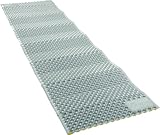
- Top Pick: Therm-a-Rest Z Lite Sol Camping and Backpacking Sleeping Pad, Limon/Silver, Regular – 20 x 72 Inches
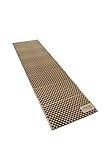
- Best Value: Therm-a-Rest Z Lite Original Camping and Backpacking Sleeping Pad | Ultralight, durable trail comfort with Z Lite Sleeping Pad
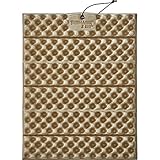
- Premium Choice: Therm-a-Rest Z Seat Cushion Insulated Sitting Pad, Coyote | Z Seat
The Therm-a-Rest NeoAir XLite NXT suits most backpackers who want a warm, light three-season inflatable pad, the NeoAir XTherm NXT suits cold-weather camping, and the Z Lite Sol foam pad suits anyone who wants something that cannot puncture. If you camp at LAN-free weekends away from your rig or carry a pack on trips between gaming events, the choice comes down to warmth, weight, packed size and durability.
As an Amazon Associate we earn from qualifying purchases at no extra cost to you.

At a glance
| Pad | Type | Best for | Stated strength | Limit |
|---|---|---|---|---|
| NeoAir XLite NXT | Inflatable | Three-season backpacking | High warmth-to-weight ratio, R-value in the mid range | Premium tier, can puncture |
| NeoAir XTherm NXT | Inflatable | Winter and cold shoulder seasons | Highest warmth in the NeoAir range | Heavier and bulkier |
| NeoAir Uberlite | Inflatable | Ultralight, warm weather | Among the lightest pads the maker offers | Thin material, lower warmth |
| NeoAir Topo Luxe | Inflatable | Comfort-first camping | Thicker, wider feel | Heavier, less compact |
| ProLite / ProLite Apex | Self-inflating | Budget-minded backpacking | Foam-filled, easier to repair | Heavier than NeoAir for the warmth |
| Z Lite Sol | Closed-cell foam | Puncture-proof backup, summer | Folds flat, nothing to inflate | Bulky outside the pack, thin |
| Ridgerest SOL | Closed-cell foam | Rugged trips, layering under another pad | Simple and durable | Stiff roll, modest warmth |
| MondoKing 3D | Self-inflating | Car camping | Thick and wide for comfort | Not for carrying far |
Specific R-values, weights and sizes differ by pad size and model year, so use the maker’s spec sheet for the exact figure on the size you choose. Outlets such as Outdoor Gear Lab and Switchback Travel regularly feature the XLite and XTherm lines among their top sleeping pads, though their rankings change as competitors release new models.
How to choose a Therm-a-Rest pad
Understand R-value
R-value measures resistance to heat flow into the ground. A higher number means warmer. Therm-a-Rest follows the ASTM standard, so R-values are comparable across brands that follow the same standard. Summer pads are often around 2, shoulder-season pads in the 3 to 5 range, and winter pads above 5. Pads can be stacked, since R-values add, so a foam pad under an inflatable is a classic cold-weather combination.
Match the pad type to how you camp
- Inflatable (NeoAir): lightest and most compact, most comfortable, but a thorn or sharp stick can ruin it. Carry the repair kit.
- Self-inflating (ProLite, Trail Lite, MondoKing): foam inside, so they insulate even if flat and are usually easier to patch.
- Closed-cell foam (Z Lite, Ridgerest): durable and cheap, with no failure modes, but thin.
Size and shape
Therm-a-Rest offers regular, regular wide, large and sometimes small sizes. Regular wide helps side sleepers and restless sleepers, while short and small sizes save weight if you tuck a pack under your legs. Taller sleepers need a long or large model to keep their feet insulated.
Thickness and noise
Thicker pads feel more comfortable for side sleepers. NeoAir pads use reflective layers for warmth, and some reviewers note a crinkly sound on certain models, which the maker has worked to reduce with its NXT generation. Light sleepers should read recent reviews on this point.
Valves and inflation
Modern NeoAir pads use a WingLock valve designed for fast inflating and deflating. A small pump sack sold with many models helps you avoid blowing moist breath into the pad, which can add moisture inside over a long trip.
Picks by budget tier
Budget tier: Z Lite Sol and Ridgerest SOL
Both are closed-cell foam. They are the least expensive way to insulate from the ground and they survive rough use. Reviewers often recommend them as a bomb-proof layer under an inflatable or as a summer pad.
Mid-range tier: ProLite and Trail Lite self-inflating pads
The self-inflating line sits in the middle. They weigh more than NeoAir pads but do not fail catastrophically and are friendlier to repair. They suit newer campers and car-to-trail trips.
Premium tier: NeoAir XLite NXT, XTherm NXT, Uberlite and Topo Luxe
The NeoAir range is built around low weight and small packed size. XLite NXT is the all-rounder, XTherm NXT adds cold-weather warmth, Uberlite trims weight further, and Topo Luxe focuses on comfort.
Pick X if…
| If you want | Pick |
|---|---|
| One pad for spring through autumn backpacking | NeoAir XLite NXT |
| Camping below freezing | NeoAir XTherm NXT, or a foam pad stacked under an inflatable |
| The lowest base weight in warm months | NeoAir Uberlite |
| A pad that tolerates rough use | Z Lite Sol or Ridgerest SOL |
| Comfort at the campsite | NeoAir Topo Luxe or MondoKing 3D |
| A lower-cost starter pad | ProLite |
Alternatives
- Sea to Summit Ether Light XT and Comfort Plus series. Well-regarded inflatable competitors with different baffle designs.
- Nemo Tensor and Big Agnes Rapide SL. Quiet-fabric inflatables that reviewers often compare directly with the NeoAir range.
- Klymit Static V. A simple budget inflatable for occasional use.
Common mistakes
- Choosing by weight alone, then sleeping cold because the R-value was too low.
- Skipping a ground sheet or footprint, which helps protect an inflatable from abrasion.
- Buying regular length when your feet hang off the end.
- Forgetting that a high-loft sleeping bag already compresses under you, so the pad provides most of the underside warmth.
- Storing a pad compressed with the valve closed. Follow the maker’s care instructions, which typically advise storing it loosely unrolled with the valve open.
Care and repair
Therm-a-Rest includes a patch kit with many inflatable pads and publishes instructions on its support pages. To find a slow leak, submerge the inflated pad or use soapy water and watch for bubbles. Keep the pad away from sharp rocks, thorn bushes and open flames, and do not leave an inflated pad in a hot car. Follow the maker’s warranty and care guidance if the pad delaminates or loses loft.
Frequently Asked Questions
What R-value do I need for three-season camping?
Many reviewers suggest a pad with an R-value of roughly 3 to 4 or higher for spring and autumn, with higher values for frost. Your own cold tolerance and sleeping bag matter too.
Is the XLite NXT warm enough for winter?
It is usually described as a three-season pad. For sustained sub-freezing temperatures the XTherm NXT or a stacked foam pad is a safer choice.
Will an inflatable pad puncture easily?
Modern fabrics are reasonably tough, but a sharp object can still cause a leak. Carry the supplied repair kit and use a groundsheet in rough terrain.
Can I stack two pads?
Yes. R-values add when you stack pads, so a foam pad under an inflatable is a common winter setup. It also protects the inflatable from the ground.
What size should I pick?
Regular suits most people up to about average height. Choose regular wide for shoulder room, or large if you are tall. The maker lists dimensions for each size.
Are foam pads still worth carrying?
Yes. They are light, cheap, durable and useful as a backup, a seat or a layer under an inflatable.







Write Your Review
No reviews yet. Be the first to share your experience!