
- Top Pick: Liquid-Plumr Pro-Strength Clog Destroyer, 80 fl. Oz. | Hair Clog Remover and Liquid Drain Cleaner, Safe for All Septic Systems and Pipes, 5 Gel Treatments
- Best Value: Drano Max Gel Drain Clog Remover & Cleaner, Safe for All Pipes/Septic, 32oz | Works on Tough Hair, Grease, Soap & Food Clogs, Cuts Through Standing Water, Protects Against Pipe Corrosion, Kitchen & Bath
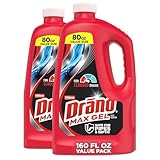
- Premium Choice: Drano Max Gel Drain Clog Remover and Cleaner for Shower or Sink Drains, 80 oz, 2 pack
For a slow sink or shower drain, a gel drain cleaner from a mainstream brand such as Drano Max Gel or Liquid-Plumr is the fastest chemical option, an enzyme or bacteria-based product such as Green Gobbler’s enzyme line suits regular maintenance and septic or older pipes, and a hair clog is often better handled with a plastic drain snake than with any liquid. Always read the label on the bottle, never mix drain products, and call a plumber if the water does not clear after one properly used treatment.
As an Amazon Associate we earn from qualifying purchases at no extra cost to you.



Drain cleaner types at a glance
| Type | Example products | Best for | Limits and cautions |
|---|---|---|---|
| Caustic or alkaline gel | Drano Max Gel, Liquid-Plumr Clog Destroyer | Hair and grease clogs in sinks, tubs and showers | Corrosive; gloves and eye protection required; not for every pipe or fixture |
| Bleach-based liquid | Some Liquid-Plumr and store-brand formulas | Organic buildup, odors | Never mix with other cleaners; strong fumes |
| Enzyme or bacteria cleaner | Green Gobbler enzyme products, other enzyme brands | Slow maintenance, septic-safe options, regular upkeep | Slow; may not clear a full blockage |
| Hair-dissolving product | Green Gobbler Dissolve Hair Clog Remover and similar | Bathroom drains with hair clogs | Read the label for pipe and septic suitability |
| Plastic drain snake or hook | Zip-It style tools | Pulling hair from shower and sink drains | Messy; useless for deeper or toilet clogs |
Formulas and names change. Use the maker’s product page and the label on the bottle to confirm the ingredients, the pipe types it lists and the required wait time.
Safety first
Liquid drain cleaners contain strong chemicals. The maker’s label is the authority, so read it before use. As general precautions, wear chemical-resistant gloves and eye protection, ventilate the room, keep children and pets away, and never mix one drain product with another cleaner, bleach or vinegar, since mixing can release hazardous fumes. Do not use a plunger or a snake after pouring a caustic product into standing water, because the liquid can splash. If a product touches skin or eyes or is swallowed, follow the first aid directions on the label and contact your local poison control center or emergency services.
Do not use chemical drain cleaners in a toilet unless the label says it is intended for that, and do not use them if you suspect a full blockage in the main line. Standing water, a gurgle in several fixtures or a backup in a floor drain suggest a problem beyond one sink, and that is a job for a licensed plumber.
How to choose
Know what is clogging the drain
Hair and soap scum are typical in tubs and showers, and grease, food scraps and coffee grounds are typical in kitchen sinks. Caustic gels tend to work on organic buildup; enzyme products are designed to digest organic matter slowly. Neither dissolves solid objects, tree roots or collapsed pipes.
Check pipe and fixture compatibility
Many labels list the pipes they are suitable for, and some warn against use in certain fixtures or with certain systems. If the plumbing is very old, made of unusual materials or connected to a septic tank, read the label carefully and consider an enzyme product or a mechanical approach. Some products are not suitable for garbage disposals or standing water in a sink with a disposal.
Speed versus gentleness
Caustic gels act in minutes according to the label’s directions. Enzyme products work over hours and are usually used overnight. If you need a drain open today, a gel is faster, but if you want to prevent the next clog, an enzyme maintenance product is gentler.
Bottle design
Thick gels sink through standing water and sit on the clog, and some products have child-resistant caps. A sealed, well-labeled bottle is a safety feature, so avoid unlabeled or decanted products.
Environmental and septic notes
Some makers label certain products as septic-safe or biodegradable. Treat these as statements from the maker and read the exact wording on the label.
Picks by situation
Slow shower or bath drain
Start with a plastic drain hook to pull out hair, since hair is the most common culprit. If that fails, a gel product such as Drano Max Gel or a hair-dissolving product from Green Gobbler may follow, used exactly as directed. Flush with the amount of water the label specifies.
Greasy kitchen sink
Liquid-Plumr and Drano list formulas for kitchen sinks, and enzyme products can help with ongoing grease buildup. Do not pour grease down the drain in the first place, since it hardens in cold pipes. Avoid combining a chemical product with a garbage disposal unless the label allows it.
Regular maintenance
Enzyme or bacteria-based products can be used monthly or as the label directs. They suit people who want to reduce odors and soft buildup, and they are commonly described by reviewers as slower but less harsh.
Older plumbing or a septic home
Prefer a mechanical tool, an enzyme product that lists septic suitability, or a plumber. A harsh product that is not listed for your system may harm pipes or beneficial bacteria in a septic tank, so check the label and your plumber’s advice.
Decision table
| Pick this if you want | Choose | Why |
|---|---|---|
| A fast chemical fix for a slow drain | Drano Max Gel or Liquid-Plumr gel | Gel formulas act on organic clogs within the label’s wait time |
| Hair removal in a tub or shower | Plastic drain hook, then a hair-dissolving product | Mechanical removal is safest and cheapest |
| Gentle monthly upkeep | Enzyme or bacteria cleaner | Slow digestion of buildup |
| Septic or older pipes | Septic-labeled enzyme product or a plumber | Avoids strong caustics that the label does not cover |
| No chemicals in the house | Hand snake or plunger | Purely mechanical |
| Repeated clogs in several drains | A licensed plumber | The problem may be in the main line |
Common mistakes
- Mixing two cleaners or following a gel with bleach or vinegar, which can create dangerous fumes.
- Using more product or leaving it longer than the label says in the hope that it will work better.
- Plunging or snaking after pouring in a caustic product.
- Repeating chemical treatments again and again instead of looking for a mechanical cause.
- Using a product that is not rated for the pipe type, the toilet or the disposal.
- Skipping protective gloves and eye protection.
Alternatives to liquid cleaners
- Plunger: a cup plunger on a sink or tub, with the overflow blocked, clears many minor blockages without chemicals.
- Drain snake or auger: a hand-cranked snake reaches deeper than a plastic hook, though it can scratch fixtures if used roughly.
- Disassembling the P-trap: placing a bucket under it and cleaning it out is a common do-it-yourself fix, but only attempt it if you are comfortable with basic plumbing.
- Wet-dry vacuum: some people use one to pull a clog out, following the vacuum maker’s instructions.
- A professional plumber: for recurring clogs, smells or backups.
Frequently Asked Questions
What is the best liquid drain cleaner for hair clogs?
Hair clogs are best pulled out with a plastic drain hook first. If you want a liquid, look for a product that states it dissolves hair, such as gel formulas from Drano or hair-dissolving products from Green Gobbler, and use it as the label directs. Wear gloves and eye protection.
Are enzyme drain cleaners as good as chemical ones?
They work differently. Enzyme products digest organic buildup slowly and are used for maintenance, while caustic gels aim to clear a clog quickly. For a fully blocked drain, enzyme cleaners may not be enough.
Can I use drain cleaner in a toilet?
Only if the label says the product is made for toilets. Many sink and tub formulas are not intended for toilet bowls. A toilet auger or a plunger is a safer first step, and a plumber should handle repeated clogs.
Is liquid drain cleaner safe for pipes and septic tanks?
That depends on the formula and the pipe. Labels list suitable pipe types, and some warn against use in specific systems. If you have a septic tank or old plumbing, read the label closely and consider asking a plumber.
Can I mix drain cleaner with vinegar or baking soda?
No. Do not mix a drain product with any other cleaner, bleach, vinegar or other chemicals. Mixing can release harmful gases or cause a reaction in the pipe.
When should I call a plumber?
Call one if the water does not drain after one correct treatment, if several fixtures are slow at once, or if sewage smells or backs up. These signs suggest a blockage deeper in the system that a bottle cannot reach.







Write Your Review
No reviews yet. Be the first to share your experience!