
- Top Pick: Bedsure Cooling Cotton Waffle Blanket for Hot Sleepers, Ivory, Queen | 50% cotton and 50% rayon derived from bamboo, lightweight soft summer & fall blanket, luxury throws for bed couch, 90"x90"
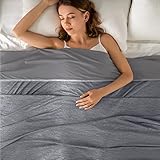
- Best Value: Cooling Blanket for Hot Sleepers, Summer Blanket Keep Cool for Night Sweats | Queen Size 90"x90" Breathable Soft Thin Cold Blankets for Bed Couch Sofa, (Dark Gray)
- Premium Choice: Topcee Cooling Blanket Queen Size 90"x90" for Hot Sleepers Summer Blanket | Absorbs Heat Cold Summer Blanket for Night Sweats & Menopause Q-Max>0.5 Lightweight Breathable Soft Double-Side Cooling
The best lightweight summer blanket is usually a breathable cotton, linen or bamboo-derived throw or coverlet, chosen by fabric and weave rather than brand: waffle or muslin cotton suits most sleepers, linen suits hot sleepers who like a crisp feel, and cooling fabrics such as bamboo viscose or Tencel suit people who want a silky drape. Makers such as Brooklinen, Parachute, Cozy Earth, Buffy, Bearaby and Utopia Bedding offer these styles at budget, mid-range and premium tiers.
As an Amazon Associate we earn from qualifying purchases at no extra cost to you.



Summer blanket types at a glance
| Type | Example makers | Best for | Limits |
|---|---|---|---|
| Cotton muslin or gauze | Parachute, Brooklinen, Utopia Bedding | Everyday light cover, soft and airy | Wrinkles and can feel thin |
| Waffle-weave cotton | Many bedding makers | Warm sleepers, textured look, good airflow | Pilling over time on lower grades |
| Linen | Parachute, Brooklinen, Quince-style direct brands | Hot, humid climates and crisp feel | Stiff at first, wrinkles, higher cost tier |
| Bamboo viscose or Tencel | Cozy Earth, Bedsure, Utopia Bedding | Silky, cool-to-touch feel | Needs gentle washing; claims vary by maker |
| Knit cotton chunky or breathable throw | Bearaby | Sofa and bed, textured look | Heavier than a muslin; check fiber and weight |
| Lightweight quilt or coverlet | Buffy, Brooklinen, Pottery Barn-style lines | Layering across seasons | Less airy than a single-layer throw |
Product lines change from season to season, so confirm size, fiber content and care instructions on the maker’s own page before buying.
How to choose a lightweight summer blanket
Fiber matters most
Natural fibers move moisture and heat away from the skin better than most polyester fleeces. Cotton is soft and easy to wash, linen is highly breathable and dries quickly, and bamboo viscose and Tencel lyocell, both cellulose-based fibers, are marketed as smooth and cool to the touch. Fabric descriptions can be loose, so check the fiber content label; a blanket described as bamboo may be a blend. Polyester microfiber can be soft but tends to hold more heat, which is why reviewers often steer hot sleepers away from it.
Weave and weight
A loose weave lets air pass. Muslin and gauze are made from loosely woven layers, waffle weaves create small pockets for airflow, and percale is a crisp, flat weave. Weight is often given in grams per square meter, or in ounces; lower numbers mean lighter and cooler. A summer blanket in the low weight range is more comfortable in a warm room than a standard comforter.
Size
Match the blanket to the bed or the sofa. A throw is typically sized for one person on a sofa, while twin through king sizes cover beds. Some couples prefer two individual blankets so that each person controls their own temperature.
Care and durability
Most cotton and muslin blankets are machine-washable and soften with washing. Linen also softens over time. Bamboo-derived and Tencel items often need cold or gentle cycles, and heat can damage them. Follow the care label, since a wrong wash can shrink or stiffen the fabric.
Certifications
Some makers list OEKO-TEX Standard 100 certification, which concerns tested textile content, or Global Organic Textile Standard for organic fibers. These are useful, but they describe materials, not comfort or cooling, so do not treat them as a guarantee that a blanket sleeps cool.
Picks by buyer
Hot sleepers
Linen and waffle-weave cotton are the usual suggestions from bedding reviewers. They hold little heat and dry quickly after a sweaty night. Pair the blanket with a breathable sheet; a heavy mattress topper or a thick pillow-top can still trap warmth underneath you.
People who want softness
Brushed or washed cotton muslin gives a gentle hand-feel from the first use. Brands such as Parachute and Brooklinen offer cotton gauze and muslin in multiple colors, and the maker pages describe the fiber and weave. Lightweight cotton is also a safe choice for people with sensitive skin, though anyone with a skin condition should follow their doctor’s advice on bedding.
Cool-to-touch fans
Cozy Earth and other makers offer bamboo viscose blankets and sheets that are marketed as silky and temperature-friendly. These feel smooth and drape well, though claims of cooling differ among makers, and independent reviewers sometimes find the difference modest compared with cotton or linen.
Budget buyers
Utopia Bedding, Bedsure and similar value brands offer lightweight cotton and blended blankets in the budget tier. They are practical for guest rooms, kids’ rooms and dorms, with the tradeoff that stitching and fabric density are often more basic.
Couples with different temperatures
Two lighter blankets in different weights, or a lightweight quilt for one person and a thin muslin for the other, usually works better than one thick cover. Some brands sell sets or split sizes for this reason.
Decision table
| Pick this if you want | Choose | Reason |
|---|---|---|
| Maximum airflow on warm nights | Linen or waffle cotton | Open weave and fast drying |
| Soft and easy care | Cotton muslin | Washes well, softens with use |
| A silky feel | Bamboo viscose or Tencel | Smooth drape, gentle wash needed |
| A sofa throw that is not heavy | Knit cotton or muslin throw | Decorative and breathable |
| Low spending | Value cotton blanket | Simple fabric, check fiber label |
| Year-round layering | Lightweight quilt or coverlet | Works alone in summer, adds warmth under a duvet |
Common mistakes
- Choosing by the word cooling on the listing without reading the fiber content.
- Buying polyester microfiber for a hot sleeper because it feels soft in the store.
- Ignoring the weight and assuming any blanket labeled summer is light.
- Washing linen or bamboo fabrics too hot and damaging them.
- Pairing a light blanket with heat-trapping sheets, a thick topper or a warm room and blaming the blanket.
- Skipping the size check and ending up with a blanket that does not cover the bed.
Alternatives
- A flat sheet alone: in the hottest weeks, a cotton or linen sheet may be all you need.
- A lightweight duvet insert: a summer-weight duvet with a washable cover offers a bedding-style feel.
- Cooling bedding systems: some mattress covers and devices circulate air or water. These are separate products with their own electrical and care guidance; follow the maker’s manual.
Frequently Asked Questions
What fabric is best for a summer blanket?
Cotton muslin, waffle-weave cotton and linen are the most commonly recommended choices for airflow. Bamboo viscose and Tencel feel smooth and are often marketed as cool. The right one depends on whether you want crispness, softness or a silky drape.
Are bamboo blankets cooler than cotton?
Makers often market them that way, and many people find them smooth and cool to the touch. Independent reviewers report that the actual difference in sleeping temperature can be small. Weave and weight usually matter as much as fiber.
How light should a summer blanket be?
Lighter is generally cooler, so look for blankets listed with a low weight and an open weave. A thin muslin or a single-layer coverlet is lighter than a quilt. The maker usually states the weight or fabric density on the product page.
Can I wash a lightweight blanket in a machine?
Cotton and muslin usually can be washed in a machine, while linen, bamboo and Tencel often need a gentle cycle and low heat. Always follow the care label. Washing before first use also removes finishing residues.
Is a throw blanket enough for a bed?
A throw is sized for sofas and may cover only part of a bed. For a full bed cover, buy the correct twin, queen or king size. A throw can still serve as an extra layer at the foot.
Why do I still feel hot under a light blanket?
Room temperature, humid air, a warm mattress and heat-trapping sheets all play a role. Try breathable sheets, better ventilation or a fan before blaming the blanket. If night sweats are persistent or unusual, speak with a doctor.





Write Your Review
No reviews yet. Be the first to share your experience!