
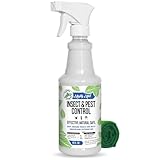
- Top Pick: STEM Kills Ants, Roaches and Flies: Plant-Based Active Ingredient Bug Spray, Botanical Insecticide for Indoor and Outdoor Use; 12 fl oz (Pack of 1)
- Best Value: Mighty Mint Peppermint Oil Insect Repellent Spray, 16 oz | Natural Indoor & Outdoor Bug Control for Spiders, Ants, Roaches, Plant-Based, Extra-Strong Formula with Microfiber Cloth
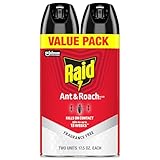
- Premium Choice: Raid Ant & Roach Killer Bug Spray, Fragrance Free, 17.5 oz, 2 Count | Kills Ants & Roaches on Contact, Keeps Killing For Up to 13 Weeks, For Home Use, No Lingering Chemical Odor
For ants inside the house, a liquid or gel bait suits most households because it targets the colony, while a ready-to-use indoor spray such as Raid Ant and Roach or Ortho Home Defense suits quick, visible trails and crack-and-crevice work. The trade-off is simple: sprays kill the ants you see within moments, baits take longer but can reach the nest, and many pest-control writers suggest using both in the right places.
Safety comes first. Read the full label on any product, keep it away from children, pets, food and food-prep surfaces as directed, and ventilate the room. If you have a large infestation, suspect carpenter ants in structural wood, or live with a person or animal who is vulnerable to pesticides, a licensed pest professional is the safer route.
As an Amazon Associate we earn from qualifying purchases at no extra cost to you.


Spray or bait: which fits your problem
| Situation | Better fit | Why |
|---|---|---|
| A few ants on the counter right now | Ready-to-use spray | Fast knockdown of what you can see |
| Steady trail returning daily | Liquid or gel bait | Workers carry the bait back, which is the goal of baiting |
| Ants entering via window or door gaps | Barrier-style indoor spray | Applied to labelled surfaces along entry points |
| Kitchen with children or pets | Enclosed bait stations | Keeps the active ingredient inside a tamper-resistant case |
| Wood damage or big winged ants indoors | Professional inspection | May signal carpenter ants or a termite swarm |
Products worth a look
| Product | Type | Best for | Limits |
|---|---|---|---|
| Raid Ant and Roach Killer | Aerosol spray | Fast kill on visible ants along baseboards and cracks, as labelled | Spray does not reach the nest; follow label for food areas |
| Ortho Home Defense Max | Indoor and outdoor spray with barrier use | Households wanting inside plus perimeter protection from one brand | Follow the label for approved indoor surfaces |
| Terro liquid ant baits | Liquid bait stations | Sugar-feeding ants such as common kitchen trail ants | Slower; not all ant species take the bait |
| Advion ant gel | Gel bait | Targeted placement in cracks and along trails | Needs patience and no competing food sources |
| Combat ant bait stations | Enclosed stations | Sealed placement near trails | Needs replacement as stations run out |
| Hot Shot or Black Flag ant sprays | Aerosol or trigger sprays | Budget-friendly quick kill | Formulations vary; read the label |
Product lines change names and formulas between years, so always read the front panel and the active ingredient list on the pack you actually buy. Lists from independent outlets such as Wirecutter, Consumer Reports and This Old House typically separate sprays for fast results from baits for colony control, which is the same logic used here.
How to choose
- Know what you are dealing with. Small sugar-seeking trail ants and grease-seeking ants respond differently to baits. If a sweet bait is ignored, the colony may want protein or fat instead.
- Check the label for indoor use. Some outdoor insecticides must never be used inside. The packaging states approved sites and application methods.
- Look at the container style. Aerosols reach cracks well but release more vapour; trigger sprays are easier to aim; baits keep chemicals contained.
- Consider scent and ventilation. Some sprays are labelled with a lighter odour. Ventilation is still advised.
- Match to occupants. If infants, pregnant people, pets, or fish tanks are in the home, ask a professional or a vet before using any pesticide indoors.
Pick X if you want this
| If you want … | Pick |
|---|---|
| Instant results on ants you can see | Raid Ant and Roach Killer or a similar aerosol |
| Inside and outside coverage in one line | Ortho Home Defense Max |
| To eliminate the colony behind a kitchen trail | Terro liquid baits or Advion gel |
| Containment around pets and children | Sealed bait stations such as Combat |
| Minimal chemicals | Soapy water and caulk on entry points, then a professional if ants persist |
A step-by-step approach that makes sprays and baits work
- Find the trail. Watch where ants enter and where they go. Wipe the path with a household cleaner to remove the scent markers that guide others.
- Remove competing food. Store sweets and pet food sealed, wipe crumbs and rinse sticky jars.
- Place bait on or beside the trail. Do not spray the same spot, because repellent residue can scare ants away from bait.
- Be patient. Bait feeding can last days, and a burst of ants at first is normal as they feed.
- Seal entry points. Caulk cracks around windows, pipes and baseboards to reduce re-entry.
- Use spray only where the label permits. Typical uses are cracks, crevices and baseboard edges, never on food surfaces.
Alternatives
- Diatomaceous earth (food-grade): a dry powder some homeowners place in dry voids. Avoid breathing the dust and follow the label.
- Soap-and-water spray: for a one-off cleanup of visible ants; it does not tackle the nest.
- Professional service: best for recurring infestations, many species or structural concerns.
Common mistakes
- Spraying baited trails and wondering why the bait is ignored.
- Using an outdoor-only product indoors.
- Ignoring the source, such as a leaking pipe or a nest in a wall void.
- Treating the same spot every day without removing food and sealing entry points.
- Mixing products, which the label may prohibit.
Reading the label before you buy
The front panel names the pests the product is registered for, and the back panel lists the active ingredient, approved application sites, re-entry instructions and first-aid details. Look for the word indoor in the use directions, note how long surfaces must stay dry, and keep the original container so poison-control staff can read it if someone is exposed. Store every product out of reach, away from food and in its original packaging.
Timing also matters. Ant activity rises in warm, wet weather, when colonies forage indoors for water. Treating early in a season, while a trail is small, usually takes less product and less effort than waiting until ants are in several rooms.
Frequently Asked Questions
What is the fastest indoor ant spray?
Aerosol or trigger sprays such as Raid Ant and Roach Killer act quickly on ants that contact them. They do not usually solve the root problem because the colony is elsewhere. Pair the spray with bait or sealing entry points.
Is ant bait better than spray?
Baits are generally favoured by pest-control guidance for long-term control because foraging ants carry them to the nest. They are slower, though. Sprays work better when you need an immediate result.
Are indoor ant sprays safe around pets?
Labels typically tell you to keep pets and children out until the surface has dried and the room has been ventilated, but requirements vary by product. Follow the exact label and ask your vet if your animal is small, young or has health conditions. Bait stations reduce contact when kept out of reach.
Why do ants keep coming back?
A surviving colony, easy food, moisture or open entry gaps will draw ants back. Treating only the visible workers rarely ends the problem. Cleaning, sealing and baiting together do more.
Can I use outdoor ant killer inside?
Only if the label says it is approved for indoor use. Many outdoor insecticides are not safe or legal to apply inside. When in doubt, choose a product clearly labelled for indoor use.
When should I call a professional?
Call one if ants return after repeated treatments, if you see large ants and sawdust-like material near wood, or if winged ants emerge indoors. These can indicate carpenter ants or termites. A licensed technician can identify the species and recommend a safe plan.







Write Your Review
No reviews yet. Be the first to share your experience!