
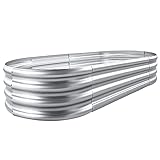
- Top Pick: Land Guard Galvanized Raised Garden Bed Kit, Galvanized Planter Garden Boxes Outdoor, Oval Large Metal Raised Garden Beds for Vegetables…………
- Best Value: Land Guard 2 Pack 4×2×1ft Galvanized Raised Garden Bed Outdoor, Heavy Duty Bottomless Metal Raised Planter Box for Vegetables, Flowers, Herbs, Backyard Patio Gardening, Silver
- Premium Choice: Rakukiri Raised Garden Bed GRS Certified Galvanized Planter Box Outdoor, 5ft Oval Rot-Resistant Metal Garden Bed Planter, Recycled Material Planter for Vegetables Flowers Herbs (Silver)
The best garden planter depends on what you grow and where it sits: metal modular raised planters such as Vego Garden beds suit vegetables and large plantings, self-watering planters suit busy owners, and lightweight resin or fibreglass pots suit balconies and patios. Match size, drainage and material to the plant first, and style second.
As an Amazon Associate we earn from qualifying purchases at no extra cost to you.


Planter Types at a Glance
| Type | Best for | Strengths | Limits |
|---|---|---|---|
| Modular metal raised bed (Vego Garden) | Vegetables, herbs, big displays | Modular sizes; maker lists 17 inch and 32 inch tall options | Soil volume needed; metal heats in sun |
| Self-watering planter | Tomatoes, herbs, forgetful waterers | Reservoir reduces watering frequency | Reservoir can clog; overwatering risk if not used right |
| Fibreglass or resin pot | Patio, balcony | Lightweight; weather resistant | Thin walls on budget items |
| Terracotta | Herbs, succulents | Breathable; classic look | Dries fast; can crack in frost |
| Wood planter box | Flowers, herbs, shrubs | Natural look; insulating | Rots without liner or treatment |
| Fabric grow bag | Potatoes, tomatoes | Aerated roots; storable | Dries quickly; needs frequent watering |
How to Choose a Garden Planter
Size and depth
Root depth drives the choice. Lettuce and herbs do fine in shallow containers, while tomatoes, peppers and root crops want more soil. Vego Garden lists tall options, with 17 inch and 32 inch heights in its modular beds, which is useful for deeper-rooted crops and for reducing bending. As a general rule, larger containers hold moisture longer and need watering less often.
Drainage
Every planter needs a route for excess water, or roots rot. Check for drainage holes or a drainage system. If a decorative pot lacks holes, use it as a cover for a plastic inner pot. Raise planters slightly off hard surfaces so water escapes.
Material
Metal is durable and modular. Terracotta breathes but dries quickly. Wood is insulating but needs care. Plastic and resin are light and cheap. Fibreglass is light and holds up outdoors. For growing edibles, check that the maker states food-safe materials and coatings, and use a liner if unsure.
Weight and portability
Large planters become very heavy when filled with wet soil. If you will move them, choose lighter materials or wheels. For roof terraces and balconies, check load limits with your building owner.
Climate and sun
In hot sun, dark metal can warm the soil. In freezing climates, terracotta can crack unless the maker says it is frost resistant. Insulating materials like wood or thick resin help roots.
Self-watering
Self-watering planters hold water in a reservoir that wicks to the soil. They help with thirsty crops and holidays, but still need monitoring. Vego lists self-watering options within its lines.
Vego Garden
Vego’s site lists Classic, Modern, Woodgrain and Elevated bed collections, built as modular metal raised beds. The maker offers colours including Olive Green, Modern Gray, Pearl White, British Green, Terra Cotta and Sky Blue. Beds come in configurations such as 9-in-1, and heights of 17 inches and 32 inches. The maker advertises a 100-day return policy. This range suits vegetable gardeners who want a tidy modular layout and tall beds. Confirm drainage details and warranty on the product page.
Other Planter Options
Lechuza is known for self-watering planters with a sub-irrigation system, which suits indoor and patio displays. Algreen and similar brands sell recycled-material planters and raised beds at budget and mid-range tiers. Mayne makes decorative fibreglass planters for entry spaces. Review each maker’s page for sizes, materials and care directions.
Pick This If
| If you | Pick |
|---|---|
| Grow vegetables and want a modular layout | A metal raised bed like Vego Garden |
| Water irregularly | A self-watering planter |
| Have a balcony with weight limits | Fibreglass or resin pots |
| Grow herbs and succulents | Terracotta |
| Want a natural look | A lined wood planter box |
| Want to grow potatoes or tomatoes cheaply | Fabric grow bags |
Soil and Planting Tips
Use a quality potting mix in containers, not garden soil, which compacts. In raised beds, a mix of compost, topsoil and a bulking material is common. Fill to a couple of inches below the rim to avoid overflow. Add a layer of mulch to reduce evaporation. Refresh the top layer each season and replace spent soil as needed.
Common Mistakes
- Choosing a planter that is too small, which dries out and stunts roots.
- No drainage holes.
- Placing metal planters in all-day hot sun with shallow soil.
- Using garden soil in pots.
- Skipping a liner in wooden boxes.
- Ignoring weight on balconies and decks.
- Leaving terracotta out in freezing weather unless it is frost resistant.
Budget Tiers
The budget tier includes plastic and basic fabric grow bags. Mid-range brings resin, wood and entry-level metal. The premium tier covers modular metal systems, self-watering designs and large fibreglass. Spend where size, drainage and longevity matter most.
Alternatives
For a no-purchase option, use food-safe buckets with drilled holes. Vertical planters and wall pockets save space on small balconies. Ground-level beds avoid container cost entirely if your soil is suitable.
Frequently Asked Questions
What size planter is best for vegetables?
It depends on the crop. Leafy greens and herbs do well in shallow containers, while tomatoes and root crops need more depth. Vego Garden lists beds at 17 inch and 32 inch heights. Larger containers hold moisture longer.
Are metal planters safe for edible plants?
Makers of raised beds sell them for vegetables, but check the maker’s statement on materials and coatings. If unsure, use a liner. Ask the maker for specifics.
Do planters need drainage holes?
Yes, or roots can rot. If a pot has no holes, use it as a cover for an inner pot with drainage. Raise it slightly to help water escape.
Are self-watering planters worth it?
They suit thirsty plants and busy owners. They still need monitoring and reservoir cleaning. They are not ideal for plants that prefer dry soil.
Which planter material lasts longest outdoors?
Metal and fibreglass are durable outdoors, while untreated wood can rot and terracotta can crack in frost. Check the maker’s weather rating. Maintenance helps any material last.
How do I stop planters overheating?
Use deeper soil, mulch and lighter colours, and move planters out of the hottest afternoon sun. Insulating materials like wood help. Water in the morning.
Care and Seasonal Upkeep
Containers dry out faster than ground soil, so check moisture with a finger before watering rather than following a fixed schedule. In summer, small pots may need daily attention while large raised beds can go longer. Feed container plants regularly, because frequent watering washes nutrients away. At season end, empty and rinse planters that held diseased plants, and store terracotta indoors if the maker does not list frost resistance. Wooden boxes benefit from a fresh coat of a plant-safe sealer every few years, following the product label.
Group planters by water needs. Herbs such as rosemary and thyme prefer drier soil, while basil, lettuce and tomatoes want steady moisture. Putting thirsty crops in a self-watering unit and drought-tolerant herbs in terracotta lets you match containers to plants and cuts down on wasted effort. Leave a few inches between pots for airflow, which reduces mildew and pests.





Write Your Review
No reviews yet. Be the first to share your experience!