
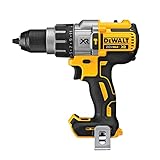
- Top Pick: DEWALT 20V MAX XR® Brushless Cordless 1/2 in. Hammer Drill (Tool Only) (DCD806B)
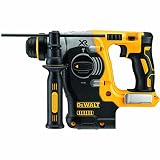
- Best Value: DEWALT 20V MAX SDS Rotary Hammer Drill, Cordless, 3 Application Modes, Bare Tool Only (DCH273B)
- Premium Choice: DEWALT 20V MAX XR Cordless Hammer Drill Driver Brushless, Heavy Duty 1/2", 3-Speed, Tool Only (DCD996B)
For most buyers, a compact 20V MAX XR brushless hammer drill such as the DCD805 or the similar compact XR line covers home, workshop and PC-desk projects, while the larger XR 1/2-inch models with three speed ranges and power-detect electronics suit people who drill masonry and large holes every week. Anything beyond occasional concrete work is better handled by an SDS-plus rotary hammer, because a hammer drill only taps lightly compared with a true hammer mechanism.
As an Amazon Associate we earn from qualifying purchases at no extra cost to you.


Quick Comparison of Current DeWalt Hammer Drill Families
DeWalt sells several generations side by side, and model numbers change often. The table below groups the lines by character instead of promising exact figures; the maker’s product page lists the current torque, speed and weight numbers for each variant.
| Family | Best for | Maker-stated traits | Limits |
|---|---|---|---|
| Compact XR brushless (for example DCD805 class) | Home owners, furniture, shelves, wall mounts | Brushless motor, 1/2-inch chuck, two-speed gearbox, LED light, some versions with Bluetooth tool connectivity | Less comfortable on large auger or hole-saw jobs |
| Full-size XR brushless (DCD99x class) | Contractors, deck and framing work | Higher torque rating, three-speed or advanced clutch, power-detect style electronics on higher trims | Heavier and longer, tiring overhead |
| Compact brushed (DCD7xx class) | Light use on a tight plan | Brushed motor, 1/2-inch chuck, hammer mode | Shorter runtime per charge, more motor wear over years |
| SDS-plus rotary hammer (DCH class) | Concrete anchors, many masonry holes | Real hammer mechanism, SDS-plus bits | Not designed for fine screw driving |
What “Hammer Drill” Actually Means
A hammer drill adds a clutch-style cam that pulses the chuck forward and back while it spins. That motion helps a carbide-tipped masonry bit chip brick, block and soft concrete. It is not the same as an SDS rotary hammer, which strikes with a piston. If the project list is mostly wood, drywall and metal, the hammer switch will rarely be used; if the list includes anchoring into poured concrete, plan for a rotary hammer rather than stretching a drill.
How to Choose Between Models
Torque and speed ranges
DeWalt rates torque in unit watts out (UWO), a power figure rather than a measurement of twisting force alone, so use it to compare DeWalt with DeWalt. Higher-rated drills drive long screws and big spade bits with less stalling. A two-speed gearbox is enough for general work; a third, faster range mainly benefits drilling small holes quickly.
Brushless versus brushed
Brushless motors are the standard on the XR line. The maker states longer runtime and longer motor life than brushed designs. For a tool that will be used for years, that difference matters more than a small price gap between tiers.
Size and weight
Compact drills fit between studs and inside cabinets. Full-size drills hold more torque but become fatiguing above shoulder height. Buy the smaller one if you do a lot of overhead and cabinet work.
Battery platform
The 20V MAX battery pack is shared across a wide family of DeWalt tools. A kit with a 2.0 Ah pack is lighter; a 4.0 or 5.0 Ah pack runs longer but adds weight. Reviewers often point out that a bare-tool purchase makes sense only if packs already sit in a drawer. FLEXVOLT packs also fit 20V MAX tools, though the tool will run at its own rated voltage.
Who Each Pick Suits
| Pick this if you… | Choose | Why |
|---|---|---|
| Build desks, mount monitors, hang shelves, assemble furniture | Compact XR brushless hammer drill kit | Light, fits tight spots, handles the occasional masonry anchor |
| Drill big holes in framing or run hole saws regularly | Full-size XR brushless hammer drill | More power reserve and a sturdier clutch |
| Want a cheap second drill for a garage | Compact brushed hammer drill | Lower tier, fine for light work |
| Anchor into concrete weekly | SDS-plus rotary hammer | Right tool for the job; hammer drills are slow in dense concrete |
| Already own other 20V MAX tools | Bare-tool version | Reuse packs and chargers |
Budget Tiers Without Prices
- Budget tier: compact brushed hammer drill kits. Acceptable for hobby use; plan on a shorter runtime.
- Mid-range: compact XR brushless kits with two batteries. This is where most buyers land, according to the usual reviewer consensus on DeWalt’s lineup.
- Premium: full-size XR brushless models, FLEXVOLT-oriented kits and electronics-assisted drills. Worth it for daily professional use.
Features Worth Paying For
- Metal ratcheting chuck: holds bits more firmly than plastic or slick designs and reduces slipping under load.
- Built-in LED: useful inside cabinets or PC cases being mounted under a desk.
- Belt hook: handy on a ladder.
- Clutch settings: many positions let you set screw depth on delicate work.
- Bluetooth tool connectivity (some variants): lets an app locate the tool or adjust settings; most buyers never need it.
Common Mistakes
- Expecting a hammer drill to chew through dense concrete as quickly as an SDS tool.
- Using standard twist bits in hammer mode instead of carbide-tipped masonry bits.
- Buying the full-size model when the jobs are cabinet and desk assembly.
- Judging battery life by amp-hours alone while ignoring weight.
- Skipping safety glasses and a dust mask, which matter when drilling masonry.
- Forgetting to check for hidden wires and pipes behind walls before drilling.
Alternatives to Consider
Milwaukee’s M18 FUEL hammer drills and Makita’s 18V LXT brushless hammer drivers cover the same ground, and reviewers frequently place them in the same tier as DeWalt’s XR line. The choice often comes down to which battery platform a buyer already owns. For occasional use, DeWalt’s own non-hammer XR drill/drivers are lighter and cheaper in the same family, and a corded hammer drill gives unlimited runtime for long masonry sessions.
Safety and Care
Wear eye protection and ear protection, clamp small workpieces, and keep your free hand away from the bit. Let batteries cool before charging if they feel hot, store them indoors, and use only the charger designed for the pack. Follow the manual’s instructions for hammer mode and for changing bits with the battery removed.
Frequently Asked Questions
Is a DeWalt hammer drill good enough for concrete?
It handles small anchor holes in block, brick and light concrete with the right carbide bit. For many holes or larger diameters, a rotary hammer works faster and with less effort. Use the hammer setting only with masonry bits.
Do 20V MAX and FLEXVOLT batteries mix?
The maker states that FLEXVOLT packs are compatible with 20V MAX tools, but a 20V MAX pack will not run a tool designed for higher voltage. Check the tool’s page for the exact pack list.
Is brushless worth it for home use?
Brushless motors waste less energy as heat, so the maker says runtime and motor life improve. For someone who uses a drill a few times a month, brushed is acceptable, but a brushless kit tends to feel more durable over the years.
What chuck size do I need?
A 1/2-inch chuck accepts larger shanks used by auger bits and hole saws and is standard on hammer drills. A 3/8-inch chuck is lighter but limits bit choice.
Can I use a hammer drill for screws?
Yes, with hammer mode off and the clutch set to a suitable number. Hammer mode is meant for masonry only and can damage fasteners and soft materials.
How many amp-hours do I need?
A smaller pack keeps the drill lighter and suits short jobs, while a larger pack suits long sessions. Buying a kit with two packs usually beats a single large pack.





Write Your Review
No reviews yet. Be the first to share your experience!