
- Top Pick: 2026 Upgraded Ultrasonic Pest Control Repeller, Indoor Mouse Repellent for Rat, Mice, Rodent, Roach,Cockroach, Insect, Mosquito Electronic Plug in Pest Control 6 Packs
- Best Value: Ultrasonic Pest Repeller | Indoor Use | 2 Pack | Insect & Rodent Repellent | 3 Modes Mouse Repellent | Covers Up to 1,500 sq ft per Device | Helps Repel Rats, Mice, Spiders, Roaches, Mosquitoes, Ants
- Premium Choice: 2026 Upgraded Ultrasonic Repeller Pest & Insect Indoor Repeller, 4 Pack | Pest Control for Roach, Rodent, Bugs, Mosquito, Mice, Spider, Ant, Electronic Plug in Mouse Repellent
Be careful with the category: independent evidence for plug-in ultrasonic and electromagnetic rodent repellers is weak, so the best electronic option for most people is an electronic trap rather than a repeller, with sealing entry points doing the heavy lifting. If you still want a repeller, treat it as a supplement for a small enclosed area such as a garage corner or a PC room, and never as the only line of defence for an active infestation.
As an Amazon Associate we earn from qualifying purchases at no extra cost to you.

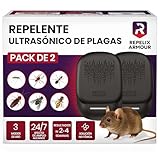


What Electronic Repellers Claim
Most devices emit ultrasonic sound, sometimes combined with an electromagnetic pulse that makers say travels through household wiring. They are sold as a plug-in solution for mice, rats and other pests. Makers describe coverage in square feet, but those figures are the maker’s claims. University extension services and pest control bodies have often reported that rodents can become accustomed to the sound and that results are inconsistent, and sound does not travel well around furniture, walls and boxes. Gamers who keep cables, boxes and PC cases in storage rooms or garages are often looking at exactly these spaces, so understanding the limits matters.
At a Glance
| Option | Best for | Key stated features | Limits |
|---|---|---|---|
| Victor electronic mouse and rat traps | Buyers who want an electronic, reusable option | Maker lists a battery-powered trap that delivers a high-voltage shock to the pest, with an indicator light | Needs bait and regular emptying; you must handle the dead animal |
| Plug-in ultrasonic repellers, such as Riddex or similar brands | Light, preventive use in small rooms | Maker lists ultrasonic output and sometimes electromagnetic modes | Weak independent support; line of sight and walls limit coverage |
| Solar or battery ultrasonic units for sheds and engine bays | Garages, sheds and parked vehicles | Maker lists motion or constant ultrasonic output with a battery or solar source | Same evidence caveats; weather exposure shortens life |
| Classic snap traps | Budget buyers who want a proven method | Mechanical trap with bait | Not electronic; handle carefully |
| Electronic bait station or smart trap with phone alerts | Buyers who want a notification when the trap fires | Maker lists app alerts on selected products | Premium tier; needs Wi-Fi or hub |
Brands and model lines change often. Read the maker’s current specification, safety and coverage notes before choosing.
How to Choose
Decide whether you want a repeller or a trap
A repeller tries to make a space unpleasant. A trap removes the animal. If you can hear scratching, find droppings or see gnaw marks, you have a present infestation, and a trap plus sealing is the more direct response.
Coverage claims
Maker-listed coverage figures assume open space. Boxes, shelves and walls can block sound, so treat the number as a best case and place a device in the room you want protected, not in a hallway.
Pets and household members
Ultrasonic sound can bother some small pets, such as hamsters, rabbits or guinea pigs, and some makers state this in the manual. Keep devices away from small animal enclosures, and ask your vet if you have concerns.
Electrical safety
Plug-in devices should carry the safety certification your region requires and be used as the manual describes. Do not use damaged units, and ask an electrician if outlets are loose or warm.
Power source
Plug-in units are convenient, battery units reach sheds or vehicles, and solar units suit outdoor spaces. Battery and solar types need maintenance.
Shock traps and safety
Electronic traps deliver a high voltage by design. Follow the maker’s instructions, keep them out of reach of children and pets, and use them only where the maker permits.
Pick X If… Decision Table
| If you… | Choose |
|---|---|
| Already have a rodent problem | An electronic or snap trap plus sealing entry points |
| Want a no-contact trap with an indicator | A battery-powered electronic trap from a known maker |
| Want to try a preventive device in a small room | An ultrasonic repeller, with realistic expectations |
| Have small pets | Avoid ultrasonic devices near them and read the manual |
| Need protection in a shed or car | A battery or solar unit, plus physical sealing |
| Want alerts on a phone | A smart trap that sends app notifications |
What Works Better Than Gadgets
- Seal gaps: Mice can squeeze through very small openings. Steel wool, metal mesh and sealant around pipes and vents stop entry.
- Remove food sources: Store pet food, bird seed and snacks in sealed containers.
- Reduce clutter: Boxes and piles give nesting cover, so keep storage tidy and off the floor.
- Cable and hardware protection: Rodents chew wiring, which can be a fire risk. If you suspect damage to wiring in a PC area or wall, have an electrician inspect it.
- Professional help: A pest control service can identify entry points and treat larger problems.
Common Mistakes
- Relying on a repeller alone for an active infestation.
- Placing devices behind furniture or in hallways.
- Ignoring entry points and food storage.
- Using ultrasonic units around small pets.
- Handling dead rodents without gloves; follow health guidance on safe disposal.
Frequently Asked Questions
Do electronic rodent repellers work?
Independent evidence is limited and mixed. Extension services and pest control sources often say rodents may get used to the sound, and results vary by home. Treat a repeller as a minor extra rather than a solution.
Is an electronic trap better than an ultrasonic repeller?
For an existing problem, a trap removes the animal, while a repeller only claims to discourage it. Many buyers find electronic traps more reliable, but they require bait and regular checking.
Are ultrasonic devices safe for pets?
Some small animals can hear the frequencies and may be distressed. Read the maker’s manual, keep the device away from their enclosures and ask a vet if unsure.
Where should I place a repeller?
Place it in an open spot in the room you want to protect, plugged into an outlet that is not covered by furniture. Do not use it as a substitute for sealing gaps.
How can I stop rodents chewing PC cables?
Seal entry points, remove food sources and use cable conduits or covers. If you find chewed wiring, stop using the circuit and ask an electrician to inspect it.
When should I call a professional?
Call a pest controller if you see repeated activity after trapping, find nests in walls or ceilings, or suspect damage to wiring. Large infestations are difficult to resolve with consumer devices.





Write Your Review
No reviews yet. Be the first to share your experience!