
For a car parked outside, the best cover material is a multi-layer polyester composite with UV stabilisation, a water-shedding outer face and a soft inner lining; for a car stored in a garage, a soft, breathable single or dual layer of polypropylene or cotton-style fabric is enough and kinder to paint. Guides from cover sellers largely agree on this split, although they are vendor-written rather than independent lab tests, so treat the details as general direction and read the maker’s own fabric description for the exact cover you are considering.
Because this site serves PC and gear owners, this guide also covers the questions enthusiasts tend to ask: protecting a project car or a prized vehicle in a shared garage, covering a car in a driveway, and avoiding the paint damage that a wrong cover can cause.
As an Amazon Associate we earn from qualifying purchases at no extra cost to you.

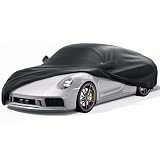
Car cover materials at a glance
| Material | Best for | Strengths | Limits |
|---|---|---|---|
| Multi-layer polyester (often Oxford-weave, coated) | Daily outdoor use, sun and rain | Tear strength, UV resistance, water shedding when coated | Heavier, costs more, needs a clean car to avoid trapped grit |
| Solution-dyed polyester | Strong sun, hot dry regions | Colour is part of the fibre so fading is slower | Less waterproof than coated composites in heavy rain |
| Non-woven polypropylene (multi-layer) | Mixed weather, humid or coastal climates, storage | Breathable, light, soft against paint | Less UV-durable than polyester, can wear faster in constant sun |
| Single-layer polypropylene | Indoor dust protection | Cheap, light, breathes | Minimal UV or impact protection outdoors |
| Cotton or flannel-lined fabric | Garage storage only | Very soft, breathable | Absorbs water, not for outdoor use |
| Reflective aluminised coatings | Heat and sun in arid areas | Reflects sunlight to reduce interior heat | Surface can scuff, not made for all-weather use |
Why layers matter more than the headline fabric
Most good outdoor covers are not one material. A typical structure, as described in seller guides, has an outer face for UV and water, a middle layer for breathability and padding, and a soft inner lining to protect paint. When a listing names only one fabric, ask what the inside touching your paint is made of, because that is the layer that does the cosmetic damage if it is rough or dirty.
Polyester versus polypropylene
Most sources report that polyester resists tearing and UV breakdown better, which is why it appears on the outside of outdoor covers. Polypropylene is light, soft and breathable, so it is popular for the inner or mid layers and for indoor or mild-weather covers. One older guide claims the opposite on waterproofing, which is a reminder to rely on the maker’s actual construction notes rather than a single article. Some designs combine both, using woven polyester outside and non-woven polypropylene inside.
Waterproof versus water-resistant
A fully waterproof fabric traps moisture beneath it, which can mean condensation sitting against paint. Breathable, water-resistant designs shed rain while letting vapour escape. This trade-off is the main reason many reviewers prefer breathable composites over plastic-like tarps. If the maker describes the cover as fully waterproof, check whether it also lists vents or breathable panels.
Match the material to the place you park
Driveway or street in strong sun
Choose UV-stabilised or solution-dyed polyester, ideally with a light colour that reflects heat. Reflective designs help with cabin temperature in arid regions, but they are less forgiving in storms.
Rain, snow and humidity
A multi-layer coated polyester or a multi-layer polypropylene with a water-shedding outer layer suits mixed weather. Humid and coastal areas favour breathability, since trapped moisture and salt air are the bigger concerns than direct sun.
Garage storage
Dust, scratches from passers-by and the odd tool bump are the real risks. A soft, breathable fabric such as polypropylene or cotton-style flannel is usually enough. A heavy outdoor composite is unnecessary and more awkward to fold.
Windy locations
Look for elastic hems, underbody straps or buckles, and grommets for a cable lock. A loose cover that flaps against paint in the wind can cause the very scuffing you are trying to prevent.
Fit matters as much as fabric
Custom or semi-custom fits follow body lines, include mirror pockets and stay put in wind. Universal covers are sized by length range and are easier to find, but they can billow. A cover that is too small strains seams and leaves bumpers exposed; one that is too large flaps. Use the maker’s size chart with your car’s overall length, width and height, and note roof racks, spoilers or lift kits, which can change the size you need.
Pick this if you…
| Situation | Choose | Reason |
|---|---|---|
| Park outside every day, mixed weather | Multi-layer coated polyester with soft lining | Balance of water shedding, UV and tear strength |
| Live somewhere very sunny and dry | Solution-dyed or reflective polyester | Fade resistance and heat reflection |
| Live in a damp or coastal area | Multi-layer breathable polypropylene | Moisture escapes, less trapped humidity |
| Store a car in a garage | Soft polypropylene or cotton-style cover | Gentle on paint, breathable, easy to handle |
| Cover a car you rarely wash | Wash first, then use a soft-lined cover | Grit under any cover scratches paint |
Alternatives to a full cover
- A carport or garage tent shields from sun and rain without touching paint at all, which suits long-term storage.
- A windshield sun shade and a partial cover for the hood and roof reduce UV on the surfaces that take the most exposure.
- A breathable indoor cover inside a rented or home garage when weather is not the main issue.
Common mistakes
- Putting a cover on a dirty car. Dust and grit act like sandpaper when wind moves the fabric.
- Using a non-breathable plastic tarp, which can hold moisture against the finish.
- Buying only by fabric name and ignoring the inner lining or the layer count.
- Choosing a universal cover that does not fit and then letting it flap in wind.
- Covering a hot engine or exhaust. Let the car cool first, and follow the cover maker’s care instructions on heat.
- Forgetting to remove and dry the cover when it gets wet, since a damp cover left on can promote mildew.
Care and storage
Follow the maker’s washing instructions; many covers can be hand-washed or rinsed while on the car. Dry fully before folding, store in the supplied bag and inspect seams and grommets for wear each season. A cover that has become brittle from UV or has torn seams should be replaced rather than patched, because loose edges can scratch paint.
Frequently Asked Questions
What is the best material for an outdoor car cover?
A multi-layer polyester composite with UV stabilisation, a water-shedding outer face and a soft inner lining is the most commonly recommended option. It balances tear strength, sun resistance and breathability. Always confirm the layers described by the maker.
Is polyester or polypropylene better?
Polyester generally resists UV and tearing better, so it suits outdoor use. Polypropylene is lighter and more breathable, so it suits storage and humid climates. Some covers use both in different layers.
Can a car cover damage paint?
Yes, if it is rough on the inside, ill-fitting or placed over a dirty car. Wind can move grit under the fabric and scratch the finish. A soft lining, a snug fit and a clean surface reduce the risk.
Should a car cover be waterproof?
Not completely. Water-resistant but breathable fabrics let moisture escape, which protects against condensation and mould. A fully sealed waterproof cover can trap humidity, so look for vents or breathable panels if it is marketed as waterproof.
Is a cover worth it for a garaged car?
It helps with dust and accidental scuffs, particularly in a shared garage. A soft, breathable indoor cover is enough. A heavy outdoor cover is not needed there.
How do I choose the right size?
Measure your car’s overall length, width and height and compare with the maker’s size chart, rounding to the better fit rather than guessing. Note accessories such as roof racks or spoilers. If you are between sizes, a semi-custom or custom fit often performs better than forcing a universal one.







Write Your Review
No reviews yet. Be the first to share your experience!