
- Top Pick: Giro Aerohead MIPS Bike Helmet – Black/Titanium Medium | Why We Like The Giro Aerohead MIPS Helmet
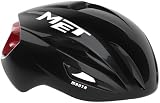
- Best Value: MET Manta MIPS Aero Road Bike Helmet | Lightweight Aerodynamic Cycling Helmet for Adults, Internal Air Channeling, MIPS-C2 Tech, Sunglasses Port (Black/Red Glossy, Medium)
- Premium Choice: Lumos Road Bike Helmet MIPS with Magnetic Light For Adult Road and Commuter | Lightweight Ventilation, Magnetic Bike Light, OptiGrip Eyewear Dock, Ultra Aero GT MIPS Protection
For most road riders the Specialized S-Works Evade 3 is the safest aero helmet to buy, the Kask Utopia Y and POC Procen Air suit riders chasing every watt, and the Van Rysel FCR suits anyone who wants aero shaping without a premium outlay. Time trial and triathlon riders are a separate group and belong in a dedicated shield-and-tail design such as the Giro Aerohead II.
As an Amazon Associate we earn from qualifying purchases at no extra cost to you.



Quick comparison of current aero helmets
The table summarises how reviewers and the makers describe each model. Wind tunnel numbers differ between outlets because test speed, yaw angle and head position change the result, so treat any single wattage figure as a rough guide rather than a promise.
| Helmet | Best for | What reviewers report | Limits |
|---|---|---|---|
| Specialized S-Works Evade 3 | All-round road racing and fast group rides | Cyclingnews names it a top road helmet; 220 Triathlon rates it best overall on its test for safety, aero and ventilation | Premium tier, costly to replace after a crash |
| Kask Utopia Y | Riders who want the lowest drag in a vented road shell | One independent wind tunnel roundup ranks it fastest of the road aero group at 40 km/h | Premium tier, fit is on the narrower side for some heads |
| POC Procen Air | Racers who like a built-in visor | BikeRadar picks it for performance; Cyclingnews found it strong with the visor fitted | Premium tier, ranking drops in head-down tests without the visor |
| Giro Aries Spherical | Riders prioritising crash protection technology plus aero | Appears among the top aero performers in several roundups | Premium tier |
| HJC Furion 2 | Mid-range buyers | 220 Triathlon placed it second fastest in its wind tunnel group | Less ventilation than open road shells |
| Van Rysel FCR | Budget-minded riders | BikeRadar calls it its best budget aero pick | Fewer fit and technology extras |
| Giro Aerohead II | Time trial and triathlon | Integrated shield and teardrop tail, minimal venting | Not a general road helmet, hot in slow climbs |
How much do aero helmets really save?
Independent tunnel tests usually place the gap between a conventional vented helmet and a good aero road helmet at a handful of watts at race speed. Cyclingnews reported roughly six watts of saving for the Evade 3 in its protocol, while another roundup put the Utopia Y near eight watts at 40 km/h. Reviewers also note that the difference among top aero models is often only one to three watts. That means fit, comfort and ventilation matter as much as the headline number for most riders.
Head position changes everything. A helmet that excels when you ride upright can fall down the order when you drop into a deep tuck, as Cyclingnews saw with the Procen Air between its two test protocols. If you spend most of a race on the hoods, an upright-tuned result is more relevant; if you spend long periods in the drops or on clip-ons, look at head-down data.
What to look for when choosing
Fit and head shape
Fit is the first filter. Brands cut their shells differently: some run rounder, others longer and narrower. Makers publish size charts by head circumference, usually in small, medium and large bands. Measure the widest part of your head above the eyebrows and ears and compare with the maker chart before ordering. A helmet that sits too high or rocks forward will lose any aero benefit and may be less protective.
Ventilation versus smooth shell
Fewer and smaller vents reduce drag but trap heat. The Evade 3 and Utopia Y try to balance this with internal channels. A shield-style helmet like the Aerohead II is faster in a tunnel yet punishing on hot climbs. Riders in warm climates or on hilly courses often do better with a semi-aero helmet.
Safety technology
Look for the safety standard marks your region requires. Several makers add rotational impact systems, such as MIPS or Giro’s Spherical construction, and the maker listings describe what each does. These systems are designed to reduce rotational forces, but no helmet prevents all injuries. Replace any helmet after a crash even when damage is not visible, and follow the manufacturer’s replacement guidance.
Eyewear and visors
Some helmets have a magnetic or clip-on visor. Others expect you to wear sunglasses with arms that slot cleanly beneath the shell. Check whether your preferred glasses fit with the helmet retention straps before buying.
Pick X if you…
| If you… | Pick | Why |
|---|---|---|
| Want one helmet for races and everyday fast rides | Specialized S-Works Evade 3 | Broad reviewer praise across aero, venting and safety |
| Compete and chase minimum drag | Kask Utopia Y | Leading tunnel result in an independent roundup |
| Like an integrated visor | POC Procen Air | Built-in visor, strong results with it fitted |
| Ride in hotter conditions | Evade 3 or a more vented semi-aero option | Better airflow than a closed shell |
| Have a limited budget | Van Rysel FCR | Aero shaping at a budget tier |
| Race triathlons or time trials | Giro Aerohead II | Shield and tail designed for tuck positions |
Budget tiers explained
Budget helmets such as the Van Rysel FCR give most of the aero shaping and are sensible for riders who want to try aero gear. The mid-range, where the HJC Furion 2 sits, adds better venting and tuned fit systems. The premium tier covers the Evade 3, Utopia Y, Procen Air and Aries Spherical, where gains are small but measurable, build quality is higher, and materials are lighter. Premium helmets are not always a better fit for you, so try before you buy when you can.
Alternatives worth a look
- Standard lightweight road helmets from Giro, Bell, Lazer and Met are cooler on long climbs and often a better pick if you ride mostly in hot, hilly terrain.
- Mid-priced semi-aero helmets from Abus and Scott add shaping without a closed shell.
- A gravel or endurance helmet with a visor is a more sensible choice for mixed surface riding where aero gains are negligible.
Common mistakes
- Buying on a single wind tunnel number without considering fit or heat.
- Ignoring the helmet’s age. Most makers advise replacing helmets after several years, and the maker’s guidance is the right reference.
- Choosing a time trial helmet for general road rides.
- Wearing the helmet too far back on the head, which exposes the forehead and reduces both aero and protection.
- Skipping the size chart and relying on a size label from another brand.
Care and replacement
Clean the pads with mild soap and water and let the helmet dry away from direct heat. Avoid solvents that can weaken foam or straps. Store it away from hot cars, and replace it after any significant impact. The maker’s manual lists the recommended lifespan and cleaning steps.
Frequently Asked Questions
Is an aero helmet worth it for a casual rider?
The savings are small at lower speeds, because drag rises sharply with speed. Casual riders under about 25 km/h will notice comfort and fit more than aerodynamics. If a helmet looks good and keeps you cool, that matters more than a few watts.
Are aero helmets hotter than regular ones?
Usually, yes, because they have fewer and smaller vents. Designs such as the Evade 3 use internal channels to reduce the penalty, and reviewers generally find them acceptable for most conditions. Hot, slow climbing is where a vented helmet shows its advantage.
Which helmet is best for a narrow or wide head?
It depends on the shell shape, not the brand name. Read the maker’s size chart and any shape notes from reviewers, then try the helmet in person if possible. Adjustable retention dials help, but they cannot fix a shell that is the wrong shape.
Do I need a visor?
A visor is optional. It can help with aerodynamics and shields the eyes, but it is another thing to store and may fog in cool, humid weather. Riders who already use sunglasses can skip it.
How often should I replace an aero helmet?
Replace it after any crash and when the maker advises, which is commonly several years after purchase. Foam and straps degrade with sweat, sun and age even without an impact. Follow the guidance printed in your helmet’s manual.
Can I use a time trial helmet on the road?
You can, but it is a poor fit for most riders. A shield and long tail suit a fixed tuck, and the limited ventilation can be uncomfortable. Many groups and events also restrict them, so a road aero helmet is usually the better choice.







Write Your Review
No reviews yet. Be the first to share your experience!