
- Top Pick: Eggssentials – Poached Egg Cups – Pack of 4 – BPA Free Silicone Egg Poacher Cups – Nonstick Poached Egg Cooker for Microwave, Stovetop, Baking – Easy to Clean Poaching Pods for Perfect Eggs
- Best Value: YomiFamily 4 Pack Silicone Egg Poacher Cups with Oil Brush, Gift Box | Nonstick Egg Poaching Cups, BPA Free, Ring Standers, Dishwasher Safe, for Stovetop, Microwave, Air Fryer, Baking oven
- Premium Choice: OXO Good Grips 2 Piece Silicone Egg Poaching Set | Poacher Cups Contains Egg While Cooking, Ideal for for Breakfast & Brunch ,Cups Invert For Easy Stoarge, Dishwasher Safe
For a quick breakfast at a desk or between gaming sessions, silicone egg poacher cups are the simplest choice, while a stainless steel poaching pan suits anyone who cooks eggs several times a week and wants cups that last for years. The right pick depends on whether you want a microwave shortcut, a stovetop routine or something that mimics true water poaching.
As an Amazon Associate we earn from qualifying purchases at no extra cost to you.

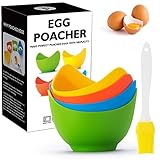


Egg Poacher Cups at a Glance
| Type | Examples named by reviewers | Best for | Main limit |
|---|---|---|---|
| Floating silicone cups | COZILIFE silicone poaching cups | Budget buyers, small kitchens, travel | Eggs can stick without a light coat of oil |
| Perforated silicone poachers | OXO Good Grips silicone egg poachers | People who want water to reach the egg | Needs a pot of simmering water |
| Stainless steel pan with cups | Excelsteel six-egg pan, Runzi three-ply pan, Eggssentials poacher | Families and frequent cooks | Larger to store, cups often use a nonstick coating |
| Premium stainless | Demeyere Resto | Long-term buyers who want a durable build | Premium tier cost |
| Microwave poachers | Various plastic dishes | Office or dorm use | Mixed reviews; some models rank poorly with buyers |
How Poacher Cups Actually Work
True poaching drops an egg into hot water. Cups change that method: the egg sits in a small container, and heat arrives through steam or through the container wall. Tasting Table and CT Post both note that cup-based results look neat and consistent, but an egg that never touches the water behaves more like a baked or steamed egg. The white is firmer and the shape is uniform, which many people prefer for sandwiches and toast.
Perforated designs such as the OXO Good Grips poachers are different. Small holes let water flow around the egg, so the texture lands closer to classic poaching while the cup still keeps the egg tidy.
Silicone Cups: The Budget Route
Silicone cups are lightweight, store flat or stacked, and cost far less than a pan set. The COZILIFE set appears in several roundups; the maker lists food-grade silicone rated from minus 40 to 405 degrees Fahrenheit. A reviewer at CT Post and SFGate called silicone cups a favourite and said they work much like a pan.
Trade-offs to know about:
- Sticking: some buyers report eggs clinging to the silicone even with light oil. A thin coat of cooking oil spray before cracking the egg is the common fix.
- Floppiness: soft cups can tip when full, so lift them with a spoon or tongs and keep the pot at a gentle simmer rather than a rolling boil.
- Staining and odor: silicone can pick up smells over time; hot soapy water or a dishwasher cycle, if the maker allows it, helps.
- Heat limits: use only within the temperature range the maker lists, and keep the cups off direct burner contact.
Stainless Steel Poaching Pans
A pan with a set of cups sits on the stovetop with a little water beneath. You cover it and let steam cook the eggs. Reviewers name the Excelsteel six-egg pan (18/10 stainless with a nonstick coating on each cup), the Runzi three-ply pan (room for four extra-large eggs) and the Eggssentials poacher. The Demeyere Resto is the premium pick in the Tasting Table style roundups, with 18/10 stainless and a long warranty stated by the maker.
Pans cook several eggs at once and suit a household, but they need more cupboard space and a lid that fits. Note that most stainless pans still use a nonstick coating inside the cups, so avoid metal utensils and abrasive pads.
Microwave Poachers
Microwave dishes are the fastest, with the lowest effort, but reviews are uneven. Foodie lists the KICOFIT microwaveable poacher among its worst-reviewed options. If you go this way, pierce the yolk as the maker instructs, because microwaved yolks can burst, and let the egg stand briefly before removing the dish.
Pick X If You Want Y
| Pick this | If you want |
|---|---|
| COZILIFE style floating silicone cups | The cheapest entry, one or two eggs, easy storage |
| OXO perforated silicone poachers | Texture closer to water-poached eggs |
| Excelsteel or Runzi stainless pan | Four to six eggs at once for a family |
| Eggssentials poacher | A well-reviewed stainless option for regular use |
| Demeyere Resto | A premium, long-term kitchen buy |
| Microwave dish | Speed above everything, in a shared office or dorm |
Features to Compare Before You Buy
Material
Food-grade silicone should be BPA-free and rated for the temperatures you plan to use. Stainless steel in the 18/10 grade is favoured for durability, but check whether the cups have a coating.
Capacity and size
Cups are sized for one large egg. If you cook extra-large or jumbo eggs, look for the maker to say so, as the Runzi pan does for four extra-large eggs. A wide pot is needed for floating cups so that several can sit without touching the walls.
Handles and lids
Pans need a snug lid so steam stays in. Silicone cups with a handle or lip are easier to lift out of hot water than plain bowl shapes.
Cleaning
Silicone is usually dishwasher friendly if the maker says so. Nonstick-coated steel cups should be washed gently by hand or as the manual directs.
Common Mistakes
- Skipping oil in silicone cups and then blaming the cup when the egg sticks.
- Boiling too hard, which tips floating cups and can splash water into the egg.
- Overcooking: the walls hold heat, so remove the egg as soon as the white is set if you like a runny yolk.
- Using scratchy tools on nonstick coatings.
- Ignoring the maker’s temperature limits for silicone and for the cookware surface.
Alternatives to Cups
If you do not want a dedicated gadget, a small fine mesh strainer removes the thinner part of the white and gives a tidy swirl-free egg in a normal saucepan. A silicone egg mold for baking in a muffin tin gives a similar shaped, firm-white result. A multi-cooker with a steam rack can cook eggs in batches if you already own one, following the maker’s egg guide.
Frequently Asked Questions
Are silicone poacher cups safe to use?
Silicone cups sold as food-grade are designed for cooking, and makers such as COZILIFE list a working temperature range. Stay inside the range, avoid direct flame contact and replace cups that tear or smell strongly after washing.
Do eggs in poacher cups count as truly poached?
Not strictly. Because the egg is held in a cup and does not touch the water, reviewers describe the result as closer to steamed or baked. Perforated designs such as the OXO poachers get closer to the classic result.
How do I stop eggs sticking?
A light coat of oil or cooking spray in the cup before adding the egg is the usual advice. Some buyers say eggs stick even then, so a stainless pan with a nonstick coating may suit you better.
Can I cook more than one egg at a time?
Yes. Silicone cup sets usually come in packs of two to four, and stainless pans hold four to six cups. Make sure your pot or pan is wide enough for the number of cups you use.
Are microwave poachers worth it?
They are fast and compact, but review quality varies and at least one model sits among the worst-reviewed in a Foodie roundup. Follow the maker’s instructions closely, including piercing the yolk, to reduce the risk of bursting.
How should I clean nonstick poacher cups?
Use a soft sponge and mild soap, and follow the manual on dishwasher use. Avoid metal utensils and abrasive scrubbers so the coating lasts.







Write Your Review
No reviews yet. Be the first to share your experience!