
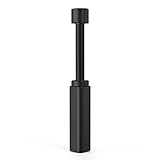
- Top Pick: GPU Support Bracket, Graphics Card Support, GPU Brace, Video Card Holder Bracket with Bottom Adhesive, GPU Stand, Adjustable Anti Sag GPU Stand 35-120mm, Support GPU 4090 Thickness Support up to 75mm
- Best Value: nkomax Graphics Card GPU Brace Support, Video Card Sag Holder Bracket, GPU Stand (L, 74-120mm)
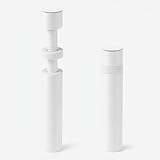
- Premium Choice: acer GPU Support Bracket, GPU Stand with Magnet Non-Slip Base,(L, 70-120mm) | Adjustable Graphics Card Holder, Video Card Sag Holder Bracket Fits Most Cases, Tool-Free GPU Brace
Once a graphics card passes a certain weight, the slot and the rear bracket carry a load they were never really designed for. Many current cards are long, thick, and heavy, and a visible droop at the far end is common in horizontal cases. A support bracket is a small, inexpensive piece of hardware that props the free end of the card, and the decision behind this keyword is picking the version that actually reaches your card, stands on a surface in your case, and does not block airflow.
This guide is for owners of large RTX and Radeon cards, builders moving a heavy GPU between cases, and anyone shipping a finished PC who wants the card held in place during transport. It looks at seven brackets using only what each title says about height ranges, base design, and fit. In 2026, the major cards keep growing, so adjustable range and base stability matter more than finish or color.
Quick Picks
As an Amazon Associate we earn from qualifying purchases at no extra cost to you.




| Product | Best for | Key spec from the title |
|---|---|---|
| GPU Support Bracket with Bottom Adhesive | Cases where the base needs to stay put | Bottom adhesive, adjustable, 35-120 range |
| nkomax GPU Brace Support | Mid-height gaps | L size, 74-120mm |
| acer GPU Support Bracket | Metal case floors | Magnet non-slip base, L, 70-120mm |
| Poeeytnek Heavy GPU Support Bracket | Lower, short gaps | 54-78mm, large base |
| upHere Adjustable Bracket | Newer heavy cards | 2 support modes, RTX 40/50, RX 7000/9000 |
| upHere Aluminum Dual Brace | Very heavy GPUs | Aluminum, dual brace, 128mm / 5.04in height |
| OwlTree GPU Support Bracket | Fan-side placement | Supports 12cm and 14cm fans, 0.24 to 4.92 inch |
How to Choose
Measure the gap before you buy
The most important number is the vertical distance between the underside of your card and the surface below it, whether that is the case floor, a PSU shroud, or a radiator. Measure it with the card installed, then compare it with the adjustable range printed in the title. Ranges here run from the 54-78mm band of a compact bracket up to 128mm and beyond, and the units differ between listings, so check the listing for millimeters versus inches. A bracket whose minimum is higher than your gap simply will not fit, and one stretched near its maximum can wobble.
Base design and where it sits
The base determines whether the bracket stays where you put it. A magnetic base grips a steel floor, a bottom adhesive pad bonds to the surface, and a wide rubber foot relies on friction. Metal-floor cases suit magnets, while plastic or glass shrouds suit adhesive pads. In a case with a PSU shroud, a flat spot at the right distance is rarely guaranteed, so confirm where the base will land relative to cable cutouts and vents. Never rest a bracket on top of exposed components or loose cables.
Contact point and airflow
Where the bracket touches the card matters as much as how tall it is. The best contact point is on the backplate or the sturdy shroud edge, not on a fan or a thin cooler fin. A bracket that sits under the fan intake can block incoming air, so look for slim, open designs or ones that sit near the end of the card. Some designs are described as fan-friendly with clearance for 12cm and 14cm fans, which is a useful sign. A soft rubber tip protects the finish and reduces vibration.
What to ignore, and where budget brackets cut corners
Ignore claims about holding a particular weight unless the listing states it, because card weights vary widely. Budget brackets often use thin threaded rods that loosen over time, or foam pads that compress. Premium designs generally add a locking mechanism, a metal body, and a base that stays flat. Also remember that a bracket is a support, not a fix for a bent PCB, and if a card shows damage or pressure marks, stop using it and contact the card maker. Always check the instructions with your exact card.
The 7 Best Options
GPU Support Bracket with Bottom Adhesive
This generic adjustable stand lists a bottom adhesive and a 35-120 range in the visible title, and it is described as an anti-sag GPU stand. The adhesive base is the selling point for anyone who has struggled to keep a free-standing prop from sliding when the case is moved or tilted for cable work.
- Strength: the bottom adhesive helps the base stay in place on a flat surface.
- Strength: the stated 35-120 range covers a wide span of case gaps.
- Trade-off: adhesive pads can be awkward to reposition, and the unit of the range should be confirmed on the listing.
Skip it if you plan to move the bracket between several cases, or if your case floor is uneven or textured, where adhesive may not bond well. Builders who change parts often may prefer a base they can lift and reposition without leaving residue behind.
nkomax Graphics Card GPU Brace Support
The nkomax brace is listed as a large size with a 74-120mm range, described as a video card sag holder bracket and GPU stand. The range sits in the middle of this group, which suits many standard mid-tower layouts.
- Strength: a 74-120mm range is stated clearly in millimeters.
- Strength: the large size suggests a stable footprint on the base.
- Trade-off: the title lists no base material or magnet, so check the listing for how it grips the floor.
Skip it if your gap is under 74mm, since the minimum height is above what a low-profile case provides. Buyers who want a magnet or an adhesive base should look elsewhere, and anyone with a very tall gap should confirm that the maximum height reaches the card without being stretched to its limit, which can make a stand less steady.
acer GPU Support Bracket with Magnet Base
The acer bracket uses a magnet non-slip base, comes in a large size with a 70-120mm range, and is described as an adjustable graphics card holder that fits most cards. The magnet suits steel case floors where a stable base is wanted without glue. For a PC that gets carried to LAN events or moved between rooms, a base that holds on contact is a practical convenience, as long as the surface below is actually magnetic.
- Strength: the magnetic base is designed to hold in place on steel surfaces.
- Strength: the 70-120mm range works for many mid-tower gaps.
- Trade-off: a magnet does nothing on plastic, glass, or aluminum surfaces, where it may not hold.
Skip it if your mounting surface is not steel. Read the listing for compatibility notes before assuming it fits your card and case, and keep the magnet away from loose storage drives or cards while installing it.
Poeeytnek Heavy GPU Support Bracket
This bracket is described for heavy cards with a 54-78mm range and a large base, labeled as a video card sag holder and graphics card stand. The lower range makes it a candidate for cases with a shorter gap between card and floor. Compact builds, small form factor towers, and layouts where a radiator or shroud sits close under the card are the typical places such a short bracket makes sense.
- Strength: the 54-78mm range fits low gaps that taller brackets cannot reach.
- Strength: a large base is named, which supports stability.
- Trade-off: the narrow range means little room for adjustment if the gap changes.
Skip it if your gap is over 78mm, since the maximum height will not reach the card. Measure with the card installed first, and keep the contact point on a sturdy part of the card rather than on a fan blade or thin fin.
upHere GPU Support Bracket with 2 Support Modes
This upHere bracket is written for heavy RTX 40 and 50 cards and RX 7000 and 9000 cards, and offers two support modes. The title highlights compatibility with newer generations, which signals that it is aimed at current large cards. Because the support modes change how the bracket meets the card, it is worth reading the listing to see which one suits a backplate versus a shroud edge.
- Strength: two support modes give more ways to match the contact point.
- Strength: the title names recent card families, which narrows the fit question.
- Trade-off: the visible title lists no height range, so check dimensions on the listing.
Skip it if you want a simple fixed prop, since two modes add a bit of setup. Confirm clearance around the cooler before installing.
upHere Aluminum Dual Brace GPU Support Bracket
This aluminum bracket uses a dual brace design for heavy GPUs, with adjustable height listed at 128mm or 5.04 inches in black. The dual brace spreads the load across two contact points, which suits a long, thick card that droops across a wide span rather than only at the very end.
- Strength: aluminum construction is stated, suggesting a sturdier body than plastic.
- Strength: the dual brace offers two points of support under a heavy card.
- Trade-off: a 128mm listing means it needs room, so low gaps may not fit.
Skip it if your case has limited clearance beneath the card. Look for the adjustable range on the listing before ordering, and compare the 128mm figure with your measured gap. Anyone who wants a very slim prop that disappears behind the card may prefer a single-post design instead.
OwlTree GPU Support Bracket
The OwlTree bracket is described as a graphics card stand and sag bracket that supports 12cm and 14cm fans, with a range of 0.24 to 4.92 inch. The fan note suggests a design that works in cases with fans near the card, such as a bottom-mounted intake or a front radiator that sits close to the GPU. That kind of placement flexibility helps when the flat spot under the card is limited.
- Strength: compatibility with 12cm and 14cm fans is named.
- Strength: the range is stated in inches, covering a broad span.
- Trade-off: inches are less convenient if you measure in millimeters, so convert carefully.
Skip it if you need a magnet or adhesive base, as the title lists neither. Because the range is in inches, convert your measured gap before ordering, and check the listing for how the base grips the floor, since the title does not say.
Which One Fits Your Situation
Your case has a steel floor
The acer bracket with a magnet non-slip base is the natural pick, and the 70-120mm range suits many mid-towers.
You have a short gap under the card
Try the Poeeytnek bracket at 54-78mm, which covers lower gaps that larger brackets cannot reach.
You own a very heavy new card
Consider the upHere Aluminum Dual Brace for a sturdier body, or the upHere 2-mode bracket for recent RTX and Radeon cards.
You want the base to stay put
The adhesive GPU Support Bracket sticks to a flat surface and covers a wide stated range.
Common Mistakes
- Measuring the gap with the card removed instead of installed.
- Propping the bracket against a fan or thin cooler fin.
- Over-tightening the bracket until it pushes the card upward in the slot.
- Using a magnetic base on a non-steel surface.
- Expecting a bracket to correct a card that is already bent.
Related guides
- Low Profile Nvidia Graphics Cards For Small Form Factor Pcs
- Why Is My Gpu Benchmark Score Lower Than Others
- Travel Backpack With Laptop Compartment
Frequently Asked Questions
Do all heavy cards need a bracket?
Not all of them. Some cards ship with their own support, and many cases include a holder. A bracket is optional hardware for cards that visibly droop.
Where should the bracket touch the card?
On the backplate or sturdy shroud edge, away from fans and thin fins. Check the instructions for your exact card.
Can a bracket block airflow?
Yes, if it sits under an intake fan. Slim designs or placement near the card’s end reduce the risk.
Is a magnetic base safe inside a PC?
Small magnets are common in PC hardware, but keep them away from loose storage media and follow the maker’s directions.



Write Your Review
No reviews yet. Be the first to share your experience!