
- Top Pick: ASUS Dual GeForce RTX 4060 Ti EVO OC Edition 8GB GDDR6 (PCIe 4.0, 8GB GDDR6, DLSS 3, HDMI 2.1a, DisplayPort 1.4a, Axial-tech Fan Design, Auto-Extreme Technology), 3 Year Warranty
- Best Value: GIGABYTE GeForce RTX 5060 Ti WINDFORCE OC 8G Graphics Card, 8GB 128-bit GDDR7, PCIe 5.0, WINDFORCE Cooling System, GV-N506TWF2OC-8GD Video Card
- Premium Choice: ASUS Dual GeForce RTX 5060 Ti 16GB GDDR7 OC Edition Gaming Graphics Card
The Nvidia RTX 4060 Ti sits in an awkward spot heading into 2026. It was the go-to recommendation for 1080p and light 1440p gaming, but the market around it has shifted. You now face 16GB variants alongside the original 8GB, newer 5060 Ti models at overlapping prices, and budget cards that undercut the entry point entirely. The concrete problem: you want a card that handles your current game library without overspending on memory you might not need, or buying a 4060 Ti and discovering the 8GB buffer fills faster than expected.
What separates a worthwhile RTX 4060 Ti from a regrettable purchase in this roundup comes down to three things: VRAM headroom (8GB versus 16GB), cooling quality relative to case compatibility, and whether the price still makes sense against the newer options sitting beside it in these listings. Owner feedback consistently flags thermal performance and fan noise as the difference between a card you enjoy and one you notice while gaming. Below we compare published specs, current street prices, and recurring owner reports to give you a clear picture of which model earns its slot.
As an Amazon Associate we earn from qualifying purchases at no extra cost to you.


Quick Picks
| Product | Best for | Price |
|---|---|---|
| ASUS Dual RTX 4060 Ti EVO OC 8GB | Balanced performance with reliable cooling | under $500 |
| GIGABYTE RTX 5060 Ti WINDFORCE OC 8G | PCIe 5.0 platform builders wanting GDDR7 | under $600 |
| ASUS Dual RTX 5060 Ti 16GB OC | 1440p gaming with future-proofed VRAM | under $800 |
| PNY RTX 4060 Ti 8GB Verto OC | Strict budget buyers targeting 1080p | under $400 |
| ASUS TUF RTX 5060 Ti 8GB OC | Durability-focused builds in tight cases | under $700 |
| ZOTAC RTX 4060 Ti Twin Edge OC White | White-themed compact builds with RGB | $529 |
| MSI RTX 4060 Ti Ventus 3X 16G OC | Memory-heavy workloads and 1440p gaming | under $1,000 |
| ASUS Dual RTX 3050 6GB OC | Entry-level upgrades from older hardware | under $300 |
How We Picked
We narrowed this list using four criteria that consistently separate strong RTX 4060 Ti purchases from mediocre ones: VRAM capacity relative to the price point (8GB models must offer a clear cost advantage to justify skipping 16GB), cooling design as reported by owners over months of use rather than marketing claims, PCIe and display connectivity that matches your platform’s generation, and warranty length paired with brand support history. A card that runs quiet in a mid-tower but chokes in a small form factor is only half-useful, so we weighted thermal feedback from owners alongside spec sheets.
The 8 Best Nvidia RTX 4060 Ti in 2026
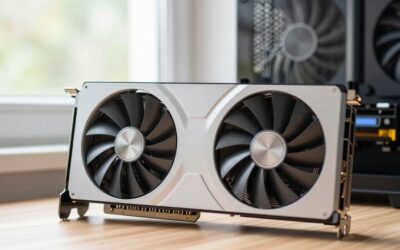
ASUS Dual GeForce RTX 4060 Ti EVO OC Edition 8GB
This card targets the 1080p-to-entry-1440p gamer who wants a proven architecture without paying a premium. ASUS’s Axial-tech fans and Auto-Extreme manufacturing give it a reputation for quiet operation that owners consistently confirm in forum threads. The DLSS 3 support extends its relevance in newer titles, and the three-year warranty provides reassurance for a mid-range purchase. The PCIe 4.0 interface and GDDR6 memory define its ceiling, though, making it a less compelling choice if you build on a newer platform and could step up to GDDR7 alternatives.
- Axial-tech fan design keeps noise low under sustained load
- Auto-Extreme Technology reduces manufacturing variability and supports long-term reliability
- 8GB VRAM limits headroom in the most demanding current titles at higher settings
GIGABYTE GeForce RTX 5060 Ti WINDFORCE OC 8G
This is not an RTX 4060 Ti but appears in this roundup because its price sits within a single dollar of the ASUS 4060 Ti option above. If your platform supports PCIe 5.0 and you value GDDR7 bandwidth over the 4060 Ti’s established driver maturity, this card represents a generational jump at nearly the same cost. Owner feedback highlights the WINDFORCE cooling system’s adequacy for the 8GB configuration, though thermal reports are thinner given the card’s recency. Buyers locked into a 40-series ecosystem or who need a longer support track record may prefer to stay with the 4060 Ti.
- GDDR7 memory and PCIe 5.0 interface provide bandwidth advantages over GDDR6 competitors
- Price sits nearly identical to the 4060 Ti while offering newer architecture
- Only 8GB VRAM despite the newer generation, limiting its advantage over some 4060 Ti 16GB cards
ASUS Dual GeForce RTX 5060 Ti 16GB OC
For 1440p gamers who want to run memory-hungry titles at high settings without stutter, this card solves a specific problem the 8GB 4060 Ti cannot: VRAM exhaustion. The 16GB GDDR7 configuration pairs newer architecture with adequate memory capacity, and the OC variant from ASUS carries their typical build quality. For under $800 it costs significantly more than a 4060 Ti, so you are buying peace of mind rather than raw value. If your monitor is 1080p and your settings are not pushed to ultra, you are paying for capacity you will not fully utilize.
- 16GB GDDR7 eliminates VRAM constraints that limit the 8GB 4060 Ti in demanding titles
- Newer architecture delivers efficiency gains per watt over the 40-series equivalent
- Premium price means it costs far more than any 4060 Ti variant while serving similar frame targets
PNY GeForce RTX 4060 Ti 8GB Verto OC Dual Fan
For under $400 this is the cheapest way to own an RTX 4060 Ti in this comparison, and PNY keeps the design simple: dual fans, 128-bit GDDR6, DLSS 3, and a compact two-slot profile. It suits budget-conscious buyers who want 4060 Ti raster performance and DLSS 3 frame generation without paying for RGB or premium cooling. Owner reports note adequate but unremarkable thermals and no standout acoustic performance. Skip this if you plan to push 1440p ultrawide or run texture-heavy mods that consume VRAM quickly.
- Lowest price among all RTX 4060 Ti models here, making it the value entry point
- Compact two-slot design fits smaller cases without clearance issues
- Dual-fan cooling runs louder under sustained load compared to triple-fan alternatives
ASUS TUF Gaming GeForce RTX 5060 Ti 8GB OC
ASUS positions the TUF line for durability with military-grade components and a beefier cooler than the Dual series. The 8GB GDDR7 configuration is the same memory capacity as the 4060 Ti options in this roundup, so you are paying under $700 primarily for the newer GPU architecture and the TUF build quality. Owners in compact SFF cases report favorable temperatures thanks to the larger heatsink. This card makes the most sense if you want a 50-series GPU but the 16GB Dual model is overkill for your display and settings choices.
- TUF cooling system runs cooler and quieter than Dual-series equivalents in the same power envelope
- PCIe 5.0 readiness on a future-proof platform
- Only 8GB VRAM at a price that approaches 16GB 4060 Ti cards from other brands
ZOTAC Gaming GeForce RTX 4060 Ti 8GB Twin Edge OC White Edition
ZOTAC’s White Edition appeals directly to builders going for a clean white aesthetic without aftermarket shrouds. The IceStorm 2.0 cooling and Spectra RGB lighting give it visual personality, and the compact form factor means it fits where bulkier cards cannot. At $529 it costs slightly more than the ASUS Dual but offers a distinct look. Owner feedback confirms it runs within thermal limits but note that the compact cooler leaves less margin for quiet operation in poorly ventilated cases. Skip if your case has restricted airflow and you prioritize silence.
- White design and RGB lighting integrate into themed builds without modification
- IceStorm 2.0 cooling handles the 4060 Ti’s power draw adequately for a compact card
- Priced above two other 4060 Ti 8GB options in this list while offering no performance advantage
MSI GeForce RTX 4060 Ti Ventus 3X 16G OC
The 16GB variant of the 4060 Ti addresses the VRAM concern that plagued the original 8GB launch. MSI’s Ventus 3X triple-fan cooler keeps thermals manageable even under sustained 1440p loads. For under $1,000, however, this card occupies a difficult pricing tier: newer 5060 Ti 16GB models cost less, and the 4060 Ti’s raster performance ceiling is simply lower than what the 50-series achieves. It still serves buyers who want 16GB on a platform without PCIe 5.0, but the price demands careful consideration.
- 16GB GDDR6 provides substantial VRAM headroom for texture-heavy games and creative workloads
- Ventus 3X triple-fan design keeps operating temperatures low during extended sessions
- Highest price in this list despite an older architecture with lower peak performance than newer cards
ASUS Dual GeForce RTX 3050 6GB OC
Included here as a floor reference point, the RTX 3050 6GB for under $300 does not compete with any 4060 Ti in this roundup. It serves a different buyer entirely: someone upgrading from an integrated GPU or a very old discrete card who needs basic 1080p output without significant investment. Six gigabytes of GDDR6 and the Ampere architecture place it well below the 4060 Ti in every meaningful metric. Consider this only if the 4060 Ti price tier is genuinely out of reach and you accept reduced performance as a trade-off.
- Significantly cheaper than any other card in this list
- ASUS build quality and warranty apply to a low-cost product
- 6GB VRAM and last-generation architecture limit it to basic gaming that the 4060 Ti handles effortlessly
Buying Guide
VRAM: 8GB vs 16GB
Eight gigabytes remains functional for 1080p gaming today, but the line between comfortable and uncomfortable is blurring as newer titles target 12GB or higher at ultra settings. If your primary resolution is 1080p and you run high rather than ultra textures, an 8GB RTX 4060 Ti works fine and saves real money. At 1440p, especially with modded games or heavy texture packs, 16GB becomes the safer choice. Compare the per-gigabyte cost between the 8GB and 16GB options in this list against your actual play habits before committing.
Cooling Design and Case Fit
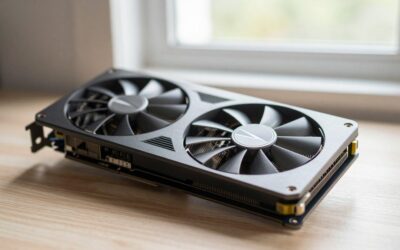
Dual-fan cards like the PNY and ZOTAC fit compact cases but run warmer and louder under load. Triple-fan designs such as the MSI Ventus 3X demand more clearance but keep temperatures low enough for near-silent operation. The ASUS Axial-tech fans occupy a middle ground that owners describe as quiet without requiring a full-tower case. Check your case’s GPU clearance in millimeters before purchasing, because a card that thermally throttles due to poor airflow wastes the cooling design you paid for.
Platform Compatibility: PCIe Generation and Display Outputs
PCIe 4.0 is sufficient for all RTX 4060 Ti cards and will not bottleneck them even on PCIe 5.0 motherboards. However, if you are building on a new platform that supports PCIe 5.0, a 5060 Ti card with GDDR7 gains measurable bandwidth. Display output matters for multi-monitor setups: HDMI 2.1a and DisplayPort 1.4a are the standards to verify against your monitor inputs, especially if you need VRR or high refresh rates at 4K. Confirm which ports each model provides before ordering.
Our Verdict
The top pick in this roundup is the ASUS Dual GeForce RTX 4060 Ti EVO OC Edition 8GB for under $500. It balances cooling quality, warranty support, and DLSS 3 access at a price that sits below newer alternatives while still handling 1080p comfortably. The PNY Verto OC is the clear budget pick for under $400 if you need 4060 Ti performance at the lowest cost and do not mind slightly louder fans. The exception that overrides both: if your monitor is 1440p or you run modded games with high-res texture packs, the ASUS Dual RTX 5060 Ti 16GB for under $800 wins because no 8GB card in this list can sustain smooth frame times under those conditions.
FAQ
Is the RTX 4060 Ti still a good buy in 2026?
Yes, at the right price and the right resolution. An 8GB 4060 Ti under $500 handles 1080p gaming well with DLSS 3 support extending its viability. At higher prices, you should compare it directly against 5060 Ti alternatives that may cost similar amounts.
How much does 8GB versus 16GB VRAM actually matter for gaming?
At 1080p with high textures, 8GB remains adequate for most current titles. At 1440p or with modded games using 4K texture packs, you will hit the VRAM ceiling and see stuttering or forced texture downgrades. The price gap between 8GB and 16GB models in this list is substantial, so the decision depends on your settings targets.
Should I buy a 4060 Ti or a 5060 Ti if the prices are close?
If both offer 8GB and the 5060 Ti costs under $20 more, the 50-series card likely delivers better architecture and efficiency. However, the 5060 Ti’s driver maturity and owner thermal data are thinner, so some buyers still prefer the proven 4060 Ti for peace of mind during the first year of a new GPU generation.
Does the RTX 4060 Ti need a powerful power supply?
No. The RTX 4060 Ti draws modest power for its performance tier, and most mid-range 550W power supplies handle it without issue. The primary power consideration is that newer 5060 Ti cards in this list may have different connector requirements, so check whether your current supply includes the needed cable.



Write Your Review
No reviews yet. Be the first to share your experience!