
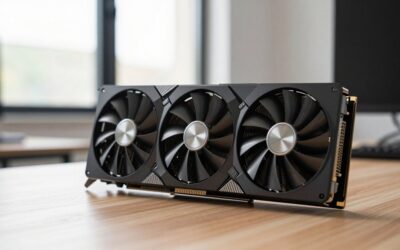
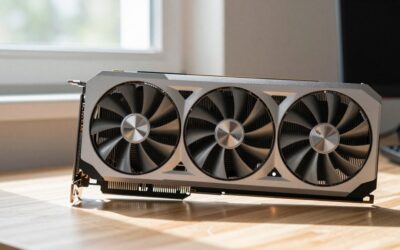
- Top Pick: GIGABYTE Radeon™ RX 9070 XT Gaming OC ICE 16G Graphics Card (16GB GDDR6, 256-bit, PCIe 5.0, HDMI/DP 2.1, 2.7 Slot, Hawk Fan, Server-Grade Thermal Gel, Reinforced Structure)
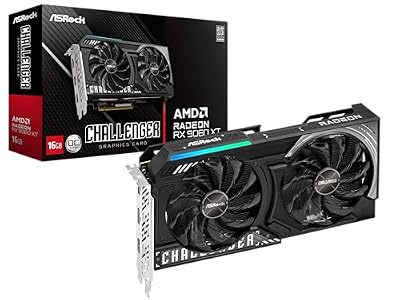
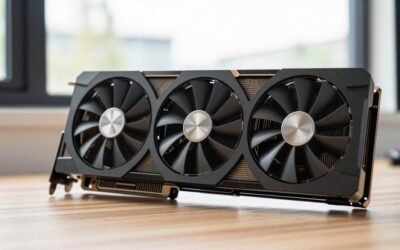
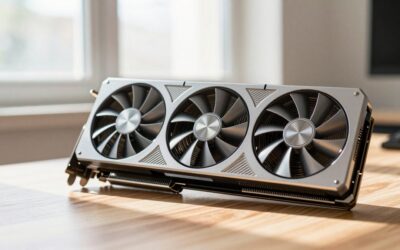
- Best Value: ASRock Radeon RX 9060 XT Challenger 16GB OC, RDNA 4, 3290MHz Boost, 16GB GDDR6 128-bit, PCIe 5.0, Dual Fans, 0dB Silent, LED Indicator, DisplayPort 2.1a, HDMI 2.1b
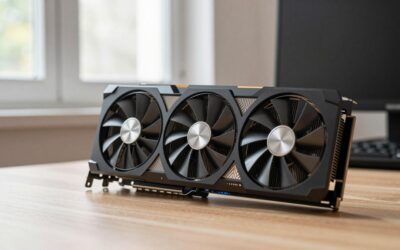
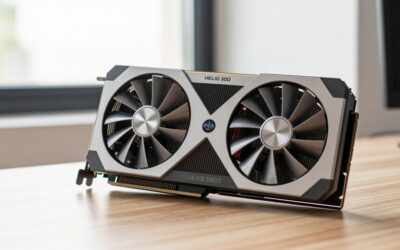
- Premium Choice: MOUGOL AMD Radeon RX 580 8GB GDDR5 Gaming Graphics Card HDMI/DP/DVI – White
cheap gpu for gaming hunting is harder than it should be, because prices move constantly and every card claims to be a great value. This guide cuts through the noise with a shortlist of the best budget graphics cards you can actually buy right now, ranked by real performance, VRAM, features, and price. Whether you game at 1080p or want to stretch into 1440p, the picks below are chosen to give you the most frames per dollar. Every card here balances real performance, memory, and features against price, so you can buy with confidence instead of guesswork.


Save under $50
The Best Cheap GPU for Gaming at a Glance
If you want the short version, here are the quick picks for different budgets and needs. Each of these cards earns its place by delivering strong performance for the money, and the detailed reviews further down the page explain exactly why each one made the cut. Use this section to narrow your choice fast, and then read on below for the full breakdown of how each card actually performs and where it fits best.
As an Amazon Associate we earn from qualifying purchases at no extra cost to you.


| Quick Pick | Card | Why |
|---|---|---|
| Best overall budget | RX 9060 XT 16GB | 16GB buffer, strong 1080p and 1440p value |
| Best value | Intel Arc B580 12GB | 12GB and solid features for a low price |
| Best efficiency and DLSS | RTX 5060 | Low power, DLSS 4, great 1080p |
| Best for budget 1440p | RTX 5060 Ti 16GB | 16GB and DLSS 4 for smooth 1440p |
These four cover the vast majority of budget gamers, from the tightest 1080p build to a value-focused 1440p rig, and each has earned its spot through a strong blend of price and real-world performance. The rest of this guide explains how they compare and which one fits your exact setup, from the games you play to the monitor you own.
Best overall budget: RX 9060 XT 16GB
The RX 9060 XT 16GB is the standout all-rounder, pairing a modern RDNA 4 design with a generous 16GB frame buffer at roughly 349 dollars. That buffer is rare in this price class and is exactly what keeps the card smooth in modern games that punish 8GB rivals, giving it a real edge in longevity over cheaper cards with less memory.
It delivers high frame rates at 1080p and a genuinely capable 1440p experience, especially with FSR 4 upscaling enabled. For most budget gamers who want one card to last several years, it is the easiest recommendation on this list.
It also runs cool and quiet on a modest power supply, so it drops into almost any budget build without forcing an expensive upgrade elsewhere, which adds to its appeal as a no-fuss all-rounder.
Best value: Intel Arc B580 12GB
The Intel Arc B580 12GB is the value dark horse, offering 12GB of memory and respectable ray-tracing performance for around 249 dollars. That capacity and price combination undercuts much of the competition and makes it a compelling entry point.
It performs well at 1080p and handles lighter 1440p, with Intel’s XeSS upscaling helping in supported games. Driver maturity has improved steadily, so for a strict budget build, the B580 delivers a lot of card for very little money and stands out as the value leader of this list.
Best for budget 1440p: RTX 5060 Ti 16GB
If your goal is smooth 1440p without spending big, the RTX 5060 Ti 16GB at around 429 dollars is the pick. Its 16GB buffer and DLSS 4 with Multi Frame Generation give it the memory and software to hold high settings at 1440p.
It is the most expensive card here, but it buys real 1440p longevity and Nvidia’s strong upscaling ecosystem. For a budget gamer who wants to step up a resolution and keep the card for years, it is worth the stretch, since the extra memory pays off as games grow more demanding.
Paired with a 1440p monitor, it holds high settings smoothly in most titles, giving you a resolution bump that feels like a real upgrade over a 1080p-only card.
Comparison Table and How to Choose
Numbers make the choice clearer than adjectives, so here is how the shortlist compares on the specs that matter most for a budget build. After the table, the criteria below explain how to weigh these cards against your own needs.
| Card | VRAM | Approx price | Best resolution |
|---|---|---|---|
| RX 9060 XT 16GB | 16GB | ~349 dollars | 1080p and 1440p |
| Intel Arc B580 12GB | 12GB | ~249 dollars | 1080p, light 1440p |
| RTX 5060 | 8GB | ~299 dollars | 1080p |
| RTX 5060 Ti 16GB | 16GB | ~429 dollars | 1440p |
VRAM: why the buffer matters
The single most important spec for a cheap gaming GPU today is VRAM, because modern games increasingly demand more than 8GB at high settings. A card with 16GB, or at least 12GB, avoids the texture pop-in and stutter that plague 8GB cards in the newest titles.
This is why the RX 9060 XT 16GB and the Arc B580 12GB rank so highly for longevity. If you plan to keep your card for several years, prioritizing the buffer over a small raw-speed advantage is the smarter long-term move.
An 8GB card like the RTX 5060 is still excellent at 1080p, where memory demands are lower, but it is the resolution ceiling you should keep in mind when you buy.
Resolution and refresh rate targets
Match the card to your monitor first, because that decides how much GPU you actually need. For a 1080p panel, any card on this list performs well, and the cheaper picks make the most sense.
For 1440p, lean toward the 16GB options, since the extra memory and horsepower keep the experience smooth. Buying a 1440p-class card for a 60Hz 1080p monitor wastes money you could put toward the rest of your build.
Refresh rate matters too: a high-refresh 1080p panel pairs beautifully with these cards in esports titles, where they push frame rates well above what most monitors can display.
Features: DLSS, FSR, and XeSS
Modern upscaling is a budget gamer’s best friend, turning a borderline frame rate into a smooth one. Nvidia’s DLSS 4 with Multi Frame Generation, AMD’s FSR 4, and Intel’s XeSS each lift performance in supported games, and their quality has improved dramatically.
Nvidia’s DLSS has the broadest game support, while FSR 4 and XeSS have closed the quality gap and work across more hardware. For a cheap card, strong upscaling effectively raises its performance ceiling for free in supported titles.
Factor this in when comparing raw numbers, since a card with excellent upscaling can outperform a nominally faster rival in the games that use it.
Detailed Reviews of the Best Cheap GPUs
With the criteria in mind, here is a closer look at the top picks, including where each shines and where it compromises, so you can weigh them against the exact games and resolution you have in mind. These deeper reviews synthesize the pattern of owner feedback so you know exactly what to expect before you buy.
RX 9060 XT 16GB in depth
The RX 9060 XT 16GB is the value champion of this list, delivering high 1080p frame rates and a strong 1440p experience thanks to its 16GB buffer and efficient RDNA 4 design. Owners consistently praise how smoothly it handles modern textures where 8GB cards stutter.
Its low power draw around 150 to 160W means it fits compact builds and runs on a modest 550W power supply, which keeps the total build cost down. FSR 4 upscaling further stretches its performance in supported games.
The main trade-off is that heavy ray tracing still pushes this budget class hard, so treat RT as an occasional extra rather than a daily setting. For the money, though, it is hard to beat for longevity and everyday value, and it is the card most budget gamers will be happiest with over the long run.
Intel Arc B580 12GB in depth
The Intel Arc B580 12GB is the budget surprise, offering 12GB of memory and decent ray-tracing performance for a very low price. That combination makes it one of the best value entries into gaming for a strict budget.
It performs strongly at 1080p and handles lighter 1440p, with XeSS upscaling helping in supported titles. Intel’s driver support has matured considerably, so the early concerns about Arc reliability are far less of an issue now.
The trade-off is that performance can vary more by game than with the more established rivals, so it rewards a buyer willing to check that their favorite titles run well. For value hunters, it delivers remarkable capability per dollar and proves that a low price no longer means giving up on a healthy VRAM buffer.
RTX 5060 and 5060 Ti in depth
Nvidia’s budget duo covers two needs. The RTX 5060 at around 299 dollars is the efficiency and DLSS pick, drawing just 145W and delivering excellent 1080p performance with DLSS 4 Multi Frame Generation, though its 8GB buffer limits it beyond that resolution.
The RTX 5060 Ti 16GB at around 429 dollars is the budget 1440p choice, pairing the same strong software with a 16GB buffer that keeps textures smooth at higher resolution. It is the step-up option for buyers who want more than 1080p.
Both benefit from Nvidia’s broad DLSS support and mature drivers, which add long-term value. Choose the 5060 for a cheap efficient 1080p build and the 5060 Ti 16GB when 1440p is the goal, and lean on their DLSS support to squeeze extra frames from either one.
Buying Guide, Prices, and FAQs
Before you buy, a few practical points and the current market context will help you spend wisely. This section covers what to prioritize, how pricing is trending, and the common questions budget buyers ask.
Buying guide: what to prioritize
For a cheap gaming GPU, prioritize VRAM and upscaling support over chasing the last few frames of raw speed, because those factors decide how well the card ages. A 16GB card with strong upscaling will stay comfortable far longer than a marginally faster 8GB rival.
Next, match the card to your monitor and check your power supply and case clearance, since these budget cards are efficient but partner models vary in size. Buying the right amount of card for your resolution is the surest way to get value.
Finally, weigh the whole package, including cooling and warranty, rather than only the sticker price, because a well-cooled card at a fair price is a better long-term buy than a hot bargain model that runs loud and throttles under load.
Prices and the current market
Laptop and PC component prices have been trending upward, driven heavily by memory costs, so budget cards, especially the 16GB models, often sit above their launch figures. That pressure makes patience tempting, but it rarely pays off right now.
The good news is real but weak and far off. Pricing has stopped climbing as steeply as it did in late 2025, and some makers report a stretch of relative stability while still warning of volatility. New supply is opening up, with OEMs able to source DDR5 from suppliers such as CXMT and Micron building two Idaho plants, but those fabs will not run until 2027 to 2028, so prices have plateaued rather than fallen.
The practical read: waiting for a steep crash is a poor bet, so if one of these cards hits a fair price, that is a good buy today rather than a reason to hold out for relief that is years away.
Frequently asked questions
Is 8GB of VRAM still enough for gaming? At 1080p, yes, an 8GB card like the RTX 5060 remains excellent, but for 1440p or long-term use, a 12GB or 16GB card is the safer choice. How much should you spend on a cheap gaming GPU? The picks here range from around 249 to 429 dollars, and the right amount depends on your resolution and how long you want the card to last.
Do budget cards support ray tracing? Yes, but heavy ray tracing strains this class, so treat it as an occasional extra rather than a daily setting. Which is the single best value? For most buyers, the RX 9060 XT 16GB offers the best blend of performance, memory, and price, while the Arc B580 wins on pure cost.
See More:
Final Verdict: The Best Cheap GPU for Gaming
Finding the best cheap GPU for gaming comes down to matching VRAM, features, and price to your monitor and how long you want the card to last. For most budget gamers, the RX 9060 XT 16GB is the smartest all-round buy, the Intel Arc B580 12GB wins on pure value, the RTX 5060 is the efficient 1080p and DLSS pick, and the RTX 5060 Ti 16GB is the choice for smooth budget 1440p. With component prices flat-to-rising rather than falling, buying the right card now at a fair price beats waiting, so once you have matched a pick to your setup, check current listings and stock through the link below before prices shift again.
Ready to decide? Our #1 pick for 2026 is the budget.
Live price & availability on Amazon.

Write Your Review
No reviews yet. Be the first to share your experience!