
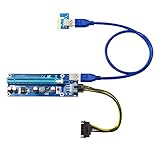
- Top Pick: JSER PCI-E 1x to 16x Mining Machine Enhanced Extender Riser Adapter with USB 3.0 & 6Pin Power Cable
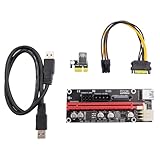
- Best Value: Kingwin PCIe Riser Card Adapter 1x to 16x with 6-Pin Power Cable, SATA to PCI-E Extension Cable for GPU Bitcoin Mining, Ethereum, ETH, Crypto Mining Rig (Latest Version)
- Premium Choice: BTBcoin PCIe 1x to 16x GPU Riser Extender for Mining & Light AI 6-Pack
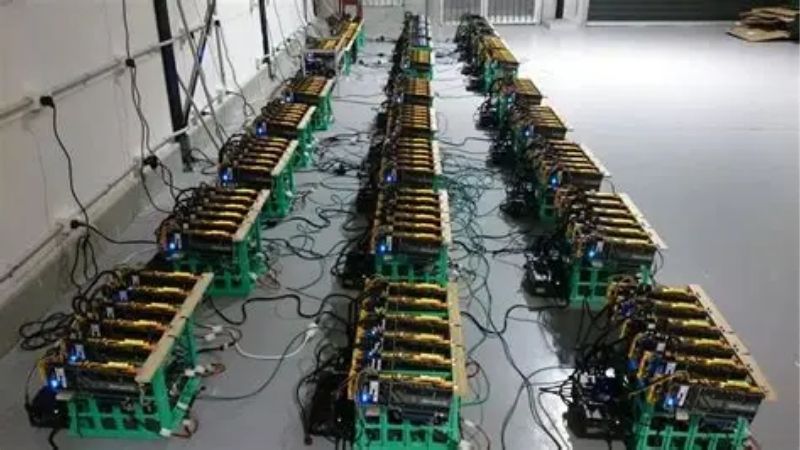
Best GPU for mining is a very different question in 2026 than it was during the boom years, and any honest guide has to start there. Since Ethereum moved to proof-of-stake, large-scale GPU mining lost its biggest earner, and profitability now hinges almost entirely on your electricity cost and the specific altcoin you choose. That makes efficiency, not raw power, the metric that matters most today. Below we rank the most sensible GPUs for mining right now, judged on performance per watt, memory capacity, and crucially their resale and gaming value, so your money is not wasted if mining does not pay off.


The State Of GPU Mining In 2026
Before spending on hardware, it is vital to understand how much the landscape has shifted, because the wrong expectations lead to wasted money. GPU mining is no longer the reliable earner it once was, and choosing a card now means optimising for very different priorities. Here is the honest context and how to think about picking a card today.
As an Amazon Associate we earn from qualifying purchases at no extra cost to you.




Why The Landscape Changed
The single biggest change was Ethereum’s shift away from GPU mining, which removed the coin that made home rigs so profitable. With that earner gone, miners scattered to a range of smaller altcoins, none of which match the old returns. The easy-money era is firmly over.
As a result, profitability today is marginal for most people and depends heavily on factors outside the card itself. Your electricity price, the coin you mine, and market volatility now determine whether you make anything at all. For many, the honest answer is that mining barely breaks even after power costs.
This matters because it reframes the whole buying decision. Rather than chasing maximum hashrate at any cost, the smart approach is to pick an efficient card that also holds its value for gaming or resale. That way your purchase is protected even if mining proves unprofitable.
What Actually Makes A Good Mining GPU Now
The most important metric today is efficiency, measured as hashrate per watt, because electricity is usually the largest ongoing cost. A card that produces a modest hashrate while sipping power will often out-earn a thirstier, faster card once the electricity bill is paid. Efficiency is where the real money is made or lost.
Memory capacity is the second key factor, since several current mineable algorithms are memory-hard and require a healthy amount of VRAM. Cards with 8GB or more are the sensible minimum, and some algorithms reward even larger buffers. Matching VRAM to your chosen coin is essential.
The third consideration, often overlooked, is dual-use value. Because mining returns are so uncertain, choosing a card that is also a strong gaming GPU or holds good resale value dramatically lowers your risk. This is the safety net that separates a wise purchase from a gamble.
Quick Picks At A Glance
For readers who want the short version, here are the standout choices before the detailed reviews below. Each is picked for a specific priority, so you can jump straight to the one that fits your situation.
Best all-rounder: RTX 5060 Ti 16GB, for its blend of efficiency, generous memory, and strong resale value. Best pure efficiency: RTX 4060 Ti, a low-power card with excellent performance per watt. Best budget and lowest power: RTX 5060, cheap to buy and gentle on your electricity bill. Best AMD option: RX 9060 XT 16GB, pairing efficiency with a large buffer. Best for memory-hard algorithms: a used RTX 3090 24GB, for its huge VRAM where capacity is king.
The Best GPUs For Mining In 2026
With the priorities established, here are the cards that make the most sense today, each reviewed for its mining strengths and its all-important secondary value. The comparison table sums them up, and the detailed reviews beneath explain who each one suits. Remember that efficiency and resale value matter more than raw speed in the current market.
| GPU | VRAM | Approx. power | Key strength |
|---|---|---|---|
| RTX 5060 Ti 16GB | 16GB GDDR7 | ~180W | Best all-round balance |
| RTX 4060 Ti | 8/16GB | ~160W | Top efficiency per watt |
| RTX 5060 | 8GB GDDR7 | ~145W | Lowest power and cost |
| RX 9060 XT 16GB | 16GB GDDR6 | ~150–180W | Best AMD efficiency |
| RTX 3090 (used) | 24GB GDDR6X | ~350W | Huge VRAM capacity |
RTX 5060 Ti 16GB: Best All-Rounder
The RTX 5060 Ti 16GB is the most sensible all-round choice for mining in 2026, and the reason is balance. Its efficient Blackwell architecture delivers a respectable hashrate per watt, while its generous 16GB of memory comfortably handles memory-hard algorithms that would choke smaller cards. It ticks the two most important boxes at once.
Just as importantly, it is an excellent gaming card with strong resale value, which is the safety net that matters most in an uncertain market. If mining returns disappoint, you still own a capable 1440p GPU that will sell readily. That dual-use protection is the card’s real advantage.
For most people weighing a mining purchase today, this is the card that minimises risk while still performing the job well. It is neither the cheapest nor the most powerful option, but its blend of efficiency, memory, and value makes it the smart default. Balance beats extremes in the current climate.
RTX 4060 Ti: Best Efficiency Per Watt
If squeezing the most from every watt is your priority, the RTX 4060 Ti is a standout, thanks to its notably low power draw. It is frequently cited for excellent performance per watt, which is exactly the metric that determines profitability once electricity is factored in. Efficiency is its calling card.
Its modest power appetite means it generates less heat and costs less to run continuously, easing both cooling and your electricity bill. For a card left running around the clock, those savings compound meaningfully over time. This is where an efficient card earns its keep.
The 4060 Ti also remains a solid 1080p gaming card with dependable resale value, preserving the dual-use safety net. Available in 8GB and 16GB versions, the larger buffer is worth choosing for memory-hard coins. For efficiency-focused miners, it is a genuinely smart pick.
RTX 5060: Best Budget And Low-Power Choice
The RTX 5060 is the choice for those wanting the lowest entry cost and the gentlest impact on their power bill. Drawing only around 145W, it is one of the most efficient current cards in absolute power terms, which keeps running costs to a minimum. Low power is its defining strength.
Its 8GB of memory is the main limitation, as it restricts which memory-hard algorithms you can mine effectively. For coins that fit within 8GB, however, it performs efficiently and affordably. Matching it to a suitable coin is the key to getting value from it.
As a modern, efficient gaming card, the RTX 5060 also holds solid resale value, keeping your risk low. For a cautious first step into mining without a large outlay, it is a sensible, low-commitment option. It is the budget-conscious miner’s practical entry point.
RX 9060 XT 16GB: Best AMD Option
On the AMD side, the RX 9060 XT 16GB is the standout, combining modern RDNA 4 efficiency with a generous 16GB buffer. That memory capacity handles memory-hard algorithms well, while the card’s reasonable power draw keeps running costs in check. It mirrors the strengths of the best Nvidia picks.
AMD cards can offer strong value for certain algorithms, and the 9060 XT’s low price makes it especially appealing on a per-dollar basis. For miners who have found a coin that suits AMD hardware, it is a cost-effective choice. Software support for your chosen coin is worth confirming first.
Like the others here, it doubles as a capable 1440p gaming card with good resale value, preserving the all-important safety net. For those preferring AMD or chasing the best value, it is the clear recommendation. It rounds out the list as a strong non-Nvidia option.
RTX 3090 24GB: Best For Memory-Hard Algorithms
For algorithms where memory capacity is everything, a used RTX 3090 stands apart thanks to its enormous 24GB of VRAM. That buffer lets it tackle memory-intensive coins that smaller cards simply cannot mine. Where capacity is king, nothing else on this list competes.
The trade-off is efficiency, since the 3090 draws around 350W and runs hot, making electricity cost a serious consideration. It only makes sense when the algorithm genuinely rewards its huge memory, and when your power price is low enough to sustain it. This is a specialist choice, not a general one.
Bought used at a fair price, it can be effective for its niche while retaining strong value as a high-end gaming and creator card. For memory-hard mining specifically, it is the standout, provided you go in aware of its power appetite. Reserve it for the tasks that truly need its VRAM.
It is also the one card here where your electricity rate should make or break the decision. On cheap power it can be worthwhile for the right coin, but on average or expensive tariffs its appetite quickly erodes any profit, so run the numbers carefully before committing to a card this power-hungry rather than assuming its raw capability will pay for itself.
Buying Guide And FAQs
Choosing a mining GPU wisely means looking well beyond hashrate, and this section gives you the framework to do it. It covers how to weigh the real costs, the risks to keep in mind, and answers to the questions buyers ask most. Approach the decision with these points in mind and you will avoid the most common mistakes.
How To Choose The Right Card
Start with your electricity price, because it is the single biggest factor in whether mining pays at all. Before buying anything, use an online mining calculator with your local power rate to estimate real returns for your chosen coin. This one step prevents most costly disappointments.
Next, weigh efficiency above raw hashrate, since a card that earns modestly while using little power usually beats a faster, thirstier one over time. Then confirm the card has enough VRAM for the algorithms you intend to mine. These two checks, efficiency and memory, drive the sensible choice.
Finally, and most importantly in 2026, prioritise resale and gaming value as your safety net. Component prices remain elevated this year, with memory and graphics-card costs pushed up by roughly 20% since late 2025 and meaningful relief not expected until 2027–2028. Buying a card that holds its value protects you if mining does not deliver.
Risks And Honest Expectations
The most important thing to understand is that GPU mining is unlikely to make you significant money in 2026, and for many it barely covers electricity. Approaching it as a hobby or an experiment, rather than a reliable income, keeps your expectations realistic. Honesty here saves both money and frustration.
Cryptocurrency prices are highly volatile, so a coin that looks profitable today can turn unprofitable overnight. Running a card continuously also adds wear and heat, and increases your power consumption noticeably. These ongoing realities should factor into any decision to mine.
Because of all this, the safest strategy is to choose a card you would happily own anyway for gaming or creative work. Then any mining income is a bonus rather than a gamble, and you are never left with hardware you cannot use or sell. That mindset is the core of mining sensibly today.
Frequently Asked Questions
Here are concise, honest answers to the questions prospective miners most often ask before buying a card.
Is GPU mining still profitable in 2026?
For most people, only marginally, and often not at all after electricity costs. Profitability depends heavily on your power price and coin choice, so it is best treated as a hobby rather than a reliable income source. Always run the numbers for your own situation first.
What is the most important factor in a mining GPU?
Efficiency, measured as hashrate per watt, because electricity is usually the largest ongoing cost. An efficient card often out-earns a faster, thirstier one once you account for power. This is the metric to prioritise above raw speed.
Does VRAM matter for mining?
Yes, because many current mineable coins use memory-hard algorithms that need a healthy amount of VRAM. Cards with 8GB are a sensible minimum, and some algorithms reward 16GB or more. Match your card’s memory to your chosen coin.
See More:
- RTX 4060 vs RTX 5060
- M4 GPU benchmark
- RTX 5060 Ti benchmark
- 5060 Ti 16GB vs 9070 XT
- RTX 5050 vs RTX 5060
Should I buy a GPU just for mining?
Generally no, given how uncertain returns are today. The wiser approach is to buy a card that is also great for gaming or holds strong resale value, so mining income is a bonus rather than your only justification for the purchase.
In short, the best GPU for mining in 2026 is an efficient one that also holds strong gaming and resale value, with the RTX 5060 Ti 16GB leading as the smart all-rounder and the RTX 4060 Ti the efficiency champion. With returns marginal and prices elevated this year, protecting your investment matters more than chasing hashrate. Check current prices on these efficient, dual-use cards through the link below to choose the one that best fits your setup and electricity costs.
Ready to decide? Our #1 pick for 2026 is the RTX 5060 Ti 16GB.
Live price & availability on Amazon.

Write Your Review
No reviews yet. Be the first to share your experience!