
- Top Pick: Winpull Tarp 10x20FT, 16 Mil Heavy Duty Waterproof Tarp, Large Tarp with Brass Grommets and Reinforced Edges, UV Resistant Thick Poly Tarps for Outdoor Camping Tent Pool Car
- Best Value: Amazon Basics Waterproof Multipurpose Camping Tarp with Reinforced Corners and Edges, Protective Cover, 9.5 x 11.3 Feet, Dark Green
- Premium Choice: RAINDEWAY Tarps 8x10Ft 5.5 Mil Multipurpose Waterproof Poly Tarp Cover | UV Resistant,Finished Size,Grommets Every 36in,Reinforced Edges,Indoor and Outdoor Use,Silver/Blue
For most campers a rectangular silpoly or coated-polyester tarp with eight or more tie-out points, such as the Kelty Noah’s Tarp 12, is the safest all-round pick, while a basic polyethylene sheet suits car camping on a tight budget and a shaped ultralight tarp such as the Mountain Laurel Designs TrailStar suits weight-conscious hikers. Gamers who spend the week at a desk and the weekend at a LAN-style campsite or a festival field tend to want the same thing: dry gear, quick setup and no drama. This guide sorts the options by how you actually camp.
As an Amazon Associate we earn from qualifying purchases at no extra cost to you.

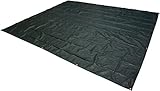


At a Glance: Tarp Types and Picks
| Tarp | Best for | Key details reviewers and makers report | Limits |
|---|---|---|---|
| Kelty Noah’s Tarp 12 | All-round camping, group shelter | 68D polyester, taped seams, around 800 mm hydrostatic head according to Rooftop Tent Lab | Heavier than silpoly options |
| Nordisk Voss 5 LW | Lightweight backpacking | Named best in test by Live for the Outdoors | Premium tier, smaller coverage |
| Simond MT900 | Value-minded hikers | Rated best value by Live for the Outdoors | Fewer accessory options |
| MSR Thru-Hiker 70 | Versatile ultralight pitching | Listed as the versatility pick by Live for the Outdoors | Needs pitching skill |
| Mountain Laurel Designs TrailStar | Wind and weather resistance | Reported at 428 g with about 6 square metres of space | Shaped design, less open floor area |
| Wise Owl Outfitters Hammock Rain Fly | Hammock campers | Reported at about 26 oz including setup accessories | Sized for hammocks, not a group shelter |
| Aqua Quest Defender | Storm and bushcraft use | Camping Know recommends it for heavy weather, citing a 20,000 mm rating | Heavier and bulkier |
| Polyethylene utility tarp (generic 8×10 class) | Car camping, ground sheet, gear cover | Reviewers cite reinforced corners and many grommets | Bulky, less durable in sun and wind |
These roundups are largely affiliate-style, so treat any single ranking cautiously and cross-read two or three before choosing. The model list changes every season, so confirm the exact version a seller is listing against the maker’s own page.
How to Choose a Tarp
Material first
Reviewers consistently name silpoly (silicone-coated polyester) as the best all-around material. It is light, sheds water well and packs small, but it can be slippery to pitch and costs more. Coated polyester like the 68D fabric on the Kelty is a step heavier yet friendlier on the budget and usually arrives with taped seams. Polyethylene sheets are the cheap, heavy option: very waterproof out of the packet, ideal under a tent or over a woodpile, but not what you want in your pack on a long walk.
Waterproof ratings
A hydrostatic head figure such as 800 mm or 20,000 mm describes how much water pressure the fabric resists before leaking. Higher is not automatically better for a tarp, because a tarp is pitched at an angle and rain runs off it. What matters more is seam taping, a good pitch angle and enough overhang. Treat sky-high numbers as marketing unless the seams and tie-outs match.
Size and shape
A rectangular tarp with 8 to 12 tie-outs is the most flexible, because it supports an A-frame, a lean-to and a flat awning. Shaped tarps such as the TrailStar are lighter and stronger in wind but do one job well. Rule of thumb: pick a tarp roughly 1 metre longer than the person sleeping under it, and add width if you plan to cook or sit beneath it.
Weight and pack size
If the tarp rides in a car, weight barely matters. If you carry it, the difference between a few hundred grams and well over a kilogram adds up fast. Ultralight models trade away toughness, so expect to handle them more gently.
Budget Tiers
| Tier | What you get | Typical choice |
|---|---|---|
| Budget | Heavy polyethylene, grommets, no seam taping needed | Generic poly tarp, 8×10 class |
| Mid-range | Coated polyester, tie-outs, taped seams | Kelty Noah’s Tarp 12, Simond MT900, Wise Owl hammock fly |
| Premium | Silpoly, low weight, refined pitching points | Nordisk Voss 5 LW, MSR Thru-Hiker 70, Mountain Laurel Designs TrailStar |
Pick This If You Are…
| Situation | Pick |
|---|---|
| Camping from a car with friends and a lot of gear | Kelty Noah’s Tarp 12 or a large poly tarp |
| Hiking long distances | Nordisk Voss 5 LW or MSR Thru-Hiker 70 |
| Hammock sleeper | Wise Owl Outfitters Hammock Rain Fly, Onewind 12×10 or ENO ProFly class |
| Camping in exposed, windy spots | Mountain Laurel Designs TrailStar |
| Storm-prone region or bushcraft | Aqua Quest Defender |
| Cheap ground cover or gear shelter | Polyethylene utility tarp |
Setup Tips That Matter More Than the Spec Sheet
- Pitch the low edge toward the wind and keep a steep slope so water sheds instead of pooling.
- Use guylines with tensioners at every tie-out you plan to load; tape or tie off grommets that look thin.
- Place a ground sheet beneath your sleeping area, since a tarp covers overhead but not rising damp.
- Keep stoves and open flames well away from any tarp fabric. Follow the maker’s care notes and local fire rules.
- Dry the tarp before long storage to avoid mildew and sticky coatings.
Common Mistakes
The first is buying the biggest tarp available. Excess fabric flaps in wind and weighs more. The second is ignoring seams: an untaped seam on a thin tarp is where leaks start. Third, many buyers confuse a tarp with a tent and expect bug or draft protection; a tarp is open on the sides. Finally, cheap grommets can rip out, so reinforce corners or use cord loops through side loops when a tarp offers them.
Alternatives to a Standard Tarp
- A tarp tent or shaped shelter if you want a floor and insect protection with tarp-like weight.
- A pop-up canopy for festival grounds and tailgates where you stay in one spot and want walls and quick setup.
- A bivy bag under a small tarp for minimalist trips, which gives extra splash protection with little weight.
Frequently Asked Questions
What size outdoor tarp do I need?
For one or two people, something in the 10 by 10 foot range, or about 3 by 3 metres, gives room to sleep and sit. Solo hikers often go smaller for weight, while groups should size up. Choose by the number of people and gear, not by the largest number on the label.
Is silpoly better than polyester or polyethylene?
Silpoly is lighter and packs smaller, and reviewers call it the best all-around material. Polyester is cheaper and tougher in everyday use, while polyethylene is the budget choice for car camping. The best material is the one that matches how far you carry it.
Do I need a waterproof rating?
A rating is a helpful guide, but pitch angle, seam taping and overhang decide how dry you stay. A tarp with a modest rating and good seams usually outperforms one with a huge number and poor stitching.
Can I use a tarp for hammock camping?
Yes. A hammock tarp should extend beyond both ends of the hammock and cover the suspension lines. Dedicated hammock flies such as the Wise Owl and ENO ProFly are shaped for this.
How do I stop a tarp flapping in wind?
Pitch it low, keep guylines taut and stake out every corner. Shaped tarps resist wind better than flat rectangles. If gusts get strong, take it down rather than risk damage.
How long do tarps last?
Lifespan depends on fabric, sun exposure and care. Polyethylene degrades in strong sunlight, while coated nylon and polyester last longer if cleaned, dried and stored loosely.


Write Your Review
No reviews yet. Be the first to share your experience!