
Our Short List of 3
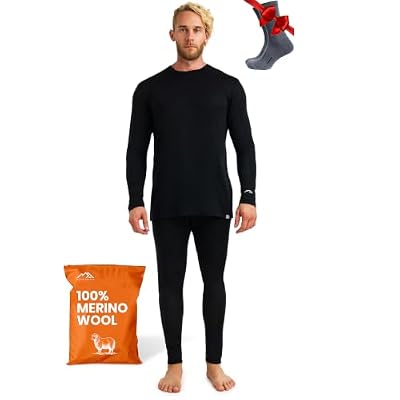
- Format: Long sleeve top and bottom set for men
- Fabric: 100 percent superfine merino wool
- Fabric weight: 250 grams per square metre, midweight
- Listing part number: MST-250

- Format: Zip-up top and bottom set for women
- Fabric: Merino wool
- Fabric weight: 320 weight, heavyweight class
- Colour in the listing checked: Charcoal

- Format: Long sleeve thermal top only, for women
- Fabric: 100 percent merino wool
- Weight class: Midweight
- Colour in the listing checked: Charcoal Gray
All 4 Picks at a Glance
| Product | Specs | Action |
|---|---|---|
| 1. Merino.tech Merino Wool Base Layer Mens Set |
| Check price on Amazon |
| 2. Merino.tech Women’s Merino Wool Base Layer Set — 320 Zip-Up |
| Check price on Amazon |
| 3. MERIWOOL Women’s Base Layer Midweight Long Sleeve Thermal Shirt |
| Check price on Amazon |
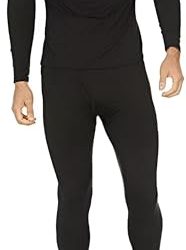
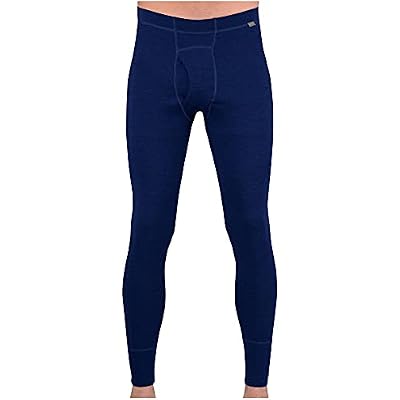 4. MERIWOOL Men’s 250g Base Layer Bottoms Thermal Pants |
| Check price on Amazon |
As an Amazon Associate we earn from qualifying purchases.
Disclosure: This article contains affiliate links to Amazon. If you buy through those links, the site may earn a commission at no extra cost to you.
A thermal base layer sits directly against your skin, and it does more work than any other layer in a cold-weather outfit. It traps warm air, moves sweat away from the skin before that sweat can chill you, and lets mid layers and shells do their jobs. When the base layer is wrong — cotton that stays wet, a fabric too heavy for the activity, or a fit that bunches under trousers — the whole system feels wrong, however good the jacket on top is.
This guide compares four thermal base layers sold on Amazon US, all in the same product family: merino wool base layer clothing worn next to the skin. Two are complete top-and-bottom sets, one for men and one for women, and two are single pieces — a women’s midweight long sleeve top and a men’s 250g bottom — for readers who only need to replace or add one half of a system. Every pick below is merino wool, which keeps the comparison honest: the real differences are fabric weight, format, and fit, not a tangle of unrelated materials.
Fabric weight is the number to learn first. Base layers are described as lightweight, midweight, or heavyweight, and merino fabrics are often labelled by grams per square metre. A fabric around 165 to 200 grams per square metre suits high-output activity and milder cold. Around 250 grams per square metre is the versatile midweight most people want for general winter use. At 320 grams per square metre and above, a base layer is built for serious cold and lower activity levels, where you are standing, sitting, or moving slowly rather than working hard.
Quick Picks
- Best overall set for men: Merino.tech Merino Wool Base Layer Mens Set — a top-and-bottom set in 100 percent superfine merino wool at a midweight 250 grams per square metre.
- Best heavyweight set for women: Merino.tech Women’s Merino Wool Base Layer Set, 320 weight — a zip-up heavyweight top with matching bottoms for the coldest days.
- Best single top: MERIWOOL Women’s Base Layer Midweight Long Sleeve Thermal Shirt — a 100 percent merino midweight crew for women who already own thermal bottoms.
- Best single bottom: MERIWOOL Men’s 250g Base Layer Bottoms Thermal Pants — midweight merino leggings for men who need leg warmth under work trousers, ski pants, or waders.
1. Merino.tech Merino Wool Base Layer Mens Set
- Format: Long sleeve top and bottom set for men
- Fabric: 100 percent superfine merino wool
- Fabric weight: 250 grams per square metre, midweight
- Listing part number: MST-250
The Merino.tech men’s set is the straightforward starting point for most readers: a long sleeve top and a full-length bottom sold together, both made from 100 percent superfine merino wool. The listing identifies this set with part number MST-250 and a midweight fabric of 250 grams per square metre, which places it squarely in the all-purpose category — warm enough for a cold morning on a building site or a day of resort skiing, and not so heavy that it overwhelms you on a winter hike where you are generating your own heat.
Merino’s advantages are practical. The fibres absorb moisture vapour and release it gradually, so the fabric feels less clammy than a synthetic layer during stop-and-go activity. Merino also resists odour far better than polyester, which matters on multi-day trips, and it keeps insulating when damp, unlike cotton. The superfine wool used here is chosen for softness, so the set can be worn all day without the scratchiness of older wool garments.
Fit matters as much as fabric. A base layer should sit close without restricting movement, because loose fabric leaves cold air gaps and bunches under mid layers. Order your normal size for a body-hugging fit: close is right for skiing and hiking, while a little more room suits sleeping in a cold cabin. Because this is a matched set, top and bottom share the same fabric weight, so torso and legs stay in balance.
Specifications
Pros
Cons
Check the Merino.tech Men’s Set on Amazon
2. Merino.tech Women’s Merino Wool Base Layer Set — 320 Zip-Up
- Format: Zip-up top and bottom set for women
- Fabric: Merino wool
- Fabric weight: 320 weight, heavyweight class
- Colour in the listing checked: Charcoal
The women’s set from Merino.tech takes the same complete-set idea and turns the warmth up. This version is built around a 320-weight fabric, which is heavyweight territory, and the top uses a zip-up design rather than a plain crew neck. The listing describes a heavyweight to midweight thermal top and bottom pairing in the 320 charcoal zip-up set, aimed at women who spend long periods outside in genuinely cold weather — watching winter sport from the sideline, working outdoors, ice fishing, or skiing on days when the lift ride is the coldest part.
The zip is more useful than it first sounds. On a heavyweight layer, ventilation is the problem: you are warm while moving, then too warm the moment you step inside, and a quarter or half zip lets you dump heat without removing layers. It also makes the top easier to pull on over a fitted first layer or a sports bra, and easier to wear open as a light top on its own around a lodge or cabin. The matching bottoms keep the system simple, with the same heavyweight thinking applied to the legs, which lose heat quickly when you are standing still on snow or frozen ground.
Heavyweight merino is a deliberate trade. It is warmer and more forgiving of low activity, but it is bulkier under slim trousers and slower to dry than a light synthetic. Choose this set when cold, not exertion, is the main challenge, and pair it with a windproof outer layer, because wool knit on its own does not block wind. Worn under a shell, the trapped warm air does the insulating and the shell stops that air being stripped away.
Specifications
Pros
Cons
Check the Merino.tech Women’s 320 Set on Amazon
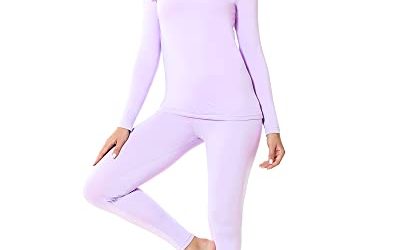
3. MERIWOOL Women’s Base Layer Midweight Long Sleeve Thermal Shirt
- Format: Long sleeve thermal top only, for women
- Fabric: 100 percent merino wool
- Weight class: Midweight
- Colour in the listing checked: Charcoal Gray
Not everyone needs a full set. If your thermal bottoms are still in good shape, or you mainly feel the cold through your torso under a work shirt or ski jacket, a single well-made top is the smarter buy. The MERIWOOL women’s base layer is a long sleeve thermal shirt in 100 percent merino wool, described by the maker as a midweight layer. Midweight is the right default for a standalone top: it adds real warmth under a jacket without turning a heated office, car, or mountain restaurant into an endurance event.
A crew-style long sleeve top like this one is the most versatile piece in a winter wardrobe. It works as the first layer under a ski shell, as a warm shirt under a flannel or work jacket, and as a standalone top for autumn hiking when the weather is cool rather than bitter. The natural stretch of a knitted merino fabric moves with reaching and bending, and flat, close construction keeps it comfortable under straps from a backpack or a seat belt on a long winter drive.
One limitation applies to every single-piece purchase: check that this top’s weight roughly matches the bottoms you already own. A midweight top over very thin leggings leaves your legs as the weak point. As a midweight merino piece, it sits in the middle on purpose — exactly where most everyday winter wear happens.
Specifications
Pros
Cons
Check the MERIWOOL Women’s Thermal Shirt on Amazon
4. MERIWOOL Men’s 250g Base Layer Bottoms Thermal Pants
- Format: Thermal bottoms only, for men
- Fabric: Merino wool, superfine 18.5-micron fibres as described by the maker
- Fabric weight: 250g class, midweight
- Style: Base layer leggings with a close fit
Legs are often the forgotten half of a layering system, partly because a good thermal top is more visible and partly because many people make do with whatever trousers they already own. That stops working when you are sitting in a cold stand, riding a lift, working on frozen ground, or standing at a winter work site. The MERIWOOL men’s bottoms are thermal pants in merino wool at a stated 250g weight — the same midweight class as the men’s set above — described by the maker as base layer bottoms and thermal leggings, built from superfine 18.5-micron wool.
The 250g weight is a sensible choice for legs. Legs generate less perceived cold than the core while walking, but they chill fast when you stop, and a midweight bottom handles both phases without the bulk of an expedition-weight legging under work trousers or ski pants. A close, legging-style fit is important here: fabric that sags at the knee or bunches behind it becomes uncomfortable within an hour, and loose material will not trap warm air efficiently. Worn under a waterproof shell pant, these bottoms also protect your skin from the cold, clammy feel of a shell lining on a wet day.
These bottoms pair naturally with any midweight top, including the sets and shirts in this guide, and they are a practical first purchase for someone who already owns a warm fleece or merino top. As with the women’s shirt above, the piece-by-piece approach only works when the weights roughly match, so treat 250g as your reference point when you shop for the other half.
Specifications
Pros
Cons
Check the MERIWOOL Men’s Thermal Bottoms on Amazon
How to Choose the Right Thermal Base Layer
Start with fabric weight, not brand. Lightweight layers suit high-output activity and milder cold. Midweight, around 250 grams per square metre in merino, is the best single choice for general winter use. Heavyweight, around 320 and above, is for very cold weather and lower activity. Buying one weight and expecting it to cover every condition is the most common mistake; many regular winter users eventually own a midweight set for most days and reach for something heavier or lighter at the extremes.
Decide between a set and single pieces. A set guarantees the top and bottom match in weight and fit, and it is the simplest route for a first purchase. Single pieces make sense when one half of your current system has worn out, when you run hotter in the legs than the torso or the reverse, or when you only feel the cold in one place. Whichever route you take, keep the weights of the two halves close.
Understand what merino does and does not do. Merino wool insulates when damp, resists odour, and feels comfortable across a wide temperature range, which is why every pick in this guide uses it. It dries more slowly than polyester and needs gentler washing. Synthetic base layers dry faster and are usually tougher, but they hold odour and feel colder when wet. Cotton is the one fabric to avoid as a base layer in cold weather, because it absorbs sweat, stays wet, and chills you.
Get the fit right. A base layer works by trapping air close to the skin, so it should fit snugly without cutting off movement or circulation. If you plan to wear it mainly for activity, choose your normal size and a close fit. If you plan to sleep in it or wear it as loungewear, a little extra room is fine. Check the maker’s size guidance on the listing for the piece you choose, because cuts differ between a men’s set, a women’s zip-up, and a legging-style bottom.
Layer the system, not just the piece. Add an insulating mid layer, such as fleece or a puffy jacket, and a windproof or waterproof shell to protect that warmth. If you are cold in a good base layer, the missing piece is usually wind protection or mid-layer insulation, not a heavier base layer.
FAQs
What is the difference between a base layer and thermal underwear?
They are the same category of clothing described two ways. Thermal underwear is the traditional name for the long sleeve tops and long bottoms worn under clothes in winter; base layer is the term used in outdoor and ski clothing for the first layer of a layering system. The products in this guide are sold under both names.
Is midweight or heavyweight better?
Midweight is better for most people and most winter days, because it balances warmth with versatility during activity. Heavyweight is better for very cold weather, low activity, and people who feel the cold strongly. If you can only own one, choose midweight and add insulation on top when it gets colder.
Can I wear a thermal base layer on its own?
Yes, in cool rather than bitter weather a merino top works as a standalone shirt, and the zip-up women’s top in this guide is designed to be easy to wear that way. In serious cold, a base layer alone is not enough, because it does not block wind; add a mid layer and a shell.
How should I wash merino base layers?
Follow the care guidance on the specific listing and garment label. In general, merino is washed gently in cool water with a mild detergent and dried flat or on a line rather than in high heat. Gentle care protects the fine fibres and keeps the fit stable over many seasons.
Should a base layer fit tight or loose?
Snug, not tight. It should contact the skin across the torso and legs so it can move sweat and trap warm air, but it should never restrict breathing, bending, or circulation. If a piece bags at the knee or sags at the waist, it is too loose to work as a first layer.
Conclusion
For most readers, the Merino.tech men’s set is the cleanest answer: a matched midweight merino top and bottom at 250 grams per square metre that covers everyday winter, skiing, hiking, and outdoor work. Women facing colder, slower days should look at the Merino.tech women’s 320 zip-up set, where the heavyweight fabric and venting zip suit standing around in real cold. If you only need one half of a system, the MERIWOOL women’s midweight shirt and the MERIWOOL men’s 250g bottoms let you fill the gap with merino pieces in the same versatile weight class. Choose the weight for your coldest typical day, keep the fit close, and let the layers above it handle the wind.


Write Your Review
No reviews yet. Be the first to share your experience!