
- Top Pick: ALPS Mountaineering Tasmanian 3 Person Tent – Orange/Gray
- Best Value: ALPS Mountaineering Lynx 1-Person Tent – Lightweight, Easy Setup, Waterproof, Freestanding Backpacking Tent with Durable Aluminum Poles and Ample Ventilation
- Premium Choice: ALPS Mountaineering Lynx 2-Person Backpacking and Camping Tent Easy Setup, Weatherproof, Spacious & Ventilated Camping Tent/Lightweight
A true four-season mountaineering tent such as the Hilleberg Jannu, Mountain Hardwear Trango series or The North Face Mountain 25 suits storm-exposed alpine camps, while lighter designs like the MSR Advance Pro or the Black Diamond range suit fast trips on settled routes. Pick by the worst weather you expect and the weight you can carry, not by marketing language.
As an Amazon Associate we earn from qualifying purchases at no extra cost to you.
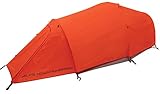


Comparison of well-known mountaineering tent families
| Tent family | Maker | Style | Best for | Trade-off |
|---|---|---|---|---|
| Jannu | Hilleberg | Tunnel and dome hybrid built for severe weather | Expeditions and long storm exposure | Heavier than alpine-light options |
| Trango | Mountain Hardwear | Geodesic four-season shelter | Alpine objectives with snow load and wind | Weight rises with capacity |
| Mountain 25 | The North Face | Classic dome-style four-season | Winter and high-camp use | Packed size is larger than ultralight designs |
| Advance Pro | MSR | Lightweight single-wall style alpine tent | Fast, light alpine climbs | Condensation management and cooking limits in single-wall shelters |
| Kunai (earlier four-season line) | NEMO | Dome-style four-season | Backcountry winter and mountain use | Check the maker’s current range for availability |
| Eldorado-type designs | Black Diamond | Light alpine shelter | Climbers who prefer simple setup | Less storm protection than expedition shelters |
Lineups change, so confirm each maker’s current model before buying. Names above are well-established families; some specific versions or capacities may have been updated or replaced.
Understanding what makes a tent “mountaineering” grade
Pole structure
Mountaineering tents rely on strong aluminium poles in a crossing or geodesic pattern that sheds wind and snow load. Hilleberg and Mountain Hardwear each highlight pole strength and frame geometry as core features on their product pages.
Fabric and coating
Fly fabrics in this category are usually tougher than three-season nylon and may be coated for waterproofing and UV resistance. The maker’s description lists fabric type and denier; use that to compare, but remember a higher denier is heavier.
Ventilation
Cold snow camps produce condensation. Double-wall designs separate the breathable inner from the fly, which helps manage moisture. Single-wall tents save weight but demand careful venting and drier conditions.
Anchoring
Snow stakes, deadman anchors and guy-out points matter more than headline specs. Look for generous guy points and reinforced anchor loops.
Sizing for your party
| Party | Typical choice | Why |
|---|---|---|
| Solo climber | One-person alpine tent or a two-person tent used alone | Weight saving versus room for gear |
| Pair | Two-person four-season tent | Tight but warm; share the weight |
| Three people | Three-person model, such as the Trango 3 in the Mountain Hardwear range | Extra space for packs and cooking in bad weather |
| Expedition basecamp | Larger tunnel or dome shelters | Space for storm days |
Many climbers size up by one person for storm days. A tent rated for two people is often snug for two with winter gear.
Weight versus protection
The weight difference between an alpine-light shelter and a full expedition tent can be large. The lighter tent speeds up approach and summit days but leaves less margin in a prolonged storm. If you plan to sit out multi-day weather, extra weight buys space and structural margin. If you plan single-night bivouacs on stable forecasts, a lighter design may be the better trade. Outdoor reviewers such as OutdoorGearLab and Switchback Travel discuss these categories and highlight the same split between alpine-light and expedition tents.
Budget tiers
- Budget: entry four-season dome tents, heavier and with simpler details. Suitable for winter camping and occasional mountain use.
- Mid-range: established makers’ standard four-season models. A sensible home for most climbers.
- Premium: expedition-grade shelters with specialised fabrics and construction. Hilleberg and Mountain Hardwear position some models here.
Pick this if…
| If you climb | Consider | Reason |
|---|---|---|
| Big expedition peaks with long storms | Hilleberg Jannu or comparable expedition tent | Strength and storm design |
| Alpine routes in changeable weather | Mountain Hardwear Trango or The North Face Mountain 25 | Balance of protection and carry weight |
| Fast and light on stable forecasts | MSR Advance Pro style or Black Diamond light alpine designs | Low weight, quick pitch |
| Winter backcountry, mixed use | NEMO four-season dome | Flexible between camping and mountaineering |
Practical setup and care
- Pitch on a flat, sheltered spot and orient the lowest-profile end into the wind.
- Build snow walls where practical, and dig out vestibule space for cooking if the maker allows it.
- Do not cook inside the sleeping area. Carbon monoxide is a serious risk in closed shelters; follow the maker’s guidance on stove use and ventilation.
- Dry the tent fully before storage, since packed moisture shortens fabric life.
- Seam-seal or refresh coatings only as the maker instructs.
Common mistakes
- Choosing a three-season tent for snow load and high wind.
- Ignoring the minimum number of stakes and guy lines the maker specifies.
- Buying on weight alone and then lacking space for storm days.
- Not practising pitching with gloves on before the trip.
Questions to ask before you commit
Think about the real trip rather than the dream one. How many nights will you spend above the snowline, and will you sit out weather in camp? Will you carry the tent alone or split it with a partner? Do you need to pitch quickly in wind, with gloves on? A tent that takes ten minutes in a living room can take much longer on a ridge. Consider vestibule size for boots and packs, door layout so one person can exit without waking the other, and whether the poles use colour-coded sleeves. Read the maker’s care guide, and note the warranty terms they state for fabric and poles.
Frequently Asked Questions
What is the difference between four-season and three-season tents?
Four-season tents use stronger poles and fabrics to handle snow load and high wind. Three-season tents focus on ventilation and low weight for mild conditions. Using a three-season tent on a winter mountain can risk collapse.
Are single-wall tents suitable for mountaineering?
Yes for fast, light trips in cold dry conditions, but moisture can build up inside. Double-wall tents manage condensation more easily and offer a vestibule for gear, at some weight cost.
How many stakes and anchors do I need?
Use all the anchor points the maker provides. In snow, buried deadman anchors, snow pickets or skis often work better than conventional stakes.
Can I use a mountaineering tent for regular camping?
You can, but it will likely be heavier and less ventilated than a three-season tent. It suits winter and exposed sites best.
Is it safe to cook in the vestibule?
Only if the maker explicitly allows it and you maintain ventilation. Tent fabrics can burn and carbon monoxide builds up in closed spaces, so read the instructions and prefer open-air cooking where possible.
How long does a mountaineering tent last?
Lifespan depends on UV exposure, storage and use. Wash gently, dry thoroughly and keep out of prolonged sun to extend fabric and coating life.







Write Your Review
No reviews yet. Be the first to share your experience!