
- Top Pick: Ortho Home Defense Max Bed Bug, Flea & Tick Killer, 1 gal. | Also Kills Bed Bug Eggs, Ready-to-Use, Indoor Pest Control Spray
- Best Value: BugMD Bed Bug Spray, Roach and Ant Killer – Pet Safe (64 oz Kit) | Indoor Cockroach Treatment, Plant-Based Pest Control for Home, Kills Spiders, Fleas and Mites
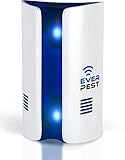
- Premium Choice: Ultrasonic Pest Control Repeller Plug in – Electronic Insect Defender – Roach Bed Bug Mouse Rodent Mosquito Killer – Indoor Reject Repellent -for Cockroach Ants Mice Fly Rat Bedbug Spider Squirrel
For a confirmed bed bug problem, the strongest approach is a licensed pest control professional using an integrated plan, with home products such as mattress encasements, interceptor cups, a steamer and a labeled bed bug spray acting as support. A single spray bought off a shelf rarely clears an infestation by itself, and the EPA and university extension services state that bed bugs usually need a combination of methods.
As an Amazon Associate we earn from qualifying purchases at no extra cost to you.



What to confirm before you buy anything
Start by confirming that the insect is actually a bed bug. Typical signs reported by extension services are small rust-colored spots on sheets, shed skins, live bugs along mattress seams and bites in lines or clusters. Bites alone are not proof because other causes look similar. Place a specimen in a sealed bag and have a pest professional or local extension office identify it before spending money on treatments.
Product types at a glance
| Product type | Example makers or lines | Best for | Limits |
|---|---|---|---|
| Mattress and box spring encasements | SafeRest, Protect-A-Bed, Utopia Bedding bed bug rated covers | Trapping bugs inside and removing mattress hiding places | Do not kill bugs elsewhere in the room; zipper quality matters |
| Interceptor cups | ClimbUp, BlackOut bed bug interceptors | Monitoring and catching bugs climbing bed legs | Tell you where bugs are, not a full cure |
| Steam cleaner | Household steamers from brands such as McCulloch and Dupray | Seams, baseboards and furniture joints | Needs slow, careful passes and a nozzle suited to cracks |
| Diatomaceous earth | Harris and similar food-grade products | Light dusting in voids and along edges | Slow acting; dust must stay dry and thin; avoid breathing it |
| Labeled bed bug sprays | Harris, Hot Shot and similar | Crack and crevice treatment as support | Follow the label exactly; not for use on bedding unless the label states so |
| Professional heat or chemical treatment | Licensed pest control companies | Full infestations, multi-unit buildings | Cost and preparation work; follow-up visits are common |
How the layers fit together
Encasements
Choose encasements that are explicitly labeled for bed bugs and have a lock-style zipper with a protective flap. The point is to keep any bugs inside from feeding and to eliminate tears where new bugs can hide. Check the fit for your mattress depth listed by the maker. The covers should stay on for the period the extension guidance suggests, often a year or longer.
Interceptors
Interceptor cups sit under each leg of the bed and catch bugs trying to climb up or down. Pull the bed away from walls and make sure bedding does not touch the floor so the cups are the only route. They also serve as a monitoring tool to tell you whether treatment is working.
Heat and steam
Steam can reach bugs and eggs in seams when used slowly, but it is easy to push bugs along a surface instead of killing them. Test on fabric first and keep a safe distance from electronics and finishes. Washing and drying bedding on high heat is a widely cited extension recommendation for fabrics that can handle it.
Sprays and dusts
Choose only products whose label lists bed bugs, and apply them exactly as written. Do not combine multiple pesticide products on your own, do not spray bedding or mattresses unless the label allows it, and keep children, pets and food away during application. Wear the protective gear the label states. Anyone who is pregnant, has respiratory conditions or has pets that are sensitive should ask a professional or doctor first.
Budget tiers explained
| Tier | What it covers | Trade-off |
|---|---|---|
| Budget | Interceptor cups, diatomaceous earth, basic encasements | Good for early detection or light cases; weaker against established infestations |
| Mid-range | Encasements plus steamer plus labeled spray | Reasonable DIY system if you follow the steps strictly |
| Premium | Professional treatment, sometimes with heat | Most likely to resolve a larger problem; needs prep work and follow-up |
Pick this if…
| Situation | Option |
|---|---|
| You only suspect bed bugs | Interceptor cups plus a sealed specimen sent for identification |
| You have a few bugs in one bed | Encasements, interceptors, steam, laundry and a labeled spray |
| You see bugs in multiple rooms | Licensed pest control company |
| You rent or live in an apartment building | Notify the landlord, because neighboring units often need treatment too |
| You travel often | Luggage checks and a hot dryer cycle for clothes on return |
Common mistakes
- Using foggers or bug bombs. Extension services caution that these can scatter bugs and are not effective for bed bugs.
- Throwing away furniture without sealing it. Moving infested items through hallways can spread bugs.
- Overusing pesticides. More product does not help and raises health risks.
- Moving to another bedroom. That spreads the problem.
- Stopping early. Bed bugs lay eggs, and the cycle needs follow-up checks over several weeks.
A sensible order of operations
- Confirm the pest.
- Declutter and wash fabrics on high heat where safe.
- Vacuum seams and baseboards, then empty the vacuum into a sealed bag outdoors.
- Install encasements and interceptors.
- Apply steam or a labeled product to cracks as directed.
- Monitor weekly and call a professional if bugs persist or spread.
Alternatives
If DIY methods are not working, ask a licensed company about whole-room heat treatment or a chemical program. Some companies also offer canine inspection to confirm bugs before treatment. Ask for a written plan and follow-up visits. Local health departments and extension offices often publish unbiased guidance for tenants and homeowners.
Frequently Asked Questions
Can I get rid of bed bugs without a professional?
Light infestations caught early can sometimes be controlled with a disciplined DIY system. Many established infestations need professional help, because bugs hide in wall voids, furniture and nearby rooms that home products do not reach.
Do bed bug interceptor cups kill bugs?
They trap bugs that try to climb bed legs, which helps monitoring and reduces bites at night. They do not eliminate bugs in other hiding places, so use them as part of a larger plan.
Is diatomaceous earth safe?
Food-grade types are commonly sold for household use, but the fine dust can irritate lungs and eyes. Apply a very thin layer, wear a mask if the label says so, and keep it away from children and pets.
How long does it take to resolve bed bugs?
It varies with the size of the problem and the methods used. Extension services note that follow-up inspections over several weeks are normal, because eggs may hatch after the first treatment.
Can I use a bed bug spray on my mattress?
Only if the product label explicitly says it can be used on mattresses. Many sprays are meant for cracks and crevices, so reading the label is the safest approach.
Will washing clothes kill bed bugs?
Extension guidance generally says hot washing and high-heat drying can kill bugs and eggs on fabrics that tolerate heat. A dryer cycle on high is often cited as the key step.







Write Your Review
No reviews yet. Be the first to share your experience!