
- Top Pick: Non Slip Work Shoes Women, Slip On Sneakers Women,Work Shoes Walking Gym Nurse Mesh Casual Fashion Sneakers Comfort Breathable Lightweight (All-Black-8.5)
- Best Value: Scurtain Womens Casual Walking Shoes Summer Spring Non Slip Grounding Shoes Wide Width Barefoot Shoe White Nurse Neuropathy Edema Orthopedic Slippers Shoes Size 8.5
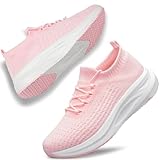
- Premium:: YHOON Womens Slip on Walking Shoes Comfort Lightweight Breathable Sock Shoe Non-Slip Mesh Casual Fashion Tennis Running Sneakers Pink Size 9.5
The best women’s slip-on walking shoe is one that stays on the heel without a lace: Skechers Slip-ins styles suit people who want a hands-free entry design, Hoka and Vionic offer more cushioned or supportive slip-on options, and brands such as Kuru, Clarks or Allbirds fit those who prefer a softer everyday shoe. Fit around the heel and midfoot matters more than any brand name, because a slip-on has no laces to adjust.
As an Amazon Associate we earn from qualifying purchases at no extra cost to you.


Slip-On Walking Shoe Options at a Glance
| Brand and style | Best for | Stated features | Limits |
|---|---|---|---|
| Skechers Slip-ins (Go Walk and related lines) | Easy entry, daily walks, errands | The maker describes a molded heel pillar and a design that lets you step in without bending down | Fit varies by line; some feel roomy in the heel for narrow feet |
| Hoka slip-on or easy-entry styles | Cushioned walking, long days on hard floors | The maker lists a thick foam midsole and a rocker-style shape | Chunky look; limited arch support variety |
| Vionic slip-on styles | Arch support and everyday comfort | The maker lists built-in orthotic-style arch support | Firm feel; sizing needs care |
| Kuru slip-on styles | Heel cupping and cushioning for long walks | The maker lists a heel-cupping footbed design | Less choice in fashion colors |
| Allbirds and other knit slip-ons | Light, flexible, casual walking | The maker lists knit uppers and soft cushioning | Less structure for long distances |
| Clarks and similar comfort brands | Casual walking and office use | Cushioned footbeds with leather or fabric uppers | Less athletic cushioning |
Lines and models change each season, so confirm the current name on the maker’s page before buying. Reviewers from outlets such as Runner’s World and the American Podiatric Medical Association’s Seal of Acceptance list highlight different shoes each year, so use their lists as a cross-check.
What Makes a Good Slip-On Walking Shoe
Heel Hold
Without laces, the heel counter and collar do the holding. A shoe that lifts out of the back with each step will cause blisters. Look for a firm, molded heel cup and a snug collar, and try the shoe on while walking, not just standing.
Midfoot Security
Elastic gores, stretch uppers or adjustable straps hold the midfoot. If the foot slides forward on downhill sections, toe jam follows. Some slip-ons include a hidden elastic lace system to tighten the fit.
Cushioning and Support
Walking involves a heel-to-toe roll, so a slightly rocker-shaped midsole helps some people. Others prefer a firmer base with arch support. The right balance depends on your foot and any advice from a podiatrist.
Width and Toe Box
Feet swell during the day. Choose a size and width that leave room for the toes to spread. Many of these brands sell narrow, regular and wide sizes, and the maker size chart is the first reference.
Outsole Grip and Weight
A flexible outsole with grip suits sidewalks and indoor floors. Lighter shoes reduce fatigue, but very thin soles lose cushioning on hard surfaces.
Pick X If You Want Y
| Pick this | If you want |
|---|---|
| Skechers Slip-ins | Quick on and off, mild cushioning for daily walking |
| Hoka | Plush cushioning for longer walks or standing jobs |
| Vionic | Built-in arch support in a casual shape |
| Kuru | A deep heel cup for heel comfort |
| Knit slip-on from Allbirds or similar | A light, soft shoe for casual days |
Budget Tiers
- Budget: basic slip-on walkers from mainstream brands. Fine for light daily use; cushioning may flatten sooner.
- Mid-range: Skechers Slip-ins, Vionic and Clarks lines, with better footbeds and sturdier uppers.
- Premium: Hoka, Kuru and other performance-oriented options with more advanced midsole foam and wider size runs.
Fit Tips for Slip-Ons
- Shop in the afternoon, when feet are at their largest.
- Wear the socks you plan to walk in.
- Leave about a thumb’s width of space in front of the longest toe.
- Walk a few laps and check that the heel does not slip.
- Check the return policy so you can send them back if they rub.
- Replace shoes when the midsole feels flat or the outsole is worn through; many shoe makers suggest a few hundred miles of wear as a rough guide.
When a Slip-On Is Not the Best Choice
People with foot conditions such as plantar fasciitis, bunions or diabetes should talk to a podiatrist or doctor about footwear. A slip-on may not give enough hold or support for those needs, and a lace-up with an orthotic may be a better answer. For fast or long-distance walking, a lace-up with an adjustable fit usually holds the foot better.
Common Mistakes
- Buying too large to make slipping on easier, which causes heel slip.
- Choosing a pair for looks without checking arch support.
- Ignoring width, especially in a stretchy upper that hides a poor fit.
- Wearing the same pair until the cushioning is gone.
- Skipping a break-in period on longer walks.
Alternatives
Lace-Up Walking Shoes
A lace-up from Brooks, New Balance or Asics lets you tune the fit, which suits long walks and narrow or wide feet.
Elastic-Lace Conversions
Elastic or lock laces turn a regular sneaker into a near-slip-on while keeping a secure fit.
Sandals and Clogs
Supportive walking sandals suit hot weather, but they offer less protection and less heel hold than a closed slip-on shoe.
Frequently Asked Questions
Are slip-on shoes good for walking long distances?
They can be, if the heel hold is secure and the cushioning suits you. For long outings, many walkers prefer a lace-up since it can be adjusted as the feet swell.
How do I stop my heel slipping out of a slip-on?
Try a half size smaller or a narrower width if the toe box allows it, choose a shoe with a firm heel counter, or add a heel grip insert. If slipping continues, the shoe may be the wrong shape for your foot.
Are Skechers Slip-ins good for walking?
The maker markets them for everyday walking with an easy-entry heel design. Reviewers generally comment on comfort for casual walking, but fit varies by line and foot shape, so try them on if possible.
Can I use my own orthotics in a slip-on?
Often yes, if the insole is removable and the shoe has depth. Check the maker’s description, and ask your podiatrist about the right shoe for a custom orthotic.
How often should I replace walking shoes?
Replace them when the cushioning feels flat, the outsole is worn or you notice new aches. Makers and podiatrists give rough mileage ranges, but wear patterns differ between people.
Are slip-on shoes safe for people with foot pain?
That depends on the cause of the pain. See a doctor or podiatrist for persistent pain, since the right shoe depends on the diagnosis.





Write Your Review
No reviews yet. Be the first to share your experience!