
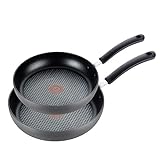
- Top Pick: T-Fal Ultimate Hard Anodized Nonstick Fry Pan Set 3 Piece: 8, 10.25, & 12 Inch, Oven Broiler Safe 400F, Kitchen Cookware Set, Pots and Pans Set Non Stick, Frying Pans, Skillets, Dishwasher Safe, Onyx
- Best Value: Utopia Kitchen Nonstick Frying Pan Set 3 Piece 8 9.5 11 Inch PFOA Free Grey | Omelette Pan, 3 Piece Skillet Set, Induction Bottom, Cookware, Heat Resistant, Bakelite Handle, Kitchen Use
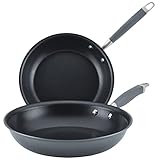
- Premium Choice: Anolon Advanced Home Frying Pan Set, Nonstick, 2-Piece, Moonstone | Fry pan set for even cooking, SureGrip handles, oven safe to 400°F, hard-anodized non stick pans
The best Teflon pan is a PTFE-coated, hard-anodised or heavy aluminium skillet from a brand with a clear coating warranty, and the T-fal, Tramontina, Calphalon, OXO and Made In families cover most budgets. PTFE pans suit eggs, fish and delicate foods at low to medium heat, and they need gentle care to last.
As an Amazon Associate we earn from qualifying purchases at no extra cost to you.


What “Teflon” means
Teflon is a brand name for a PTFE non-stick coating. Many pans use similar PTFE coatings under other names. Chemours, the owner of the Teflon trademark, states that modern PTFE coatings for cookware are made without PFOA. The practical rule from makers is to keep cooking heat moderate, avoid empty preheating and use proper ventilation. If you keep birds, note that fumes from overheated non-stick can harm them, so follow the manual and consult a vet if you are concerned.
At a glance
| Pan family | Body | Best for | Notes | Tier |
|---|---|---|---|---|
| T-fal Ultimate Hard Anodized | Hard-anodised aluminium | Everyday cooking, eggs, pancakes | Known for visible heat indicator on some lines | Budget to mid |
| Tramontina Professional series | Heavy-gauge aluminium | Restaurant-style use at home | Often used by cooks wanting thick walls | Budget to mid |
| Calphalon Classic | Hard-anodised aluminium | Households upgrading from thin pans | Multiple coating layers marketed | Mid |
| OXO Good Grips Pro | Hard-anodised aluminium | Cooks who like comfortable handles | Many sets and sizes | Mid |
| Made In non-stick | Aluminium with PTFE coating | Buyers wanting a premium feel | Sold direct, tends to be pricier | Premium |
| All-Clad HA1 or similar premium lines | Hard-anodised aluminium | Long-term cookware collectors | Higher cost, strong brand reputation | Premium |
Lines are renamed and refreshed regularly. The maker’s product page lists the current coating system, oven-safe temperature and induction compatibility.
How to choose
Pan body and base
Hard-anodised aluminium conducts heat evenly and resists warping better than thin stamped aluminium. If you have an induction cooktop, make sure the maker lists the pan as induction-compatible, which usually means a magnetic steel base.
Coating layers
Makers advertise two, three or more coating layers. More layers can help durability, but how long the coating lasts depends on heat, utensils and cleaning. Reviewers consistently say that care matters as much as price.
Size
For one or two people, a 10-inch or 12-inch skillet covers most tasks, and an 8-inch pan is handy for single eggs. A lidded sauté pan helps for sauces and shallow braising.
Handle and oven safety
Silicone-wrapped handles are comfortable but usually have lower oven limits than all-metal handles. The maker states the oven temperature, and lids may have a different limit from the pan itself.
Weight
Heavier pans hold heat but can be tiring to lift. Try to match the pan to your wrist strength and cooking style.
Pick X if
| Pick this | If |
|---|---|
| T-fal hard-anodised | You want a budget-friendly pan and accept replacing it every few years |
| Tramontina Professional | You want thick walls and sturdy handles at a modest cost |
| Calphalon or OXO | You want mid-range comfort and a wide range of sizes and sets |
| Made In or All-Clad | You value build quality and a premium brand, and will treat the pan carefully |
| Stainless or cast iron instead | You sear at high heat or want a pan that lasts decades |
Budget tiers
Budget: lighter anodised or aluminium pans with PTFE coating. They cook eggs well, but the coating tends to wear sooner.
Mid-range: heavier hard-anodised pans with reinforced coatings and better handles, which is where most buyers find the best balance.
Premium: bonded or thicker constructions, stronger warranties and refined design. Reviewers say the upgrade is in feel and lifespan, not a different kind of non-stick.
Care that extends life
- Cook on low to medium heat, since PTFE does not need high temperatures.
- Never preheat an empty pan on high.
- Use silicone, wood or nylon utensils.
- Hand wash with a soft sponge even if the maker says dishwasher-safe, since many reviewers report longer life that way.
- Let the pan cool before washing to avoid warping.
- Avoid aerosol cooking sprays, which can leave a sticky film.
- Replace the pan if the coating flakes or deep scratches show.
Safety notes
Use the exhaust fan while cooking, and follow the maker’s maximum temperature. Do not overheat non-stick pans, and keep pet birds away from the kitchen when using them. If the coating is chipped or peeling, stop using the pan. People with health concerns about cookware can ask their doctor, and the maker or the relevant food-safety authority can provide statements about the coating.
Common mistakes
- Using high heat for searing in a non-stick pan.
- Stacking pans without protective liners.
- Choosing the wrong size for the burner.
- Buying a pan not rated for induction and then finding it does not heat.
- Expecting a non-stick pan to last for decades.
Alternatives
Ceramic-coated pans such as GreenPan lines are marketed as PTFE-free, though reviewers frequently report that their non-stick performance fades faster. Carbon steel and seasoned cast iron develop natural non-stick surfaces and tolerate high heat, but need seasoning. Stainless steel suits searing and pan sauces when you use oil and heat control. Many cooks keep one PTFE skillet for eggs and a different pan for everything else.
Frequently Asked Questions
Is Teflon safe to cook with?
Makers and regulators say PTFE coatings are stable when used according to instructions, at moderate temperatures. Overheating can damage the coating, so avoid high heat and discard pans that are flaking. Ask your doctor or the maker if you have specific concerns.
How long does a Teflon pan last?
Lifespan varies with heat, utensils and cleaning, and many reviewers describe a range of a few years for everyday use. Gentle handling extends it.
Can I put Teflon pans in the oven?
Many can, but the limit depends on the handle and lid. The maker lists the maximum temperature for each model.
Do Teflon pans work on induction?
Only if the base is magnetic and the maker lists induction compatibility. Aluminium alone will not work.
Why does food start sticking over time?
Heat damage, scratches and residue from sprays or detergents can degrade the surface. A good wash with a soft sponge sometimes restores performance, but worn coatings need replacing.
What size should I buy first?
A 10-inch or 12-inch skillet is a versatile starting point for most households. Add a small 8-inch pan if you cook single eggs often.





Write Your Review
No reviews yet. Be the first to share your experience!