
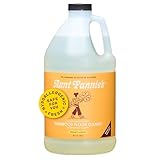
- Top Pick: Aunt Fannie's Hardwood Floor Cleaner, Vinegar-Free, Lemon, 64 oz | Makes Up to 16 Gallons, No Rinsing, Safe for Sealed Planks Engineered Surfaces & Finished Flooring, Kid and Pet Safe
- Best Value: Aunt Fannie's Hardwood Floor Cleaner, Vinegar-Free, Lemon, 32 oz, Pack of 1 | Makes Up to 16 Gallons, No Rinsing, Safe for Sealed Planks Engineered Surfaces & Finished Flooring, Kid and Pet Safe
- Premium Choice: method Hardwood Floor Cleaner, Squirt + Mop Design, Almond, 25 fl oz | One Stop Clean, No Rinsing Required, Nozzle Spray Covers Floor in Fewer Sweeps, For Sealed Hardwood and Laminate Floors
The best natural hardwood floor cleaner is a pH-neutral, plant-based formula made specifically for finished wood, used with a barely damp microfiber mop, and not a homemade vinegar mix. If your floors sit under a gaming desk and see chair wheels, snacks and bare feet, the right product depends on your finish, your tolerance for scents and how much residue you can live with.
- Know Your Finish Before You Buy
- What Natural Means on a Label
- At a Glance
- Plant-Based Ready-to-Use Sprays
- Concentrates
- Oil Soap: Read the Floor Maker’s Advice
- Why Vinegar Is a Poor Shortcut
- Pick X If You Want Y
- Budget Tiers
- How to Clean Without Damaging the Wood
- Common Mistakes
- Alternatives
- Frequently Asked Questions
As an Amazon Associate we earn from qualifying purchases at no extra cost to you.


Know Your Finish Before You Buy
Most modern hardwood floors are sealed with polyurethane or a similar surface finish, and the cleaner has to be safe for that coating. Oiled or waxed floors are different: they usually need products the flooring maker specifically approves. If you do not know which you have, drop a small amount of water on the floor. On a sealed floor it beads. On an oiled or waxed floor it may darken the wood. Always read the flooring manufacturer’s care guide, because a cleaner that suits one finish can dull another.
What Natural Means on a Label
There is no single legal definition of natural for cleaners, so labels vary. Look for ingredient lists that name plant-derived surfactants, avoid ammonia and bleach, and state that the product is made for hardwood. Terms such as plant-based or biodegradable are the maker’s claims. Third-party marks such as EPA Safer Choice appear on some products, and are worth noting if you want an outside check.
At a Glance
| Product style | Example makers | Best for | Limits |
|---|---|---|---|
| Plant-based ready-to-use spray | Method (wood floor line), Bona (hardwood floor cleaner) | Everyday sealed floors | Check the ingredient list if you want a strict natural standard |
| Concentrate to dilute | Puracy, Better Life | Larger homes, lower waste | Dilution mistakes leave residue |
| Oil soap | Murphy Oil Soap | Some traditional finishes | Many floor makers advise against it on modern sealed floors, as it can leave a film |
| Steam or water-only microfiber | Various mop makers | No-chemical routine | Excess moisture can harm wood; many flooring makers discourage steam |
| Homemade vinegar mix | None | Not advised | Acid can dull the finish over time, according to flooring makers |
Plant-Based Ready-to-Use Sprays
Bona is a flooring-care specialist and sells a hardwood floor cleaner designed for sealed wood, including a spray mop format. Method offers a plant-based wood floor product that reviewers often describe as having a mild scent. Both are convenient: spray lightly, wipe with microfiber, and let the floor dry within a minute or two.
The trade-off is that convenience formulas are rarely fragrance-free. If you are sensitive to scents, look for an unscented variant and read the maker’s description before you buy.
Concentrates
Concentrated cleaners from brands such as Puracy and Better Life ask you to dilute a small amount into a bucket or spray bottle. They tend to cost less per use and cut plastic waste. The main risk is using too much, which leaves a tacky film that attracts dust. Follow the maker’s dilution ratio precisely, and use a separate clean microfiber pad for rinsing if the floor feels sticky.
Oil Soap: Read the Floor Maker’s Advice
Murphy Oil Soap is plant-based and long used on wood, but many flooring manufacturers advise against oil soaps on polyurethane-sealed floors because residue can build up and make the surface look dull. If your warranty paperwork lists approved cleaners, follow that list first.
Why Vinegar Is a Poor Shortcut
Vinegar is popular online, yet several flooring care guides advise against it on sealed hardwood because the acid can gradually dull the finish. A natural label does not guarantee a product is safe for your floor, and the same applies to kitchen ingredients. Stick to products and routines that your flooring maker names.
Pick X If You Want Y
| Pick this | If you |
|---|---|
| Hardwood-specific spray from a flooring brand | want the simplest weekly routine on sealed wood |
| Plant-based concentrate | clean a large area and want less packaging |
| Unscented formula | are sensitive to fragrance or share space with pets |
| Dry microfiber and dust mop only | have an oiled or waxed floor and want to avoid liquids |
| Floor maker-approved cleaner | want to protect a warranty |
Budget Tiers
Budget: A concentrate, a spray bottle and a washable microfiber pad give the lowest cost per clean.
Mid-range: A ready-to-use spray from a recognised flooring or plant-based brand, with refills.
Premium: A spray mop system from a flooring maker, with replaceable washable pads and a matching cleaner.
How to Clean Without Damaging the Wood
- Dust or vacuum first with a soft floor head, so grit does not scratch the finish.
- Spray the mop pad, not the floor, or mist a small area at a time.
- Wipe along the grain with a damp, not wet, microfiber pad.
- Dry any visible moisture right away, especially near seams.
- Wipe spills promptly, particularly drinks near a desk or kitchen.
- Place felt pads under chair legs and use a chair mat or rug under a rolling gaming chair.
Common Mistakes
- Soaking the floor with a wet mop, which can warp boards or seep into seams.
- Using too much concentrate, causing a sticky film.
- Mixing cleaners, especially anything containing ammonia or bleach with other products.
- Ignoring the manufacturer’s care guide.
- Using steam mops without checking whether the floor maker allows them.
- Letting grit build up under chair wheels.
Alternatives
- Warm water with a nearly dry microfiber: Enough for light daily dirt on many sealed floors.
- Manufacturer’s own cleaner: Some flooring brands sell a matched product.
- Professional recoating or screen-and-recoat: For dull floors that cleaner cannot restore.
- Rugs and mats: Reduce wear in high-traffic spots such as around a desk.
Frequently Asked Questions
Is natural cleaner always safe for hardwood?
No. Natural describes ingredients, not suitability for your finish. A product has to be designed for sealed wood or approved by your flooring maker. Always test on a hidden spot first.
Can I use vinegar and water on hardwood floors?
Many flooring care guides advise against it, saying acid may dull a polyurethane finish over time. A cleaner made for hardwood is safer. Follow your floor manufacturer’s guidance.
How often should I clean hardwood floors?
Dust or vacuum as often as dirt shows, often weekly in busy rooms. Damp clean as needed, not constantly. Wipe spills immediately.
Are steam mops okay on hardwood?
Many flooring makers discourage them because heat and moisture can damage boards and finish. Read your warranty or care guide before trying one.
What about floors with pets?
Choose unscented or lightly scented products and keep the floor from staying wet. If a pet sniffs or licks a product, read the label and call a veterinarian if you are concerned.
Do I need to rinse after cleaning?
Most ready-to-use hardwood cleaners are no-rinse. Concentrates may need a damp rinse pass if the floor feels sticky. Follow the maker’s directions.





Write Your Review
No reviews yet. Be the first to share your experience!