
- Top Pick: Large Steam Iron Press, 1600W Intelligent Steam Machine Professional Commercial Iron Press Machine Adjustable Temperature Steam Ironing Machine w/5 Fabric Modes & Spray Bottle for Home Clothes (White)
- Best Value: Speedypress Ironing Steam Press – 22 Inch Clothes Press Machine for Home – 5 Temperature Settings for All Fabrics and Steam Burst Function for Perfect Ironing
- Premium Choice: Large Steam Iron Press, 1600W Intelligent Steam Machine Professional Commercial Iron Press Machine Adjustable Temperature Steam Ironing Machine w/5 Fabric Modes & Spray Bottle for Home Clothes (Blake)
For most households a steam generator iron from a maker like Rowenta or Philips gives the best mix of speed and crease removal, a true steam press such as the Reliable or Laurastar lines suits people who press large volumes of shirts and linens, and a handheld or garment steamer suits quick refreshes. The right pick depends on how much you press, which fabrics you handle and how much storage space you have.
- Iron, press or steamer: what the terms mean
- At-a-glance comparison
- Steam generator irons: the household workhorse
- Steam presses for larger volumes
- Standard steam irons and steamers
- Pick X if… decision table
- Features to compare
- Safety and care
- Common mistakes
- Alternatives
- Matching the tool to your fabrics
- Maintenance routine
- Frequently Asked Questions
As an Amazon Associate we earn from qualifying purchases at no extra cost to you.

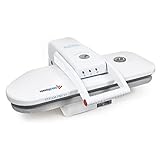
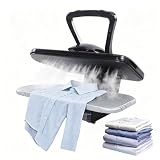

Iron, press or steamer: what the terms mean
A traditional iron slides over fabric. A steam generator iron connects to a separate pressurised boiler, letting you press with more steam for longer. A steam press, sometimes called an iron press, clamps fabric between a heated pad and a plate, much like a laundry press, so you treat larger areas at once. A garment steamer relaxes wrinkles without contact. Each has a niche, and you may use more than one.
Gamers who wear team shirts, convention outfits or cosplay will find that fabric type matters more than the label on the box. Always check the garment’s care label and the appliance manual before pressing.
At-a-glance comparison
| Type | Example makers | Best for | Maker-stated features | Limits |
|---|---|---|---|---|
| Steam generator iron | Rowenta, Philips, Tefal | Households that press weekly | Separate water tank with pressurised steam, adjustable steam levels, auto-off safety on many models | Bulky base; takes time to heat |
| Premium steam system | Laurastar | Frequent pressers, small tailors | Integrated ironing board and steam unit | Premium tier; large |
| Steam press | Reliable, Steamfast | Shirts, linens and bulk work | Clamp press, wide plate | Large footprint; less suited to small seams |
| Standard steam iron | Black and Decker, Panasonic, Sunbeam | Occasional use, small spaces | Soleplate options, vertical steam | Slower on heavy wrinkles |
| Garment steamer | Various | Quick refreshes, delicate fabrics | Fast heat-up, vertical use | Does not press creases sharply |
Steam generator irons: the household workhorse
Rowenta and Philips both sell steam generator systems, and outlets like Wirecutter and Good Housekeeping have long treated this style as the step up for people who iron often. The pressurised tank supplies steady steam, which cuts the number of passes. Features differ by model, so read the maker’s list for steam output, tank capacity and soleplate type. Reviewers frequently mention the trade-off in weight and storage, as the base and hose take space.
Check whether the model needs filtered or descaling-friendly water; the maker’s manual explains what water to use and how to descale. Hard water shortens the life of any steam appliance if ignored.
Steam presses for larger volumes
A steam press like those from Reliable or Steamfast uses a clamping plate. It excels on shirts, bedding and curtains because you press an area at a time instead of dragging an iron. Reviewers note a learning curve for sleeves and collars. If you handle dozens of garments a week, the time saved can be real. For a few items weekly it is likely oversized.
Standard steam irons and steamers
A well-regarded standard iron from Black and Decker, Panasonic or Sunbeam remains perfectly good for occasional use at the budget tier. A steamer handles hanging garments, travel items and fabrics that dislike contact. For delicate or specialty fabrics, rely on the care label and the temperature guidance printed in the manual rather than guessing.
Pick X if… decision table
| If you… | Pick |
|---|---|
| Press a handful of items weekly and want faster results | Steam generator iron (Rowenta or Philips) |
| Press lots of shirts and linens | Steam press |
| Want an all-in-one board and steamer with premium build | Laurastar-style system |
| Iron occasionally with little space | Standard steam iron |
| Mostly refresh hanging garments or travel | Garment steamer |
Features to compare
- Steam output and boost: maker-stated figures help compare, though real results depend on fabric.
- Water tank capacity: a bigger tank means fewer refills during a session.
- Soleplate material: ceramic, stainless steel or coated; the manual explains care.
- Auto shut-off: a safety feature many makers list; only rely on it if the maker states it for your model.
- Cord length and hose length: measure your ironing area.
- Anti-scale features: collectors or cartridges prolong life.
- Weight and storage: check footprint before you buy.
Safety and care
Pressing appliances get very hot. Keep them out of reach of children and pets, never leave them on unattended, and let them cool before storing. Use the cord and outlet recommended by the maker and avoid extension cords for high-wattage models. If the cord, plug or housing is damaged, stop using the appliance and contact the maker or a qualified repairer.
Common mistakes
- Ignoring the care label and scorching synthetic fabrics.
- Using tap water where the manual calls for another type.
- Skipping descaling, which causes spitting and clogs.
- Buying a press for an occasional use case.
- Pressing over buttons, zips or prints without a pressing cloth.
Alternatives
A handheld steamer, a tabletop ironing board with a standard iron or a professional laundry service can cover light needs. Some people prefer a mini travel iron for conventions and trips.
Matching the tool to your fabrics
Cotton and linen tolerate high heat and strong steam, which is where generator irons and steam presses shine. Wool, silk and many synthetics need lower temperatures and often a pressing cloth, and some fabrics should never be pressed flat at all. Dark clothing can show shine if pressed directly, so turning garments inside out is a common tip from care guides. Embellished gaming merchandise, screen prints and cosplay materials often melt or crack under direct heat, so test on a hidden area at a low setting and read the garment label first. When a fabric is uncertain, a vertical steamer is the gentler route.
Maintenance routine
Empty the tank after use if the maker advises it, wipe the soleplate when cool, and descale on the schedule in the manual. Store the appliance upright or as directed, with the cord loosely coiled rather than tightly wound. These small habits extend the life of any pressing appliance and keep stains off clothes.
Frequently Asked Questions
Is a steam press better than an iron?
A press covers more area per stroke and suits shirts and linens, while an iron is more precise for seams and small items. Which is better depends on volume and garments.
Can I use a steam generator iron on delicate fabrics?
Many include low-temperature settings, but you should follow the care label and the maker’s guidance. A pressing cloth can reduce risk.
What water should I use?
Follow the maker’s manual, since needs vary by model and local water hardness. Regular descaling extends the appliance’s life.
How long does heat-up take?
Makers list ready times in their specs, and generators generally need longer than a standard iron. Check the figure on the model you are considering.
Are these appliances safe to leave on?
Do not leave any pressing appliance unattended. Some models have auto shut-off, but only trust it if the maker lists it.







Write Your Review
No reviews yet. Be the first to share your experience!