
- Top Pick: Muck Arctic Pro Tall Rubber Insulated Extreme Conditions Men's Hunting Boots
- Best Value: ALEADER Winter Boots for Men, Waterproof Snow Boots Hiking Shoes Black 12 D(M) US
- Premium Choice: NORTIV 8 Men's Waterproof Hiking Winter Snow Boots,Black/1,12 | Insulated Construction Hunting Ski Work Boots TUNDRA
For deep-cold standing around, a tall pac-style boot such as the Sorel Caribou or a neoprene boot such as the Muck Boot Arctic line suits most buyers, while a lighter insulated hiker like the Columbia Bugaboot or Merrell Thermo line suits active, moderate-cold use. The key is matching insulation and waterproof construction to how much you move, since a boot that is perfect for ice fishing can overheat on a brisk commute.
- Start with how you will use them
- Comparison table
- Sorel Caribou: the cold-weather benchmark
- Muck Boot Arctic line: neoprene and pull-on convenience
- Columbia and Merrell: lighter insulated boots
- Budget tier: Kamik and similar
- Pick X if… decision table
- How to choose: what the specs mean
- Common mistakes
- Alternatives
- Frequently Asked Questions
As an Amazon Associate we earn from qualifying purchases at no extra cost to you.

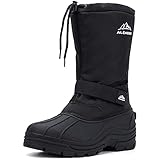
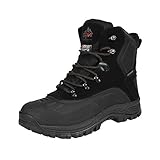

Start with how you will use them
Insulated waterproof boots fall into three practical camps. Pac-style boots pair a rubber lower with a removable felt liner and are built for low temperatures and slush. Neoprene boots hold warmth through a stretchy waterproof shell and are common among farm, yard and hunting users. Insulated hikers use a membrane-lined leather or synthetic upper and are lighter for walking. Pick the camp first, then compare models.
Gamers and desk workers often want something simple: a boot that handles a snowy walk to a venue, a cold car park or a winter commute without soaked socks. For that use, lighter insulated hikers or winter boots with a stated waterproof construction are plenty.
Comparison table
| Boot | Best for | Maker-stated features | Limits |
|---|---|---|---|
| Sorel Caribou | Deep cold, snow, standing in slush | Waterproof construction, removable felt liner, rubber lower, the maker advertises an extreme-cold temperature rating | Heavy and bulky; can overheat when walking fast |
| Muck Boot Arctic Sport / Arctic Ice line | Yard work, chores, cold wet ground | Waterproof neoprene shell with fleece or thermal lining, pull-on design | Less breathable; less ankle support for hiking |
| Columbia Bugaboot III | Everyday winter walking and light trails | Waterproof, insulated, lace-up with a rugged outsole | Warmth rating lower than a pac boot |
| Merrell Thermo Rogue 3 / Thermo Kiruna line | Active hikers wanting a lighter insulated boot | Waterproof upper, insulation and a winter-oriented tread | Not for stationary extreme cold |
| Kamik Nation Plus | Budget-tier cold-weather pac boot | Rubber lower with removable liner | Fewer comfort and support features |
| Bogs Classic Winter style | Muddy, wet routines and farm use | Waterproof pull-on with insulation; handles on many styles | Not designed for long hikes |
Sorel Caribou: the cold-weather benchmark
The Caribou has been a staple of winter footwear for years. The maker describes a waterproof build with a removable felt inner boot and a rubber shell, and promotes a very low temperature rating. Outlets like Outdoor Gear Lab and Wirecutter have repeatedly noted that these boots favour warmth over agility. They are an excellent fit for shoveling, spectating outdoors or standing in the cold, and a poor fit for long brisk walks. Model updates happen, so match the exact edition against the maker’s listing.
Muck Boot Arctic line: neoprene and pull-on convenience
Muck Boot specializes in waterproof neoprene footwear. The Arctic line adds thermal lining and rugged outsoles for cold, muddy conditions, and the maker states temperature ranges for various models. Reviewers report that these boots stay warm when you are active in wet ground, but they retain moisture inside when you sweat, so dry them between uses. They are a good tier for people who do chores outside daily.
Columbia and Merrell: lighter insulated boots
If your cold-weather use includes real walking, a lighter boot reduces fatigue. Columbia’s Bugaboot line and Merrell’s Thermo line use waterproof constructions and insulation, with lug outsoles for snow and wet pavement. Reviewers generally describe them as comfortable for commuting and moderate hiking. The trade-off is lower warmth for standing still in severe cold, so layer thicker socks rather than choosing a size that is too tight.
Budget tier: Kamik and similar
Kamik, Baffin’s lighter lines and comparable makers sell rubber-lower, removable-liner boots at the budget tier. These are a sensible choice for snow days and occasional use. Expect simpler cushioning and less support than at higher tiers, and check the maker’s stated warmth rating against your conditions.
Pick X if… decision table
| If you need… | Pick |
|---|---|
| Maximum warmth for standing in snow or slush | Sorel Caribou or similar pac boot |
| Waterproof warmth for chores and mud | Muck Boot Arctic line or Bogs winter style |
| A winter boot you can walk several miles in | Columbia Bugaboot or Merrell Thermo line |
| A low-cost boot for occasional snow days | Kamik Nation Plus or equivalent |
| A boot for commuting plus the odd trail | Insulated hiker with a waterproof membrane |
How to choose: what the specs mean
- Temperature ratings: these are maker-stated and usually assume low activity. They are a guide, not a guarantee, and individual circulation varies.
- Waterproof construction: sealed seams, a rubber lower or a membrane. A fully rubber shell blocks water entirely but breathes less.
- Insulation: removable felt liners can be dried separately; synthetic insulation in hiking boots is lighter.
- Outsole: deep lugs and a rubber compound designed for cold help on ice, though no outsole is slip-proof. Add traction cleats for glare ice.
- Fit: leave room for a thick sock but keep the heel locked. A boot that is too tight cuts circulation and feels colder.
- Weight: heavy pacs tire you on long walks.
Common mistakes
- Buying the warmest rating for a mostly active use, then sweating through the lining.
- Wearing cotton socks, which hold moisture. Merino or synthetic socks are usually advised by outdoor outlets.
- Ignoring boot care: dry the liners, clean the outsoles and reapply any water-repellent finish the maker advises.
- Assuming waterproof means it will survive submersion over the top of the shaft.
- Skipping a fit test with the socks you will actually wear.
If you have diabetes, poor circulation or numbness in your feet, speak to a doctor or podiatrist about cold-weather footwear.
Alternatives
Other makers such as Keen, LaCrosse, Baffin, Salomon and The North Face sell insulated waterproof boots in every tier. Work-boot brands also offer insulated, waterproof safety-toe models for job sites. Look for the same stated attributes: waterproof construction, insulation type, temperature rating and weight.
Frequently Asked Questions
What temperature rating do I need?
Ratings are maker estimates and assume limited movement. For occasional snow days, a moderate rating is plenty, while deep-cold standing work calls for a pac-style boot with a low stated rating plus warm socks.
Are waterproof boots breathable?
Membrane-lined hikers are the most breathable, while rubber and neoprene boots trap more moisture. If your feet sweat heavily, change socks and dry the liners often.
Should I size up for winter boots?
Many people go up a half size to fit thick socks, but too much room causes heel slip and blisters. Try the boots with your winter socks, and use the maker’s sizing notes.
How do I clean and dry insulated boots?
Remove liners, let them air dry away from direct heat, and wipe the shell. Follow the maker’s care instructions since heat can damage glues and foam.
Can I use them on ice?
Winter outsoles help, but none grip glare ice reliably. Add strap-on traction devices if you will cross ice regularly.







Write Your Review
No reviews yet. Be the first to share your experience!