
For a tubeless motorcycle, bicycle or ATV tire that will not seat, a lubricating bead paste plus a burst-of-air bead seater tool solves most problems, while a brush-on rubber bead sealer is the better pick when the leak is where the bead meets the rim. Which one you need depends on whether the tire is failing to seat, or seated and weeping air.
As an Amazon Associate we earn from qualifying purchases at no extra cost to you.


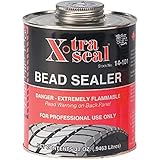

What a bead sealer does
A tire bead is the stiff edge that locks the tire against the rim flange. If the rim is corroded, dirty or slightly rough, air can seep out between the bead and rim. A bead sealer is a brush-on or liquid compound that fills those gaps. Bead lubricant, by contrast, is a slippery paste or lube that helps the bead slide into position when mounting. Many guides mix the two terms, so read product descriptions to see which job the maker states.
Product types at a glance
| Type | Examples | Best for | Limit |
|---|---|---|---|
| Brush-on rubber bead sealer | Generic bead sealer compounds sold for car, truck and trailer tires | Corroded steel or alloy rims, slow leaks at the bead | Messy, needs clean rim, not a fix for a damaged bead |
| Bead lubricant paste | Tire mounting paste and soap-style lube | Mounting and seating stubborn beads | Does not stop an existing leak |
| Bead seater tool | Bead Bazooka and similar air-burst tools | Seating tubeless tires with a compressor tank | Needs an air supply, follow pressure limits |
| Tubeless sealant | Stan’s NoTubes, Orange Seal, Muc-Off, Slime | Bicycle and light tubeless tires, sealing small punctures | Not a rim-corrosion fix, needs refresh over time |
| Rim cleaning supplies | Wire brush, abrasive pad | Removing corrosion first | Preparation only, not a sealer |
Brands, formulas and approved applications differ, and a sealer made for car tires is not necessarily rated for bicycles or motorcycles. Follow the maker’s label for the vehicle type and operating conditions.
How to choose
Identify the actual problem
A tire that will not hold any air while mounting usually needs lubricant and a burst of air. A seated tire that loses a few pounds a day often has a rim-edge leak, which suggests a bead sealer after cleaning. A tire that leaks through the tread or sidewall needs a puncture repair or replacement, not a bead product.
Match the vehicle
Bicycle tubeless setups mostly rely on liquid tubeless sealant plus tubeless-ready rim tape. Car and truck tires on steel wheels more often use rubber bead sealer. Motorcycles and ATVs vary, so follow the tire maker’s mounting instructions.
Rim material
Corrosion on aluminium or steel rims is the most common cause of bead leaks. Clean back to bare, sound metal first, since sealer will not stick to loose rust. Severely pitted rims may need replacement.
Application ease
Brush-on sealers come with an applicator. Clean, dry rims help the product adhere. Many makers specify curing time before inflating, so read the label.
Rubber compatibility
Some petroleum-based products can damage rubber. Choose products the maker states are tire-safe and avoid household oils or silicone sprays on beads, which can reduce grip on the rim.
Picks by budget tier
Budget tier: basic bead lube and rim cleaning
Often a wire brush, clean rag and bead lubricant are all that is needed for a stubborn tire. This is the least expensive approach and should come first.
Mid-range tier: brush-on bead sealer
If a clean rim still leaks, a rubber bead sealer brushed onto the rim edge is a standard fix in tire shops. Choose a product made for your wheel type and follow the cure time.
Premium tier: seater tool plus quality tubeless sealant
For tubeless bicycle and off-road users, a bead seater tool or a floor pump with a tubeless chamber, plus a reputable sealant such as Stan’s NoTubes or Orange Seal, is the common setup. The tool is reusable and saves frustration at the roadside.
Pick X if…
| If you have | Pick |
|---|---|
| A tire that will not seat during mounting | Bead lubricant and a seater tool |
| A seated tire with a slow bead leak | Clean rim, then brush-on bead sealer |
| A tubeless bicycle tire | Tubeless-ready rim tape and liquid sealant |
| A heavily corroded rim | Replacement rim, not just sealer |
| Small tread punctures | Tubeless sealant or a plug repair |
Safety notes
- Seating tires with compressed air stores energy. Never exceed the maximum inflation pressure printed on the tire sidewall, wear eye protection and stay clear of the tire during inflation.
- Never use flammable propellants or explosive mixtures to seat a bead. The tire maker and tool maker warn against this.
- Use products in a ventilated area and follow the safety data sheet for solvents or sealers.
- If the tire or rim is cracked, bent or heavily corroded, have a tire professional inspect it rather than relying on a sealer.
Alternatives
- Replace the valve stem. A leaking valve is often mistaken for a bead leak.
- Replace the tire. An old, hardened bead may never seal well.
- Use an inner tube. On a rim that will not seal tubeless, a tube is a simple fallback.
- Professional service. A tire shop can clean, seal and balance the wheel.
Common mistakes
- Applying sealer over loose rust or dirt.
- Confusing bead lubricant with sealer.
- Over-inflating to force a bead to seat.
- Ignoring a cracked or bent rim.
- Using a car-tire product on a bicycle without checking the label.
- Forgetting to leak-test with soapy water to find the real source.
Where this matters for gamers
This is a workshop topic, but plenty of PC builders also ride bikes, run ATVs or maintain trailers for hauling gear to events. A tidy repair kit with a tire gauge, soapy-water spray bottle, bead lube and a small brush is cheap and saves a lot of time.
Frequently Asked Questions
Is bead sealer the same as tire sealant?
No. Bead sealer fills gaps between the bead and rim. Tire sealant is a liquid inside a tubeless tire that plugs small punctures. They solve different problems.
How do I know if my leak is at the bead?
Spray soapy water around the bead and rim edge. Bubbles show the leak location. Also check the valve stem and any rim welds.
How long should bead sealer cure?
It varies by product. The maker lists a cure or tack time on the label, so follow it before mounting and inflating.
Can I use bead sealer on bicycle rims?
Only if the maker states it is suitable. Most bicycle tubeless setups rely on rim tape and liquid sealant instead.
Is it safe to use a bead seater tool?
It can be when used as the maker instructs, with pressure below the tire’s maximum and eye protection. If unsure, have a tire shop do the job.
When should I replace the rim instead of sealing it?
If the rim is bent, cracked or deeply pitted at the bead seat, replacement is the safe option. A sealer cannot restore structural damage.





Write Your Review
No reviews yet. Be the first to share your experience!