
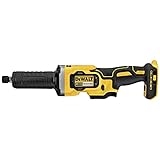
- Top Pick: DEWALT DCG426B 20V Max Variable Speed Die Grinder, Tool Only
- Best Value: Milwaukee Electric – M12 Fuel 1/4 INCH Right Angle DIE Grinder Tool
- Premium Choice: VEVOR Cordless Angle Grinder 12V 4-Speed 23000RPM with 2PCS 2000mAh Battery | For Rust Removal, Grinding, Polishing, 1/4" Collet Right-Angle Power Grinder, 360W Brushless Motor, Lightweight Grip
For most buyers a brushless cordless die grinder from an established 18V or 20V platform that you already own is the sensible choice, with straight-style units suiting general metal cleanup and angled or right-angle units suiting tight spaces such as PC-case modding, engine ports and exhaust work. Cordless die grinders are lighter and easier to handle than air tools, and they remove the need for a compressor, but they cost run time and sometimes top speed. This guide explains how to choose and which type fits which job.
As an Amazon Associate we earn from qualifying purchases at no extra cost to you.


At a glance
| Type | Best for | Typical stated traits | Limits |
|---|---|---|---|
| Straight brushless die grinder (1/4 inch collet) | Deburring, weld cleanup, porting, case modding | Variable speed, tens of thousands of rpm on many models, brushless motor | Bulkier in tight spots |
| Right-angle or angled die grinder | Engine bays, cabinet interiors, hard-to-reach edges | Compact head, similar collet range | Less leverage, fewer accessory choices |
| Mini or compact cordless rotary tool | Detail polishing, light carving, electronics enclosures | Small collet, low torque | Not suited to heavy stock removal |
| Corded or pneumatic grinder | All-day shop use | Constant power or air-driven | Cable or compressor required |
Which brands make sense
Milwaukee (M18 Fuel), DeWalt (20V MAX XR), Makita (18V LXT), Ryobi (18V ONE+ and HP brushless) and Bosch (18V) all list cordless die grinders in their ranges. Reviewers from outlets such as Pro Tool Reviews and Tools in Action have repeatedly covered these brands, and the typical advice is that the best platform is the one whose batteries you already own. Model names and kit contents change between production runs, so read the maker’s page for the exact tool, voltage and what is included.
Compare brands by their stated speed range, collet size, switch design and whether the tool is sold bare or as a kit with battery and charger. A bare tool is cheaper if you already have compatible packs.
What to look for
Brushless motor
Brushless motors generally run cooler, last longer and can give better run time than brushed motors, according to tool makers and independent reviewers. For regular use, brushless is the sensible standard, while a brushed model fits occasional jobs and tight budgets.
Speed control
Variable speed matters because abrasives, burrs and polishing wheels each have a safe operating range. A speed dial or multi-step setting helps match the accessory. Always check the maximum rpm rating printed on the accessory and never exceed it.
Collet size
The 1/4 inch collet is the common standard and accepts most carbide burrs and mounted points. Some tools also accept 1/8 inch or 6 mm collets through inserts. Check that the collet matches your accessory shank diameter before you buy.
Body style and handling
Straight grinders have a slim barrel that you grip like a pencil or a wand. Angled units suit working on surfaces where a straight body will not fit. A slim barrel with a rubberized grip reduces fatigue. Paddle switches with a lock-off are common and safer than a plain slide switch.
Battery and run time
Run time depends on pack capacity and load. A 2 Ah pack is lighter, while 5 Ah or larger packs run longer but add weight to a handheld tool. Heavy stock removal draws more power than light polishing.
Dust and guarding
Die grinders produce sparks and fine metal dust. A guard, where the tool offers one, helps with larger wheels. Wear eye protection, hearing protection, gloves and a dust mask or respirator suitable for the material.
Accessories that change results
- Carbide burrs: remove material fast from steel, aluminum and plastic when used at the speed the burr maker lists.
- Mounted stones: grind and sharpen; check their rated rpm.
- Abrasive flap wheels and sanding drums: blending and finishing.
- Polishing felts and mops: final polish on metal and acrylic.
- Cut-off wheels: only if the tool maker states the tool supports them and a guard is fitted.
Budget tiers
| Tier | Typical buyer | What you gain | What you give up |
|---|---|---|---|
| Budget | Hobbyist and occasional user | Lower cost, a basic set of speeds | Brushed motors common, shorter life, fewer accessories |
| Mid-range | Serious home-garage user | Brushless, variable speed, good ergonomics | Can be heavier than mini tools |
| Premium | Professional fabricator | Higher output, durable build, strong warranty | Higher cost, bigger battery packs |
Pick this if you…
| Situation | Choice |
|---|---|
| Already own Milwaukee, DeWalt or Makita batteries | Stay in your platform and buy the bare tool |
| Need to work inside tight enclosures or engine bays | Right-angle model |
| Mostly polish and detail small parts | Compact rotary tool rather than a full die grinder |
| Grind welds or port metal regularly | Brushless straight grinder with variable speed |
| Work all day in a shop with air available | Pneumatic tool remains an option |
Common mistakes
- Choosing by brand alone and then buying a second battery system.
- Using accessories rated below the tool’s maximum speed. Burrs and stones can shatter.
- Ignoring the collet size and ending up with mismatched shanks.
- Skipping protective gear. Sparks, chips and dust are routine with this tool.
- Using a cordless die grinder like a cut-off tool without a guard.
Safety notes
Follow the maker’s manual. Secure the workpiece with a clamp or vise, keep flammable materials away from sparks, and let the tool reach full speed before touching the surface. Remove the battery before changing accessories. Replace chipped or cracked burrs and stones. If a tool smells hot, vibrates strongly or the battery swells, stop use and contact the maker.
Alternatives
- Cordless rotary multi-tool: better for fine detail and small enclosures.
- Cordless angle grinder: a better fit for cutting and heavy grinding with larger discs.
- Cordless oscillating tool: useful for flush cutting and scraping, not for burr work.
- Air die grinder: high power-to-weight and low cost per tool, but needs a large enough compressor.
Frequently Asked Questions
Are cordless die grinders as powerful as air models?
Air die grinders are known for high power-to-weight ratios, and modern brushless cordless units have narrowed the gap for light and medium work. Heavy stock removal for long periods is still a strength of air tools. Check the maker’s listed speed and torque if the job is demanding.
What collet size should I get?
The 1/4 inch collet is the most common and has the widest accessory selection. If you use 1/8 inch accessories, look for a tool that lists collet adapters. Match the shank to the collet exactly.
Is brushless worth it?
For regular use, yes in most cases. Makers and reviewers say brushless motors run cooler and use battery energy more efficiently. Occasional users can choose a brushed model if cost matters more.
Can I use a die grinder for polishing?
Yes, with felt bobs or polishing mops at a speed the accessory maker lists. Lower speed and light pressure reduce heat and swirl marks. Metal and plastic respond differently, so test on a scrap piece first.
How do I know an accessory is safe on my tool?
Read the maximum rpm printed on the accessory and compare it to the tool’s top speed setting. Only use accessories rated at or above that speed. If the rating is missing, do not use the accessory.
Which battery size is best?
Smaller packs keep the tool light for overhead and detail work, while larger packs give more run time for steady grinding. Many users keep both sizes. Use the pack range the tool maker lists as compatible.





Write Your Review
No reviews yet. Be the first to share your experience!