
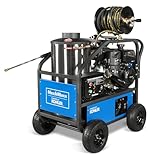
- Top Pick: MechMaxx 4000 PSI 4 GPM HONDA E-Start Engine Hot Water Pressure Washer | 389 cc 11.7 HP; Portable with 13" Pneumatic Tires; with Hose Reel; 200℉ (93℃) Max Temperature; 1 Years After-sales Service
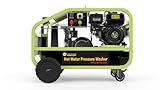
- Best Value: MechMaxx 4000 PSI 4 GPM DUCAR E-Start Engine Hot Water Pressure Washer | 420 cc 15 HP; Portable with 13" Pneumatic Tires; with Hose Reel; 200℉ (93℃) Max Temperature; 1 Years After-sales Service
- Premium Choice: MechMaxx 4000 PSI 4 GPM KOHLER E-Start Engine Hot Water Pressure Washer | 429 cc 14 HP; Portable with 13" Pneumatic Tires; with Hose Reel; 200℉ (93℃) Max Temperature; 1 Years After-sales Service
A portable hot water pressure washer suits you if you clean grease, oil or baked-on grime from a workshop, trailer, garage floor or equipment, and a cold-water unit keeps leaving a film behind. For ordinary car, deck and siding washing, a good cold-water electric or gas unit is the simpler and cheaper answer, and that is where most buyers should stop.
As an Amazon Associate we earn from qualifying purchases at no extra cost to you.


What “portable” really means with heated water
Hot water units fall into three practical groups. The first is the true portable electric hot water washer: a compact, wheeled machine with a small heating coil, usually running from a standard household or 230-volt supply. The second is the diesel- or kerosene-fired burner unit with an electric pump, often mounted on a frame with pneumatic wheels. The third is a trailer or skid-mounted gas-engine machine, which is mobile but not something you carry. Makers such as Kärcher (HDS range), Mi-T-M, Simpson, Hotsy, Alkota and Northstar all sell heated washers in these classes, and product pages list the pressure, flow and temperature rise for each model.
Because lineups change often, read the maker’s current spec sheet before buying. This guide explains how to choose rather than promising that any single model is available in your region.
At a glance: types of heated pressure washers
| Type | Best for | Typical stated traits | Limits |
|---|---|---|---|
| Compact electric hot water | Garage, workshop, small fleet, kennel or kitchen-exhaust cleaning | Electric motor and heating element, modest flow, wheeled frame | Limited temperature rise and flow; needs the right circuit |
| Diesel or kerosene burner, electric pump | Heavy grease, farm equipment, commercial kitchens | Fuel-fired coil, higher temperature rise, needs fuel tank | Heavier, needs ventilation and maintenance, descaling of coil |
| Gas-engine trailer or skid | Job sites with no power | Engine-driven pump plus burner | Not truly portable, noisy, outdoor use only |
| Cold water with detergent injector | Cars, decks, siding | Lower cost, lighter, fewer parts | Struggles with oily soils |
Specs that decide the purchase
Pressure and flow together
Pressure is listed in PSI and flow in gallons per minute. Cleaning power is closely tied to both, and many makers also quote “cleaning units” (PSI multiplied by GPM). A heated machine with low flow can still clean well on grease because heat does part of the work, but a very low flow takes longer on large surfaces.
Temperature rise
Makers often state the maximum outlet temperature or the temperature rise over inlet water. Rise matters more than the headline number: a coil that adds a given number of degrees to cold well water produces a cooler spray than the same coil on warm inlet water. Look for a stated rise at the rated flow, not just a peak at a trickle.
Power supply
Electric hot water units draw significant current. Some run from a standard outlet; others need a dedicated 230-volt circuit. Have a licensed electrician confirm your wiring before plugging in a heating washer, and follow the manual on extension cords, which are often prohibited.
Burner and fuel
Fuel-fired burners need a vented space. Never run one indoors without the ventilation the manual requires, because exhaust contains carbon monoxide. Fuel type, tank size and the presence of a thermostat and flame-failure safety are all listed by makers; treat a missing safety feature as a reason to look elsewhere.
Pump and hose
Triplex pumps are common in higher-end units and are marketed on durability, while axial cam pumps appear on lighter-duty models. Heat-rated hose and a spray gun with an insulated handle are worth looking for.
Pick by use case
| Pick this if you | Choose | Why |
|---|---|---|
| Clean a home garage floor and tools a few times a year | Compact electric hot water or a good cold unit with degreaser | Lower cost, less maintenance |
| Run a small mobile detailing or cleaning business | Diesel-burner electric-pump unit from a commercial maker | Strong heat, serviceable parts |
| Work remote sites without power | Gas-engine hot water on a skid or trailer | No outlet required |
| Cook or process food on site | Commercial-kitchen rated hot water model | Stated hygiene and grease duty |
| Only wash vehicles, patios and siding | Cold water electric | Heat adds cost without much benefit |
Budget tiers without prices
At the budget tier you will mostly find compact electric hot water washers and a few entry-level burner models; expect lower flow, plastic fittings on some, and shorter warranties. The mid-range brings better pumps, stainless coils and thermostat controls. The premium tier is dominated by professional diesel-fired machines with triplex pumps, serviceable burners, and warranties that cover the coil and pump separately. Reviewers on trade and consumer outlets generally point out that coil life depends on water quality, so a descaler or inline filter is a sensible add-on where water is hard.
Safety and surface notes
- Hot water can strip paint, damage seals, soften asphalt sealants and cause scalds. Test on a hidden area first.
- Do not aim at people, pets, windows with failing seals or electrical equipment.
- Wear closed shoes, eye protection and gloves; the lance and hose can become hot.
- Let the burner cool with water running if the manual calls for it, to prevent coil damage.
- Do not use flammable cleaners with fuel-fired burners. Use only detergents the maker approves.
- Many regions require capturing runoff from oily washing; check local rules.
Common mistakes
- Buying on pressure alone and ignoring flow and temperature rise.
- Assuming an outlet at home can feed a heating element without checking the circuit.
- Skipping coil descaling, which shortens burner life.
- Running a fuel-fired unit in a closed garage.
- Paying for hot water when the real need is a stronger detergent and dwell time.
Alternatives to a heated washer
A cold-water machine with a downstream detergent injector and a purpose-made degreaser often handles light oil. A pressure-washer surface cleaner speeds up flat concrete. For occasional heavy jobs, renting a hot water unit by the day avoids owning a machine that needs winter storage and descaling.
Maintenance and storage
Drain water before freezing weather, since a frozen coil can crack. Run the manual’s flush procedure, replace nozzles as they wear, and keep spare O-rings. Fuel units need their fuel filter and burner nozzle serviced as the maker schedules. Store the machine under cover and never leave it with water in the coil.
Frequently Asked Questions
Is a hot water pressure washer worth it for home use?
Usually not. Heat helps on grease, oil and some food soils, but most home jobs are handled by a cold-water unit plus detergent. If you wash greasy equipment weekly, a heated unit starts to make sense.
Can a hot water pressure washer run from a normal outlet?
Some small electric models can, and others need a dedicated higher-voltage circuit. The maker’s spec sheet lists the requirement, and an electrician should confirm your wiring if you are unsure.
How hot does the water get?
It varies by model and by how cold the incoming water is. Makers publish a maximum temperature or a temperature rise at rated flow, so compare those figures rather than marketing language.
Can I use it on a car or painted surface?
Take care. Hot spray can damage paint, trim and seals, so use the lowest heat setting, a wide nozzle and a hidden test patch, or stick with cold water for vehicles.
Why does my coil need descaling?
Minerals in hard water build up inside the heating coil and reduce heat transfer and flow. Makers sell descaling solutions and recommend regular treatment, and an inline softener helps in hard-water areas.
Is it safe to use a fuel-fired model indoors?
Only where the manual allows and with proper ventilation. Exhaust contains carbon monoxide, so most makers direct you to use these machines outdoors or in well-vented space.





Write Your Review
No reviews yet. Be the first to share your experience!