
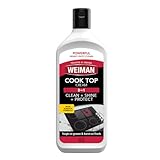
- Top Pick: Weiman Glass & Ceramic Cooktop, Stove Top & Oven Cleaner Kit | Electric Stove Top Cleaner, Gas & Induction Cooktop Cleaner, 1 Cooktop Scraper & 3 Scrubbing Pads for Burnt-On Food & Grease
- Best Value: Weiman Heavy Duty Glass & Ceramic Cooktop Cleaner, 10 Oz & 3 Scrubbing Pads | Electric Stove Top Cleaner, Gas & Induction Cooktop Cleaner for Burnt-On Food & Grease, Scratch & Streak-Free
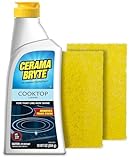
- Premium Choice: Cerama Bryte Combo Kit Pads & Removes Tough Stains Cooktop and Stove Top Cleaner for Glass – Ceramic Surfaces, 10 Ounces
The best glass cooktop cleaner is a dedicated ceramic and glass cooktop cream, such as those sold under the Weiman and Cerama Bryte names, paired with a non-scratch pad and a razor scraper for burnt-on spills, while a simple vinegar and baking soda mix covers light daily cleaning at the lowest cost. Which one you need depends on how stuck the mess is and what your cooktop maker allows.
As an Amazon Associate we earn from qualifying purchases at no extra cost to you.


Check your cooktop manual first
Glass-ceramic cooktops are easy to scratch and easy to stain permanently if burnt sugar is left to bake. Makers of cooktops and cleaners generally advise waiting until the surface is cool before applying cleaner, using a soft cloth or non-scratch pad, and avoiding abrasive powders, steel wool and harsh scouring pads. Your cooktop manual is the authority on which products it allows. If a product label and the manual disagree, follow the manual.
At a glance
| Option | Type | Best for | Limits |
|---|---|---|---|
| Weiman Ceramic and Glass Cooktop Cleaner | Cream, often sold with a scraper and pad | Everyday cleaning and stubborn residue | Needs buffing to avoid streaks; read ventilation and skin notes on the label |
| Cerama Bryte cooktop cleaner | Cream | Long-standing choice for glass-ceramic tops | Scrub and polish required for heavy build-up |
| Bar Keepers Friend (cooktop formulation) | Cleanser | Stains and discolouration, where the maker lists use on the surface | Use only the formulation the maker states is suited to glass; test first, avoid dry scrubbing |
| Vinegar and baking soda | DIY paste or spray | Light daily grime and grease | Less effective on burnt-on sugar |
| Single-edge razor scraper | Tool | Burnt-on food and melted sugar | Must be held at a shallow angle on a flat surface; follow manual |
Product formulas and kit contents change over time, so read the pack for what is included and what surfaces it covers. I could not confirm current maker pages for every product above, so treat the details here as general guidance and rely on the label.
How to choose
Cream cleaner versus spray
Cream cleaners contain fine polishing agents that lift residue and leave a shine. Sprays are faster for daily wipe-downs and light grease. Many people keep both, using spray after cooking and cream for weekly cleaning.
Scraper and pad
A scraper does the hard work on burnt-on spills. Kits that bundle a scraper and a non-scratch pad save buying separately. Keep the blade fresh and angled low, and do not use it on a hot surface.
Residue and streaks
Leftover cleaner can burn onto the surface the next time you cook and leave hazy marks. Wipe thoroughly with a damp cloth, then buff dry with a clean microfibre towel.
Fumes and skin contact
Some creams have a noticeable smell. Ventilate the kitchen, use gloves if the label advises it, and keep products away from children and pets.
Step-by-step cleaning routine
- Switch the cooktop off and let it cool fully. Check the indicator light if it has one.
- Remove loose crumbs with a dry cloth.
- Shake the cleaner and apply a small amount, or spray, across the surface.
- Rub in circles with a non-scratch pad or soft cloth, adding a little more cleaner on stubborn patches.
- For burnt-on spots, hold a razor scraper at a shallow angle and push gently, following your manual.
- Wipe away residue with a damp cloth and rinse the cloth often.
- Buff with a dry microfibre cloth until streak-free.
Pick X if you
| If you | Pick |
|---|---|
| Have tough burnt-on spills | A cooktop cream kit with a scraper |
| Want a quick daily wipe | A cooktop spray or vinegar solution |
| Have stains or white mineral marks | A cleaner the maker states is made for glass-ceramic, after a spot test |
| Are on a tight budget | Baking soda paste plus a damp cloth |
| Own a warranty-covered cooktop | Whatever the cooktop maker lists |
Budget tiers
At the budget level, baking soda, vinegar and a scraper handle most routine jobs. The mid-range is a branded cream, often with a scraper and pad included. At the premium tier, larger multi-surface cleaning kits or steam tools add convenience but are not necessary for most kitchens.
What to avoid
- Abrasive powders and steel wool. They scratch glass.
- Cleaning while hot. Fumes and streaking are likely, and you risk burns.
- Ammonia-based cleaners on hot surfaces. Many cooktop makers warn against this.
- Dragging pots. Lift cookware, since rough bases scratch glass.
- Letting sugar sit. Burnt sugar can pit the glass. Many makers advise removing sugary spills right away with a scraper, using protection, while the surface is still warm and following the manual for safe handling.
Preventing build-up
Wipe up spills as soon as the cooktop is cool, use pans with clean flat bases, and avoid pot sizes much smaller than the burner. A quick daily wipe takes less time than a weekly scrub. A thin coat of cleaner applied after a deep clean is described by some makers as helping future messes wipe off, though the label should confirm this.
Alternatives
- Melamine sponge. A gentle option for light marks, if the manual allows it.
- Distilled vinegar spray. For hard-water marks and light grease.
- Handheld steam cleaner. Loosens residue without chemicals, but not always suited to every cooktop.
- Professional appliance service. Worth a call for deep etching or cracked glass.
Safety
If the glass is cracked or chipped, stop using the cooktop and contact the manufacturer or a qualified technician, since liquid can reach electrical parts underneath. Never mix cleaning products, especially bleach with ammonia or vinegar, because the fumes can be dangerous. Store cleaners out of reach of children and pets.
Frequently Asked Questions
What is the safest way to clean a glass cooktop?
Wait until it is cool, then use a cleaner made for glass-ceramic with a soft cloth or non-scratch pad. Follow the cooktop manual and wipe away all residue.
Can I use vinegar on a glass cooktop?
Diluted vinegar is commonly used for light grease and mineral marks. Rinse it away, and follow your manual, as some makers prefer their own products.
How do I remove burnt-on food?
Loosen it with cleaner, then use a razor scraper at a shallow angle on a cool surface, unless the manual says otherwise. Finish with cleaner and a polish cloth.
Why does my cooktop have streaks after cleaning?
Leftover cleaner or a dirty cloth is the usual cause. Wipe with a clean damp cloth, then buff dry with microfibre.
Will a scraper scratch the glass?
A fresh blade at a low angle is widely used by makers’ guides and is generally low-risk, but a dull or tilted blade can scratch. Replace blades often and follow your manual.
Can I use these cleaners on induction cooktops?
Induction tops are typically glass-ceramic, so glass cooktop cleaners usually apply. Confirm on the product label and in your cooktop manual.





Write Your Review
No reviews yet. Be the first to share your experience!