
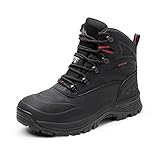
- Top Pick: R RUNFUN Mens Waterproof Tactical Work Boot with 400g Thinsulate(2301Brown) | PU Memory Foam Insole, Non-Slip Outsole, Steel Shank, Quick-Lace, Lightweight 1680D 8" Tactical Boots for Outdoor Activities
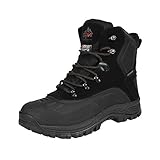
- Best Value: NORTIV 8 Men's Waterproof Hiking Winter Snow Boots,Black,10.5 | Insulated Construction Hunting Ski Work Boots TUNDRA
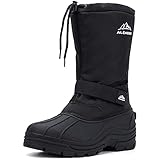
- Premium Choice: NORTIV 8 Men's Waterproof Hiking Winter Snow Boots,Black/1,12 | Insulated Construction Hunting Ski Work Boots TUNDRA
For most outdoor trades in cold, wet weather, an insulated, seam-sealed waterproof boot with a mid-weight 400 gram fill, such as the KEEN Utility Davenport or Carhartt Rugged Flex, is the safest starting point. Heavier 600 to 1000 gram boots suit standing-still work in deep cold, while lighter 200 gram boots suit people who walk all day. The right pick depends on how much you move, how cold it gets and whether your site requires a safety toe.
As an Amazon Associate we earn from qualifying purchases at no extra cost to you.

Quick Comparison of Current Insulated Waterproof Work Boots
| Boot | Best for | Insulation and waterproofing (as listed by makers or reviewers) | Main limit |
|---|---|---|---|
| Timberland PRO Boondock | All-round winter site work | Reviewers cite 400 to 600 gram insulation depending on version, waterproof construction, composite toe options | Versions differ, so read the exact model listing |
| Timberland PRO Direct Attach 6 inch | Moderate cold, steel toe rules | Seam-sealed waterproof leather, 200 gram insulation reported by one reviewer | Light insulation for very cold days |
| KEEN Utility Davenport 6 inch | Cold weather, wide-toe comfort | 400 gram insulation, KEEN.DRY membrane, composite toe, electrical hazard rating reported | Sizing runs roomy for some feet |
| Carhartt Rugged Flex 8 inch | Flexible, comfortable all-day wear | 400 gram Thinsulate, composite toe, flexible midsole | Less ankle lockdown than stiffer boots |
| Wolverine I-90 DuraShocks | Active work on concrete | 200 gram Thinsulate reported, cushioned midsole | Not for long stationary shifts in deep cold |
| Danner Caliper 400G 8 inch | Soft toe, oil and slip resistance | 400 gram insulation, Danner Dry waterproofing | No safety toe on this version |
| Carhartt PAC style 1000 gram | Subzero, standing work | 1000 gram LiteFire insulation reported | Warm to the point of overheating when walking |
| MUCK Arctic Pro | Wet, muddy, very cold work | Fully rubber waterproof boot with neoprene lining, cold-rated by the maker | Less ankle support, can feel hot indoors |
Insulation weights and features vary by model year and by the exact variant, so treat the table as a starting map and read the label on the boot you are buying.
How to Choose Insulation Weight
Insulation is measured in grams of synthetic fill per square meter, usually Thinsulate or a maker-branded equivalent. More grams means more trapped warmth, but also more heat and sweat when you move.
- Up to 200 grams: cool to cold weather, active jobs such as warehouse, framing or delivery.
- 400 grams: the common all-round winter fill for walking and light lifting in freezing weather.
- 600 to 800 grams: cold days with intermittent movement, such as utility work or trenching.
- 1000 grams and up: standing or slow work in deep cold, ice fishing style conditions or cold storage.
Sweat is the hidden enemy. A damp sock loses warmth fast, so a boot that is too warm for your activity can leave feet colder later when you stop. Moisture-wicking socks matter as much as the boot.
Waterproof Means Different Things
Makers use several approaches, and they behave differently over a long shift.
- Waterproof membrane inside leather: systems such as KEEN.DRY or Danner Dry sit between the outer and the lining. They breathe somewhat and are the most common choice.
- Seam-sealed leather: the construction itself is sealed. Timberland PRO describes its waterproof boots this way.
- Fully rubber boots: MUCK style boots are waterproof by material and suit standing water and mud, but breathe less.
No boot stays waterproof if water pours over the collar. For puddles deeper than the ankle, a taller boot or rubber design is the better fit.
Safety Toe and Hazard Ratings
If your employer requires safety footwear, look for the ASTM rating printed on the tongue or sole label, and match it to the hazard list for your job. Steel toes are often the lowest cost, composite toes are lighter and do not conduct cold as readily, and alloy toes sit in between. Cold-conducting steel is one reason some people in freezing conditions choose composite. Electrical hazard rated boots add a layer of protection against accidental contact, but they are not a substitute for safe electrical practice. Follow your site safety officer on what is required.
Fit and Sizing Tips
- Try boots on in the afternoon, when feet are slightly swollen, with the socks you plan to wear.
- Leave about a thumb width in front of the toes so blood flow and warmth are not restricted.
- Heel slip suggests the wrong size or last, and leads to blisters.
- Insulated boots run bulkier, and many buyers go up half a size only if the maker says the fit is narrow.
- Allow a break-in period, especially for stiff leather or Goodyear welt styles.
Pick X If You Need This
| Your situation | Pick | Why |
|---|---|---|
| Mixed winter site work, needs safety toe | Timberland PRO Boondock or KEEN Davenport | Mid-weight insulation with composite toe options |
| On your feet and walking all day | Carhartt Rugged Flex or Wolverine I-90 | Flexible and cushioned with lighter fill |
| Standing still in deep cold | 1000 gram style pac boot | Highest listed insulation |
| Mud, slush and standing water | MUCK Arctic Pro | Fully rubber waterproof construction |
| Soft toe, rugged terrain, oil exposure | Danner Caliper 400G | Slip and oil resistant outsole, 400 gram fill |
| Tight budget with steel toe | Rocky Blizzard Stalker steel toe 1200 gram | Heavy insulation at a lower tier, per reviewers |
Budget Tiers Without Prices
Budget boots, such as Rocky and entry MUCK or Wolverine lines, tend to give you the warmth and a safety toe but simpler midsoles and shorter lifespans. Mid-range boots from KEEN, Timberland PRO and Carhartt add better cushioning, stronger stitching and more consistent waterproofing. Premium boots from Danner and similar makers use resoleable construction, which can pay off if you wear them daily for years.
Alternatives Worth Considering
- Uninsulated waterproof boot plus warm socks: more flexible across seasons, and you can adjust warmth by sock thickness.
- Removable liners: pac boots with liners dry overnight and replace worn insulation.
- Overboots: a slip-on shell for brief outdoor stretches when you wear regular boots indoors.
Common Mistakes
- Buying the highest insulation number for a job that involves constant walking.
- Assuming every version of a named boot has the same insulation, when makers sell several.
- Ignoring the sock layer, which can undo the boot’s warmth.
- Skipping boot care. Cleaning, drying and conditioning leather helps waterproofing last.
- Wearing wet boots again the next day without drying them. Use a boot dryer or remove liners and air them.
Frequently Asked Questions
How many grams of insulation do I need?
Four hundred grams suits most people who walk or work moderately in freezing weather. Go lighter for high-activity jobs and heavier, 800 to 1000 grams, for standing still in deep cold. Your own circulation and sock choice also change the answer.
Are waterproof boots breathable?
Membrane boots breathe a little, but less than an untreated leather boot. Fully rubber boots breathe least. Moisture-wicking socks and swapping them midday help control sweat.
Composite toe or steel toe in the cold?
Both meet the same safety standards when rated for the job. Composite materials do not conduct cold as quickly as steel, so some workers find them more comfortable in freezing conditions. Check which rating your workplace requires.
How should I care for insulated waterproof boots?
Brush off dirt, let them dry away from direct heat, and condition leather according to the maker’s instructions. Direct heat can crack leather and damage adhesives. Replace boots when the sole or waterproofing clearly fails.
Do I size up for insulated boots?
Not automatically. Try them with your work socks and judge toe room and heel hold. If your toes are cramped, you lose warmth, so size by fit rather than by a rule.
Can I rely on a waterproof boot for icy surfaces?
Waterproofing and traction are separate. Look for an outsole described as slip resistant and add removable ice cleats if your site is regularly icy. Follow your site safety rules for footwear on ice.





Write Your Review
No reviews yet. Be the first to share your experience!