
- Top Pick: SUN NINJA Beach Tent Sun Shelter, Beach Shade Canopy with UPF50+ Protection | Beach Canopy Tent Sun Shade, Cabana Includes Carry Bag, Sand Shovel, Ground Pegs, 4 Poles & Anchor Bags, 10ftX10ft Turquoise
- Best Value: Shibumi Shade Quiet Canopy Version | Beach Tent | Sets Up in 3 Mins | 150 Sq. Ft. of Shade for up to 8 People | Includes Wind Assist | UPF 50+ Sun Protection
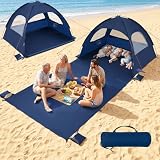
- Premium Choice: SUN NINJA Beach Tent Sun Shelter, Beach Shade Canopy with UPF50+ Protection | Beach Canopy Tent Sun Shade, Cabana Includes Carry Bag, Sand Shovel, Ground Pegs, 4 Poles & Anchor Bags, 7.5ftX7ft Turquoise
For a steady onshore breeze the Shibumi Shade is the most frequently named pick, while for gusty or changing wind a poled shelter such as the Kelty Cabana, Coleman Skyshade or Neso is the safer bet. Whatever you choose, anchor it properly, because reviewers warn that past roughly 20 mph nothing in their lists stays dependable.
As an Amazon Associate we earn from qualifying purchases at no extra cost to you.


Why wind changes the choice
A pop-up beach tent is basically a sail. Camplabx warns that pop-ups catch wind like sails no matter how good the fabric is. Poled shelters resist better through stiffer frames and more anchor points. A pole-free sail design does the opposite: it uses the wind to hold its shape. The right pick depends on whether your beach has steady wind, gusts or none.
At a glance
| Option | Type | Best for | Limits (per reviewers) |
|---|---|---|---|
| Shibumi Shade | Pole-free sail canopy; maker lists about 150 sq ft of shade | Steady wind; one-person setup, small pack size | Needs wind; reviewers say it is weak on still days; open shade, no privacy |
| Kelty Cabana Shelter | Poled shelter with wrapped fiberglass poles | Stability in wind; Wilderness Times calls it best overall | Bulkier to carry |
| Coleman Skyshade | Poled canopy | Budget-tier sturdy frame per Camplabx | Less refined fabric |
| Neso 7×7 | Canopy rated strong for wind by Camplabx | Larger groups | Heavier setup |
| Besuhot | Beach tent named for wind by MilSpec Mom | Windy days | Limited independent detail |
| SUN NINJA | Pop-up style shade | Calm to moderate days | Weak in strong gusts |
| Outdoor Master, WhiteFang pop-ups | Pop-up enclosed tents | Budget, calm days | Catch wind like sails |
How to choose
Match design to wind
A sail canopy suits steady wind from one direction and fails on a calm day. A poled shelter suits variable wind, since it holds shape without help. A pop-up is for calm days or sheltered spots.
Anchoring
Sandbags and stakes are the usual advice. Standard pegs hold poorly in loose sand, so look for wide sand stakes, long corkscrew anchors or sandbag pockets. Bury anchors at an angle away from the shelter and guy out any extra lines.
Orientation
Face the lowest or narrowest side into the wind so air flows around the shade instead of under it. Keep the opening on the leeward side.
Fabric and sun protection
Look for a stated UPF rating. UPF 50+ is a common claim. Breathable vents reduce lift and heat. Dark interiors cut glare.
Pack size and weight
A sail canopy packs small. Poled shelters weigh more but give more stability. Consider your carry from the car to the sand.
Pick this if you
| Situation | Pick |
|---|---|
| Beach has steady onshore wind | Shibumi Shade |
| Wind is gusty or changing | Kelty Cabana, Coleman Skyshade or Neso |
| Want a budget poled option | Coleman Skyshade |
| Want an enclosed tent for kids and privacy | A poled enclosed tent; avoid pop-ups when it is windy |
| Beach is mostly calm | SUN NINJA or a pop-up |
Alternatives
- Beach umbrella with sand anchor. Light, but can fly in strong gusts.
- Windbreak panels. Cut wind and sand around a smaller shade.
- Natural cover. Dunes or a seawall reduce wind.
- Go home. If winds are strong or storms are forecast, packing up is the safest choice.
Safety
Shelters can lift and injure people. Keep poles lowered or collapse the shelter when gusts rise, never leave one unattended, and follow the maker’s wind advice. Reapply sunscreen under shade, since sand and water reflect UV.
Common mistakes
- Using short pegs in loose sand.
- Pointing the open side into the wind.
- Choosing a sail canopy for a still day.
- Ignoring the weather forecast.
- Leaving the shelter unanchored while you swim.
Setting up a sail canopy and poled shelter
For a pole-free sail design, the usual method is to bury the corners in sand with the supplied pockets, raise the centre with the pole or lines as the maker instructs, and keep the fabric taut. Because it relies on air moving across it, aim the leading edge into the wind. On a day when the wind drops, the fabric slackens and gives much less shade, which is why reviewers call it a poor fit for calm beaches.
For a poled shelter, assemble the frame on flat sand with the back to the wind, slide the poles through sleeves before standing it up, and anchor the downwind corners first. Add guy lines to stronger points of the frame. A bag filled with sand and hung from the frame centre adds weight against lift. Do not rely on the frame to hold itself up.
Shade quality and heat
Look for a stated UPF rating from the maker and ventilation panels that let hot air out. A tent with a sealed back can become very warm, and sand reflects UV so some exposure still reaches you from below. Wear a hat and apply sunscreen regardless. Darker fabric exteriors absorb more heat, while lighter ones reflect it, though the interior colour affects glare.
Packing and carrying
- A pole-free sail packs very small, which suits people walking a distance from the car.
- Poled shelters often come in a long bag; check the length against your boot space.
- Bring spare anchors or sandbags, since the loops that come with budget shelters can tear in gusts.
- Rinse the fabric with fresh water after use and dry completely before storing to limit corrosion and mildew.
Group size
| Group | Suggested style |
|---|---|
| 1 to 2 adults | Small poled shelter or compact sail canopy |
| Family with young children | Poled enclosed tent or larger canopy with side walls |
| Large group | Large canopy such as a 7×7 style, with multiple anchors |
Reading the beach before you set up
Look at flags, spray and moving sand before unpacking. Pick a spot above the high-tide line, away from rocks and other people’s gear, and set up early in the day when wind is often lighter. If the breeze rises later, you can lower or collapse the shelter. Having a plan to pack down quickly is part of choosing a design for a windy beach.
Frequently Asked Questions
What is the best sun shade for wind?
The Shibumi Shade is named by several 2026 reviewers for steady wind. Poled shelters suit gusts.
Why does the Shibumi need wind?
It is a pole-free sail design that holds its shape in moving air. Reviewers say it does poorly on still days.
Do pop-up beach tents handle wind?
Not well. Camplabx says they catch wind like sails, so use them on calm days.
How should I anchor a beach shade?
Use sandbags and stakes made for sand, buried at an angle, with guy lines secured.
What wind speed is too much?
Camplabx says nothing on its list is dependable past 20 mph. Pack up when gusts are strong.





Write Your Review
No reviews yet. Be the first to share your experience!