
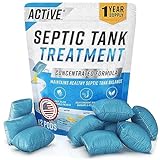
- Top Pick: Septic Tank System Treatment Pods – 12 Dissolving Packets | Enzyme-Producing Live Bacteria Solution | 1 Year Supply Professional Eco-Friendly Maintenance | Prevent Clogs, Odor & Backups | Made in USA
- Best Value: Septic Tank Treatment Pods – 1 Year Supply (12 Count) – Made in USA | Easy Flush Self-Dissolving Bacteria Septic Treatment Packets – Helps Reduce Risk of Expensive Sewage Backups
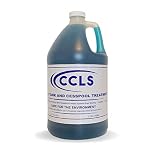
- Premium Choice: ccls Septic Tank and Cesspool Treatment Additive/Organic Enzyme Producing Bacteria/Non-toxic/Non-Hazardous/Non-Corrosive (1-Gallon)
The best homemade septic tank treatment is not a recipe at all: regular pumping, water-conscious habits and keeping harmful items out of the drain do far more than baking soda, yeast or any other kitchen additive. The US Environmental Protection Agency does not recommend additives for household septic systems, and the sources reviewed here report no scientific evidence that homemade versions help.
As an Amazon Associate we earn from qualifying purchases at no extra cost to you.


What the Evidence Says About DIY Treatments
| Home remedy | Claim | What sources report | Verdict |
|---|---|---|---|
| Baking soda | Balances pH and freshens the tank | Small amounts are generally harmless, but effect on tank pH is negligible; research has not shown the class of additive to perform | Not needed |
| Yeast | Feeds bacteria | Tank digestion is bacterial and anaerobic, different from yeast fermentation; some sources say it does nothing, one says it may agitate solids | No proven benefit |
| Raw meat, rotting scraps | Adds bacteria | Bacteria arrive naturally through household wastewater; food scraps add solids | Avoid |
| Bleach, drain cleaners, acid products | Cleans the tank | Can kill the bacteria the tank relies on | Avoid |
| Commercial additives | Boost or restore bacteria | EPA and university sources cited in roundups find no proven benefit | Not recommended |
How a Septic Tank Actually Works
Wastewater enters the tank and separates into three layers: scum on top, liquid in the middle, and sludge at the bottom. Naturally occurring bacteria break down part of the solids, and the liquid flows out to a drain field. The bacteria are supplied by every flush and shower, which is why a healthy household tank generally does not need a starter or booster. What the tank cannot do is digest everything, so sludge and scum build up and must be pumped out by a licensed professional.
Baking Soda: Harmless in Small Amounts, Not a Treatment
Baking soda appears in countless home-care lists. Sources report that small quantities are unlikely to damage the system, but also that they do little for it. Large repeated doses add sodium to the system and are not advised by the sources. If you use it, treat it as a household cleaner in normal amounts rather than a septic treatment.
Yeast: Popular Myth
The yeast recipe, which usually involves flushing a packet of yeast with sugar, is widely repeated. Reviewers of the idea point out that septic tanks rely on anaerobic bacteria, not yeast fermentation. Opinions differ about harm: several sources say it will neither help nor hurt, one says it can cause frothing that disturbs settling, and another says it may compete with useful bacteria. With no clear benefit and some risk, it is hard to justify.
What Actually Helps
Pump on schedule
Most guidance says to have a tank inspected and pumped every few years, with the interval depending on tank size, household size and water use. A licensed septic professional or your local health department can recommend a schedule for your system.
Spread out water use
Large water bursts, such as several laundry loads in one day, can overload the tank and push solids to the drain field. Spread loads across the week, fix leaking toilets, and use water-efficient fixtures.
Flush only toilet paper and waste
Wipes labelled as flushable, hygiene products, grease, coffee grounds and cat litter do not break down properly and contribute to clogs and sludge buildup.
Go easy on chemicals
Occasional normal use of household cleaners is typically tolerated, but heavy use of bleach, antibacterial products and drain cleaners can harm the bacterial population.
Protect the drain field
Do not drive or park on it, keep deep-rooted trees away, and direct roof and surface water elsewhere.
Use an effluent filter if fitted
Some tanks have an outlet filter that should be cleaned by a professional at pumping time, as the maker or installer specifies.
Pick X If You Want Y
| If your goal is | Do this | Skip this |
|---|---|---|
| Prevent backups | Pump on a schedule and avoid flushing wipes | Yeast or additive packets |
| Reduce odours | Have the tank and vents inspected; check for leaks | Pouring bleach into the tank |
| Protect the drain field | Spread out water use and fix leaks | Heavy chemical cleaners |
| Restore a sluggish system | Call a licensed septic professional | Repeated DIY dosing |
Signs You Need Professional Help
- Slow drains in several fixtures at once.
- Gurgling pipes or sewage odours inside or near the tank.
- Wet, spongy or unusually green patches over the drain field.
- Sewage backing up into a tub or toilet.
These point to a problem that no additive will fix. Contact a licensed septic contractor or your local health authority. Do not open tank lids yourself: tanks release gases that can be dangerous, and lids can be heavy or unstable.
Common Mistakes
- Using additives instead of pumping. Sources say no additive replaces periodic pumping.
- Flushing raw meat or food scraps. This adds solids rather than helpful bacteria.
- Ignoring household changes. More occupants, a new garbage disposal or a larger water heater all change the load, and may change how often pumping is needed.
- Waiting for symptoms. By the time a backup appears, damage to the drain field may already be done.
A Note on Commercial Products
Because the question is about homemade treatments, it is worth noting that the same evidence applies to store-bought products. The EPA, according to sources quoted in roundups, says additives are not recommended for domestic wastewater treatment and can be ineffective or even harmful. Some states restrict specific ingredients. If a professional recommends a product for a particular problem, follow their advice and the label.
Frequently Asked Questions
Does baking soda help a septic tank?
Not in any meaningful way. Small amounts appear harmless, but sources report negligible effect on the tank, and it does not replace pumping.
Is it safe to flush yeast down the toilet for the septic tank?
Sources disagree on harm, but none show a benefit. The tank relies on bacteria already present in household waste, so yeast is unnecessary.
How often should a septic tank be pumped?
It depends on tank size, number of occupants and water use. Guidance commonly cited is every few years; a licensed professional can set the interval for your system.
Can I use bleach and cleaning products normally?
Ordinary household use in moderate amounts is typically tolerated, but heavy or repeated use of bleach and drain cleaners can reduce the bacteria that treat waste. Check your local rules and ask your septic professional.
Are septic additives from the store worth it?
The sources reviewed say there is no proven benefit, and the EPA does not recommend them. Pumping and careful use remain the proven approach.
What should I do if my toilets are backing up?
Reduce water use and call a licensed septic contractor promptly. Do not enter or open the tank, and keep children and pets away from wet areas over the drain field.





Write Your Review
No reviews yet. Be the first to share your experience!