
For a sandwich loaf that holds together, Canyon Bakehouse is the name reviewers cite most often; for shelf-stable convenience and toast, Schär usually leads; for the widest supermarket availability, Udi’s is the fallback, though opinions on it are mixed. The right loaf depends on whether you want sandwiches, toast, or a seeded slice with more fibre, and on how strict your gluten avoidance has to be.
- At a Glance: Store-Bought Gluten-Free Loaves
- How to Choose a Gluten-Free Loaf
- Canyon Bakehouse: The Sandwich Benchmark
- Schär: Shelf-Stable and Good Toasted
- Udi’s: Easy to Find, Divisive to Eat
- Other Loaves Worth Knowing
- Pick X If You Want Y
- Common Mistakes When Buying and Serving
- Budget, Mid-Range and Premium Thinking
- Alternatives to Sliced Loaves
- Frequently Asked Questions
As an Amazon Associate we earn from qualifying purchases at no extra cost to you.
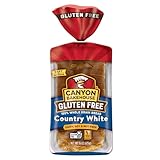


At a Glance: Store-Bought Gluten-Free Loaves
| Brand and loaf | Best for | What reviewers and makers say | Limits |
|---|---|---|---|
| Canyon Bakehouse (Heritage Style, Mountain White, 7-Grain) | Sandwiches | Frequently ranked first; large slices; baked in a dedicated gluten-free facility with certification, per roundups | Sold frozen in many stores; texture dries if left out |
| Schär Artisan Baker White and Deli Style Sourdough | Toast, shelf-stable pantry loaf | Reviewers call it the closest to ordinary bread among shelf-stable options | Slices run smaller than Canyon’s |
| Udi’s Soft White | Easy supermarket access | Widely stocked and budget-friendly; some reviewers find it doughy | Ranked low by several outlets |
| Carbonaut White | Dense, low-crumble slice | Healthline’s favourite among nine brands | Denser, different mouthfeel from airy bread |
| BFree White Sourdough | Soft sandwich bread | Picked as best for sandwiches by Healthline | Regional availability varies |
| Little Northern Bakehouse Wide Slice | Bigger slices | Named for people who find gluten-free slices too small | Usually found in the freezer or specialty aisle |
How to Choose a Gluten-Free Loaf
Gluten-free bread varies far more than wheat bread, so a few label checks save a lot of disappointment.
- Certification and facility. If you have coeliac disease, look for a recognised gluten-free certification mark and a dedicated gluten-free facility statement. Several roundups highlight Canyon Bakehouse for exactly this reason. A “gluten-free” claim on the front still needs to match the allergen statement on the back.
- Slice size. Many loaves bake into small slices. If you build real sandwiches, wide or large-slice loaves are less frustrating.
- Frozen or shelf-stable. Frozen loaves usually taste fresher but need freezer space. Shelf-stable loaves, such as Schär’s, suit pantry storage and travel.
- Other allergens. Some loaves are also free of dairy, soy, corn or nuts; others contain egg or milk. Read the panel if you manage more than one allergy.
- Fibre and grains. Gluten-free white loaves are often made from starches and are lower in fibre. Seeded or multigrain versions, like Canyon’s 7-Grain, add more texture and nutrition.
Canyon Bakehouse: The Sandwich Benchmark
Across 2026 roundups, Canyon Bakehouse shows up at or near the top more than any other brand. Reviewers describe the Heritage Style loaf as the closest to conventional sandwich bread in taste and texture, and one guide picks Mountain White as best overall, citing a gluten-free bakery, a gluten level reported as under 10 parts per million, and no corn, soy, dairy or nuts. The Takeout also liked the 7-Grain Sandwich Bread. The drawbacks are practical: it lives in the freezer section, and like most gluten-free bread it is at its best fresh or toasted rather than cold and thawed for days.
Schär: Shelf-Stable and Good Toasted
Schär Artisan Baker White is a top pick in one roundup specifically because it needs no freezer. The brand’s Deli Style Sourdough is described by one reviewer as the nearest to real sourdough flavour. Another comparison calls Schär the better choice for toast while giving Canyon a narrow edge for sandwich sturdiness. If you travel, share a kitchen, or simply do not want to defrost bread, Schär is the logical starting point.
Udi’s: Easy to Find, Divisive to Eat
Udi’s is stocked in mainstream supermarkets, which is its main selling point, and one review calls it a reliable budget option. Opinion is split on quality: The Takeout ranked Udi’s Soft White at the bottom of its list, and Healthline’s panel found it doughy and spongy. Toasting generally improves gluten-free bread of this style, and it may be worth trying a single loaf rather than buying several.
Other Loaves Worth Knowing
Carbonaut
Healthline named Carbonaut White its favourite of nine brands. It is a denser, sturdier slice, which suits people who dislike crumbly bread, though it will not feel like fluffy sandwich bread.
BFree
Healthline picked BFree’s White Sourdough as best for sandwiches. It is generally soft and flexible, making it a candidate for lunchbox use, where brittle slices cause problems.
Little Northern Bakehouse
BakingSubs points to the White Wide Slice for readers frustrated by tiny slices. It is a sensible pick for sandwiches and French-toast style recipes where surface area matters.
Pick X If You Want Y
| If you want | Look at | Why |
|---|---|---|
| The best everyday sandwich bread | Canyon Bakehouse Heritage Style or Mountain White | Most often ranked first for texture and slice size |
| A loaf that keeps in the pantry | Schär Artisan Baker White | Shelf-stable, no freezer needed |
| Sourdough flavour | Schär Deli Style Sourdough or BFree Sourdough | Reviewers single both out for flavour |
| Sturdy slices that do not crumble | Carbonaut White | Dense structure, Healthline’s favourite |
| Large slices | Little Northern Bakehouse Wide Slice | Designed with larger slices |
| Whatever your local store carries | Udi’s | Easiest to find, but expect mixed texture reviews |
Common Mistakes When Buying and Serving
- Judging a loaf untoasted. Many gluten-free breads improve a lot when toasted; one reviewer suggests toasting straight from frozen, since thawing first can make slices gummy.
- Assuming “wheat-free” means gluten-free. Wheat-free products can still contain barley or rye. Only a gluten-free claim and certification address that.
- Cross-contact at home. A shared toaster or butter tub can undo a careful purchase. Use a dedicated toaster or toaster bags if you must avoid gluten strictly.
- Buying many loaves at once. Texture preferences vary widely; try one or two first.
Budget, Mid-Range and Premium Thinking
Gluten-free bread costs more than wheat bread in every tier. At the budget end, widely stocked loaves such as Udi’s are the easiest to find. In the mid-range, Schär and BFree balance quality with availability. Premium picks, including Canyon Bakehouse and Little Northern Bakehouse, tend to sit in the freezer aisle and are favoured by reviewers who prioritise texture and dedicated-facility production.
Alternatives to Sliced Loaves
- Gluten-free wraps and flatbreads are often more forgiving than sliced bread for lunch.
- Bagels and rolls from the same brands are commonly cited by reviewers as better than their sliced loaves for some people.
- Baking your own with a gluten-free flour mix and a bread machine gives you control over ingredients, though it takes effort.
Frequently Asked Questions
Which store-bought gluten-free bread tastes most like regular bread?
Canyon Bakehouse Heritage Style is the loaf reviewers most often describe as closest to conventional bread. Schär’s sourdough is frequently named for flavour. Taste is personal, so toasted slices from two brands are a fair way to compare.
Is gluten-free bread healthier than regular bread?
Not automatically. Many gluten-free white loaves use refined starches and contain less fibre than wholegrain wheat bread. Seeded or multigrain versions can narrow the gap, and the nutrition panel is the best guide.
Why is gluten-free bread usually sold frozen?
Without gluten, loaves dry out and stale quickly, and many brands skip preservatives. Freezing keeps them fresh until you need them. Shelf-stable options such as Schär exist for those who prefer pantry storage.
Should gluten-free bread be toasted?
Often yes. Reviewers commonly report that toasting improves texture, and one suggests toasting directly from frozen so the slice does not turn gummy while thawing.
How do I know a loaf is safe for coeliac disease?
Look for a recognised gluten-free certification and a dedicated facility statement, and read the allergen line. If you have coeliac disease, ask your doctor or dietitian about what level of assurance you need.
How long does gluten-free bread keep once opened?
Makers generally advise using it within a few days at room temperature and freezing the rest. Slicing and freezing portions, then toasting as needed, is the most common approach.





Write Your Review
No reviews yet. Be the first to share your experience!