
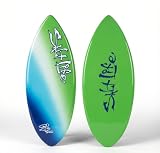
- Top Pick: SALT LIFE Fiberglass Compression Skimboard, 38, 42, 44 & 53 in | Lightweight fiberglass board for kids, teens and adults; designed for flatland skimming and shorebreak.
- Best Value: BPS 'Flame' Skimboard (40 Inch, Black/Blue) Set | Built-in EVA Grip Pad, High Gloss Clear Coating, Optional Bag, Nose Rocker, 7 Layer Wood
- Premium Choice: iBOARD 41” Skipper Skimboard with Colored EVA Grip Pad | High Gloss Clear Coat Wooden Skim Boards for Beginners, Teenagers and Adults Beach Skimboard 3 Color Traction Pad to Choose
The best skimboard is the one matched to your weight, your beach and your skill: a wood board suits beginners and kids on a budget, a fibreglass or carbon board suits intermediate and advanced riders on wet sand or wave riding, and a foam or EPS-core board suits those who want something light and forgiving for shore-break. This is a buying guide for gamers who want an outdoor break that needs no wi-fi, so it sticks to how to choose rather than to a ranked list of unverified claims.
As an Amazon Associate we earn from qualifying purchases at no extra cost to you.


How skimboarding works, briefly
You run along the shore, drop the board onto a thin film of water, jump on and glide, either riding out to a wave or skimming across the sand. The board’s size, outline, thickness, rocker and material change how fast it glides and how easy it is to balance.
Board types
- Wood boards. Layered plywood or wood construction, usually with a thin profile. They are heavier and lower in cost, a natural start.
- Fibreglass boards. A foam core wrapped in fibreglass. Lighter and more responsive with better wave-riding performance.
- Carbon boards. A stiffer, lighter finish favoured by advanced riders, with a higher cost class.
- Foam or EPS soft boards. Soft top and light weight for kids and shore-break fun, with less performance.
At a glance
| Type | Typical makers | Best for | Limits |
|---|---|---|---|
| Wood | Zap, Wave Zone, Victoria (entry models) | Beginners, flat sand skimming | Heavy, can warp if left in sun or water |
| Fibreglass over foam | Zap, Exile, Victoria | Intermediate riders, wave riding | Costlier, can ding if dropped |
| Carbon | Zap, Exile and other performance brands | Advanced riders chasing high performance | Premium cost class |
| Foam or EPS soft top | Wave Zone and similar | Young children, soft-landing practice | Short life under hard use; low performance |
Zap, which describes itself as making boards in Venice, Florida since 1983 and offers kids, adult, high-performance and custom lines, also publishes a board size chart and rider guide on its site. Use a maker’s own chart for the final size.
Size and rider weight
The main fit factor is rider weight. Makers publish charts that pair body weight with board length. Heavier riders need longer and often thicker boards for float, while smaller riders handle shorter boards that turn faster. A board that is too small sinks and stops; one that is too large is heavy to drop and tiring to carry.
Height matters less than weight, though taller riders may choose a slightly longer board for balance. Where a rider falls between two sizes, many guides suggest the larger one for a beginner and the smaller one for an experienced rider seeking agility.
Shape, rocker and thickness
- Outline. A rounder nose and wider tail give float and stability; a narrower outline is quicker to turn.
- Rocker. More rocker helps with steep waves and prevents nose-dive; flatter boards glide faster on flat sand.
- Thickness. Thicker boards float better for heavier riders; thin boards cut through water for wave riding.
- Tail shape. Square, round or swallow tails change how the board holds in waves; makers describe each model’s intent.
Beginner or flat-water pick
For first-timers, choose a wood or entry-level board in the size the maker lists for your weight. A simple shape forgives mistakes, and low cost matters because early runs involve a lot of falling. Add a deck grip or wax so your feet stay put.
Intermediate and wave-riding pick
If you already skim and want to ride shore-break waves, step up to a fibreglass board. It is lighter, more responsive and rewards technique. Look for a model with a shape suited to the waves at your beach, from small mushy break to steeper dumps.
Advanced pick
Carbon or high-spec fibreglass with sharper rails suits skilled riders who want maximum speed and control. For this tier, buying from a specialist maker and consulting their sizing advice is worthwhile.
Kids’ boards
Children benefit from smaller, lighter boards. Foam boards are forgiving but wear out fast; entry wood boards are tougher. Always supervise children near water.
Pick X if you
| Situation | Pick |
|---|---|
| Absolute beginner on flat sand | Wood board in the maker’s size for your weight |
| Child under supervision | Small foam or kids’ board |
| Rider moving to waves | Fibreglass over foam |
| Experienced and weight-conscious | Carbon or performance fibreglass |
| Travelling by car or plane | Shorter, lighter board with a bag |
Common mistakes
- Picking by looks. Graphics do not change the glide.
- Ignoring weight charts. A wrong size is the commonest reason for a poor first experience.
- Leaving wood boards in the sun. Heat and moisture can warp them.
- No grip. Slippery decks cause falls.
- Skimming on unsafe beaches. Avoid rocks, crowds and strong rip currents.
Care
Rinse with fresh water, dry out of direct sun, store flat or on a rack and fix dings promptly with a repair kit suited to the board’s material. Check for cracked rails before each session.
Safety
Skimboarding involves running and falling on hard wet sand. Warm up, consider a helmet for wave riding, check beach flags and local rules, and avoid use alone in rough water. Seek medical advice for any head or neck injury.
Alternatives
- Bodyboards. Easier entry to the surf with a soft top.
- Soft-top surfboards. Better when you want to paddle out.
- Hand planes. Compact and cheap for body surfing practice.
Frequently Asked Questions
What size skimboard do I need?
Use the maker’s weight chart. Heavier riders need larger, thicker boards and lighter riders can use smaller boards. Falling between sizes, beginners usually take the larger.
Wood or fibreglass for a beginner?
Wood is sturdy and lower in cost and fine to learn on. Fibreglass is lighter and responsive, so it is an upgrade once you are riding waves.
Do I need wax or deck grip?
Many riders use wax or traction pads to keep their feet from slipping. Some boards come with grip; follow the maker’s advice.
Can I skimboard in small waves?
Yes. Shore-break of modest size suits learning. Larger or dumping waves are riskier and best left to experienced riders.
How long does a skimboard last?
That depends on materials and care. Wood can warp if mistreated, fibreglass can ding, and foam wears fastest. Rinse, dry and store properly.
Is skimboarding safe for kids?
It can be with supervision, a suitable soft or small board and appropriate beach conditions. Check local beach rules and avoid strong currents.



Write Your Review
No reviews yet. Be the first to share your experience!