
The best enduro tire depends on terrain first: soft and intermediate-terrain knobbies such as the Michelin Enduro and Pirelli Scorpion Mid families suit tight woods and loam, harder-compound enduro tires such as the Dunlop Geomax Enduro line and Maxxis Maxxenduro suit rocky or abrasive trails, and dual-purpose tires such as the Pirelli Scorpion Rally STR or Shinko 216 suit riders who spend part of every ride on pavement. This guide explains how to match a tire to your terrain, bike, and budget tier, using only what makers publish and general industry practice.
As an Amazon Associate we earn from qualifying purchases at no extra cost to you.

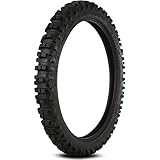
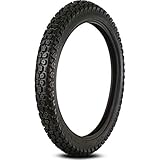
Quick comparison of enduro tire families
| Tire family | Best for | Terrain focus | Limits |
|---|---|---|---|
| Michelin Enduro (Medium / Hard) | Competition and serious trail riders | Mixed hardpack to rocky, depending on version | Short life on pavement; premium tier |
| Dunlop Geomax Enduro | Riders wanting a hard-terrain, long-wearing choice | Rocks, roots, hardpack | Less bite in deep mud than soft-terrain designs |
| Pirelli Scorpion Mid Soft / Mid Hard | Woods, loam, intermediate terrain | Soft to intermediate | Pick the compound that matches your ground; wrong choice wears fast |
| Maxxis Maxxenduro | Trail riders who want a mid-range option | Mixed trail | Fewer competition-level compound choices |
| Metzeler Karoo / Pirelli Scorpion Rally STR | Adventure and dual-sport riders | Gravel, fire road, plus pavement | Not a pure technical-terrain tire |
| Shinko 216 / Kenda dual-sport lines | Budget-conscious dual-sport use | Light off-road, mostly road | Limited traction in mud and sharp rock |
Model lineups change by season, so confirm exact sizes and versions on the maker’s own tire page for your bike before buying.
Start with terrain, not the brand
Enduro tires are usually grouped by terrain hardness. Soft-terrain tires use tall, widely spaced knobs that dig into mud and loose dirt. Intermediate tires balance dig and wear. Hard-terrain tires use shorter, more closely spaced knobs on tougher casings that resist cuts on rock and compacted ground. Riding a soft-terrain tire on hardpack tends to wear the knobs quickly and can feel vague, while a hard-terrain tire in deep mud may fail to clear itself and slide.
Many makers label their enduro lines in terms such as soft, medium, hard or mid soft and mid hard. Read that naming as a guide to the ground the tire was designed for, not a quality ranking.
Size and fitment
Most full-size enduro bikes use a 21-inch front and 18-inch rear wheel, while many trail and play bikes and some lightweight machines use different sizes. Your owner’s manual lists the original fitment, and the sidewall of your current tire shows the size code. Rear widths vary between models, so the load and speed rating and the width should be matched to the bike rather than chosen by looks. Fit a front tire designed as a front and a rear designed as a rear, because directional knob patterns are engineered for each position.
- Match rim diameter exactly; a mismatched tire cannot be mounted safely.
- Stay within the width range the bike maker allows to avoid chain or swingarm contact.
- Use the rotation arrow on the sidewall to mount the tire in the intended direction.
Compound, casing, and tubes
Softer rubber grips better on slick roots and rocks but wears faster. Harder rubber lasts longer but can slide on wet surfaces. Casing stiffness changes how the tire deforms over obstacles; competition casings are often stiffer and handle lower pressures better, while trail casings are usually more forgiving and often cheaper. Many riders pair enduro tires with heavy-duty tubes, and some use tube-protection systems or mousse inserts to reduce flats. Those systems have their own installation and pressure requirements, so follow the insert maker’s instructions or consult a motorcycle shop.
Tire pressure matters too. Low pressure raises grip and pinch-flat risk; high pressure raises rim and tube risk on hard ground. Use the maker’s range as a starting point and adjust conservatively.
Budget tiers
| Tier | What to expect | Typical candidates |
|---|---|---|
| Budget | Simple casings, dual-sport leaning, longer road life, less technical-terrain grip | Shinko 216-style, Kenda dual-sport lines |
| Mid-range | Dedicated off-road knob patterns, solid trail durability | Maxxis Maxxenduro, Dunlop Geomax Enduro, Pirelli Scorpion Mid Hard |
| Premium | Competition-oriented compounds and casings, tighter terrain specificity | Michelin Enduro, Pirelli Scorpion Mid Soft, specialist race compounds |
Pick X if…
| If you… | Choose |
|---|---|
| Ride rocky, abrasive trails and want longevity | A hard-terrain enduro tire such as the Dunlop Geomax Enduro or a Michelin hard version |
| Ride tight, loamy woods | A soft or mid-soft tire such as a Pirelli Scorpion Mid Soft |
| Split time between road and trail | A dual-sport tire such as a Pirelli Scorpion Rally STR or Metzeler Karoo option |
| Race or ride aggressively | Premium competition casings and compounds |
| Need a low-cost replacement | A budget dual-sport tire, accepting lower technical grip |
Common mistakes
- Buying for brand reputation instead of terrain.
- Ignoring the manual’s size and load requirements.
- Running street-level pressure off-road, or very low pressure on hard ground.
- Mounting a tire backwards or without seating the bead properly.
- Using a worn tube in a new tire; tubes age and can fail.
- Expecting a knobby to last like a road tire when it is used on pavement.
Alternatives to consider
If your riding leans toward adventure travel, an adventure tire with a more road-friendly profile may serve better than a pure enduro tire. If you ride sand or mud only, a specialist soft-terrain tire may outperform an all-round design. If you are unsure, a local motorcycle shop that knows your trails can narrow the choice within a few minutes, and many tire makers publish terrain charts that help compare their own lines.
Installation and safety
Tire changing involves removing the wheel, breaking the bead, and re-seating it at controlled pressure. Poorly seated beads can burst or leak. Use proper tire irons and rim protection, follow the bike manual’s torque values for axle and spoke checks, and have a shop do it if you lack the tools or experience. After mounting, ride gently while the tire scrubs in, since new tires carry a mold-release layer that can reduce grip initially.
Frequently Asked Questions
Can I use an enduro tire on the road?
You can ride short road sections on many enduro tires, but the knobs wear quickly on pavement and grip in corners is limited. Some enduro tires are not intended for road use, so read the maker’s description. If road miles are a large share of your riding, a dual-sport tire is a better match.
How often should enduro tires be replaced?
There is no fixed mileage because terrain, compound, bike weight, and riding style change wear dramatically. Replace a tire when knobs are rounded, torn, or heavily worn, or when the casing shows cuts or cracks. Age matters too, since rubber hardens over time even without use.
Do I need a heavy-duty tube?
Most enduro tires use tubes, and heavy-duty tubes are a common choice because they resist pinch flats better than standard ones. They are not puncture proof, and they add weight. Many riders also carry spare tubes and tools on remote rides.
What does soft, medium, and hard terrain mean?
These labels describe the ground a tire was designed for. Soft terrain means mud and loose dirt, medium means mixed or hardpack-loam, and hard means rock and compacted surfaces. Choosing the right class matters more than picking one brand over another.
Should front and rear tires match in brand?
They do not have to match, but many makers design front and rear tires to work as a pair. Mixing brands is common, so long as the sizes, load ratings, and intended terrain are suitable for the bike. When in doubt, ask a shop or the tire maker.
What pressure should I run?
Makers and bike manuals give a range, and many riders drop pressure slightly for traction on slick ground. Very low pressure raises the risk of pinch flats and rim damage, so adjust in small steps and use a reliable gauge. Competition riders often use specialist inserts, which come with their own guidance.



Write Your Review
No reviews yet. Be the first to share your experience!